Himyarite Kingdom
An ancient Yemeni kingdom that arose in Zafar Yarim and was able to eliminate the four ancient Yemeni kingdoms and unite them and their tribes into one kingdom that ruled in the period between (110 BC - 525 - 527 AD). It was the last Yemeni kingdom before Islam and they had a close relationship with the Kingdom of Kinda through an alliance between them dating back to the second century BC. The Himyarites were originally Sabaean tribes who embraced the Jewish religion. They were spread in the areas of Rima - Taiz - Ibb - Dhamar and parts of Sana'a and Marib, and their capital was Zafar in the Ibb Governorate.
One of the most significant legacies of the Himyarites throughout Yemeni history is their abandonment of paganism in ancient Yemen and their embrace of monotheism, worshipping the one God, Al-Rahman. The Himyarites were initially pagan, then converted to Judaism, and finally embraced Islam in the 7th century CE. Their economy relied on agriculture and trade in frankincense, myrrh, and gum arabic. Their ancient writings are replete with accounts of trade, and they constructed several small dams in addition to restoring the ancient Marib Dam. The kingdom faced several challenges, perhaps the most significant of which occurred in the early 6th century CE with the rise of independent tribal leaders and their subsequent wars against one another, which greatly weakened the Himyarites.
Muslim historians described the Himyarite kings as ”Tubba”“ and claimed that ”Tubba“” was their title. The truth is that not a single inscription has been discovered in which the Himyarites refer to their kings by this term. Rather, they used the word “king,” and the closest word to it in ancient texts is “Dhi Bata”.” It seems that some of the chroniclers were familiar with it and changed it to ”Tubba“.” In any case, “Dhi Bata’” in the Musnad script texts refers to a part of the Hamdan tribe, not the Himyarites. All Muslim historians confined the kingship in ancient Yemen to the Himyarites, and the reason for this is that Himyar was the last “pre-Islamic” Yemeni kingdom.
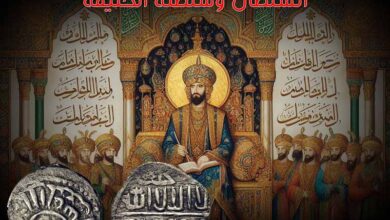
The most famous Himyarite kings were: King Shammar Yuhar'ish, King As'ad al-Kamil (or Abu Karib As'ad), King Sharhabil Ya'fur, King Dhamar Ali Yahbur II, King 'Amir Dhu Riyash, and King Dhu Nuwas (or Yusuf ibn Sharahbil). The Himyarite kings had their own coinage, inscribed with the ancient Musnad script. Examples of these coins are provided below.
An ancient Yemeni kingdom that arose in Dhofar Yerim and was able to eliminate the four ancient kingdoms of Yemen and annexed them and their tribes in one kingdom that ruled between (110 BC – 525 – 527 AD) is the last Yemeni kingdom before Islam and they had a close relationship with the Kinda Kingdom through an alliance between them Dates back to the second century BCThe Himyarites were originally Sabaean tribes who converted to Judaism, which were spread in the regions of Raymah - Taiz - Ibb - Dhamar and parts of Sana'a and Marib, and their capital was Dhofar in Ibb Governorate. One of the most prominent traces of the Himyarites throughout the history of Yemen was their abandonment of paganism in ancient Yemen and the worship of one God, the Most Gracious, the Himyarites were pagans at their beginning, then converted to Judaism and converted to Islam in the seventh century AD. The economy of the Himyarites depended on agriculture and trade in incense, frankincense, and gum, and their Ancient writings were filled with trade and erected a number of small dams in addition to restoring the ancient Ma'rib Dam. The Kingdom went through several challenges, perhaps the most prominent of which was in the beginning of the sixth century AD of the independence of the tribal leaders and their entering into wars against each other that weakened the Himyarites greatly. Muslim historians described the Himyarite kings as a “Tubba” was their surname and the fact was that not a single writing was found in which the Himyarites referred to their kings with this word but rather they used the word “king” and the closest word to it in ancient texts is the ancient texts. The word “Bataa” and it seems that some of the newsmen were familiar with it, and the letter of it was to “Tubba” and in any case, “who has follwers” in the texts of the Musnad line refers to a part of the Hamadan tribe, not the Himyarites. All Muslim historians have restricted the king of ancient Yemen to the Himyarites. Jahilia.The most famous Himyarite kings:King Shammar Jehrahash, King Asaad al-Kamil or Abu Karab Asaad, King Sharhabil Ya`far, King Dhamar Ali Yehbar the second, King Amer Ziar feathers and King Dhu Nawas or Yusef bin Sharahbeel.The Himyarite kings had their own minting on which the old Musnad script was written and these are examples of them