Minted in Cairo: Documenting the history of Cairo through coins
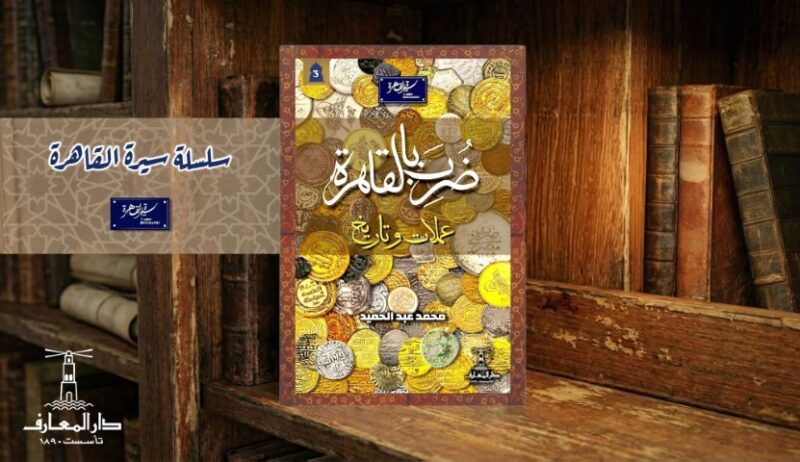
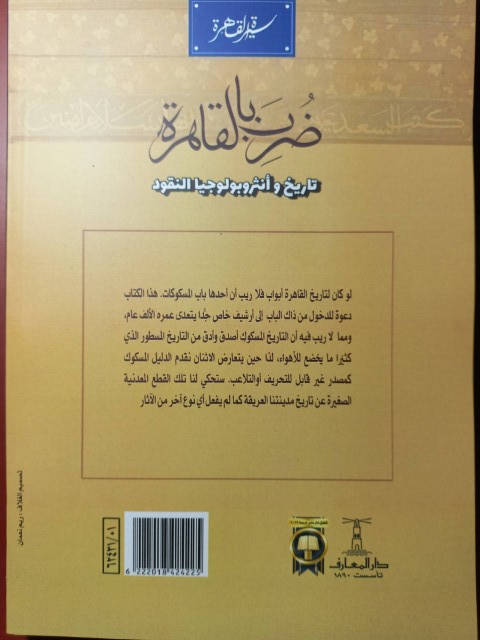
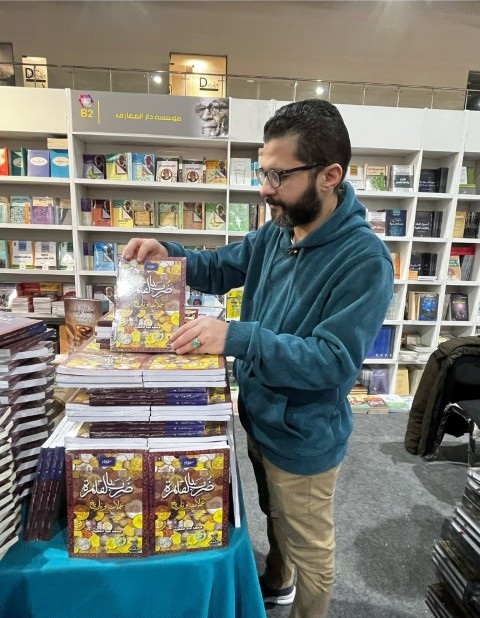
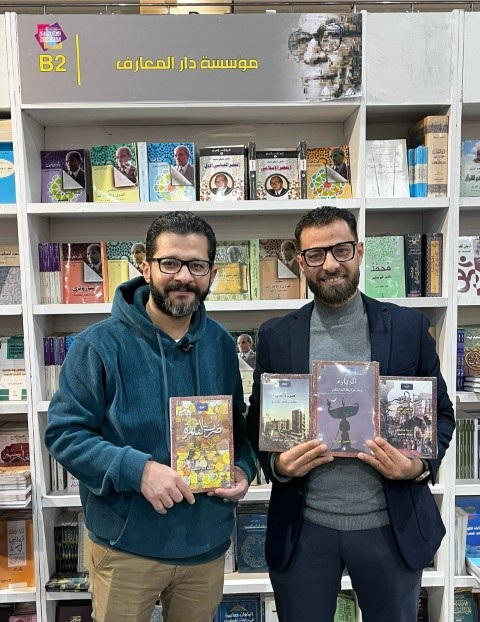
Can a small coin encapsulate the history of an entire empire? In his new book, 'Mined in Cairo,' published by Dar Al-Maaref, researcher Mohamed Abdel Hamid takes us on a research journey to prove that coins were not merely a means of purchase, but rather a 'news ticker' documenting the events of Cairo since the early Islamic era.
The book “Mining in Cairo: Coins and History” by researcher Muhammad Abdul Hamid is a valuable addition to the Arabic library. This work was published by the Foundation Dar Al-MaarefIt offers a unique perspective on the history of Cairo, known as “Al-Mahrousa”, through a meticulous analysis of historical coinage.
This rich research documents the history of Cairo throughout the ages. It relies on an in-depth study of the historical coins minted there. This approach reveals much about Egyptian history and the cultural history of the city.
Definition of numismatics and its historical importance
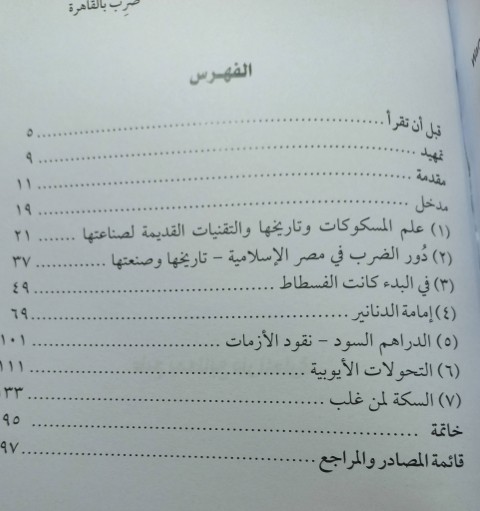
The first chapter, titled "Numismatics and its History," highlights numismatics as a fundamental historical tool for studying the history of Cairo. Researcher Mohamed Abdel Hamid explains that the study of coins offers previously unexplored insights into the city's ancient history. He also details the origins and development of numismatics, emphasizing the importance of historical documentation through coins.
The Role of the Mint in Cairo: History and Technology
In the second chapter (The Mint – Its History and Craft), the author takes us on a journey inside the mint in Cairo, documenting its ancient history and revealing the secrets of coin making and the precise tasks that the mint workers carried out at that time.
Analyzing Fustat coins as a key to understanding the history of Islamic Egypt
In the third chapter (In the Beginning Was Fustat) of his book, Muhammad Abd al-Hamid analyzes the coins of Fustat, which serve as evidence of one of the earliest Islamic civilizations in Egypt. The book provides detailed information about their inscriptions and decorations, enhancing our understanding of the city's evolution over time. This meticulous analysis contributes significantly to our understanding of Egyptian history and the cultural heritage of Cairo.
The role of Fatimid currency in religious and political promotion
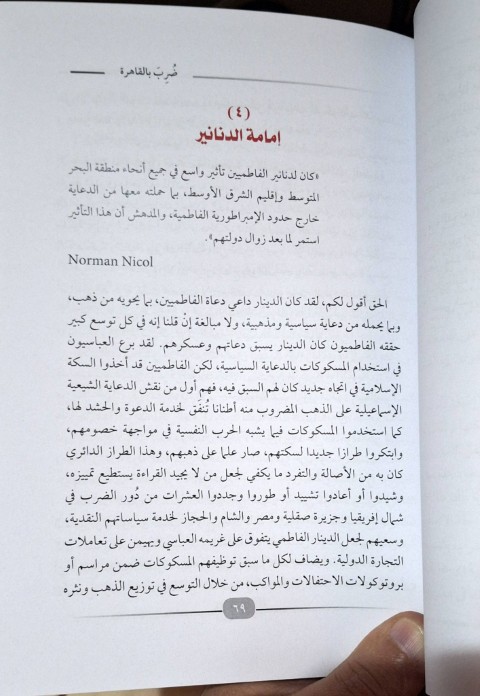
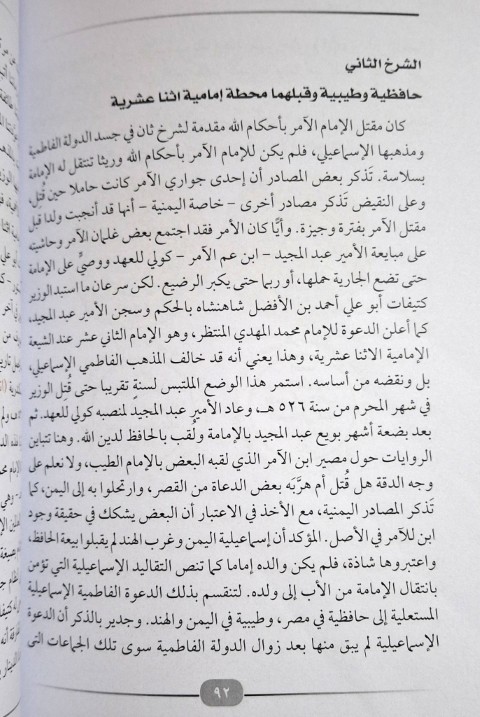
Chapter Four (The Imamate of Dinars) of the book *Mined in Cairo* demonstrates how the Fatimids used dinars for political and religious propaganda. The book documents the divisions within the Ismaili sect that influenced coinage during their rule. This illustrates how historical coins were a powerful tool for expressing Egyptian political history and culture.
Analyzing money during periods of hardship and economic crises
Chapter Five (Black Dirhams) focuses on hardship currency, including black dirhams, and explains how to analyze them to understand economic and social challenges through changes in the type of currency or the frequency of its issuance. This historical research offers profound insights into the monetary and economic history of Cairo and Egypt.
Suggested article: Siege money: When palace ingots become soldiers' currency
Changes and transformations in the currency of the Ayyubid and Mamluk eras
Chapter Six (Ayyubid Transformations) presents a comparative study of coinage changes during the Ayyubid era. The diverse minting techniques and designs reflect cultural and political shifts. The study is based on a comparison of coins from that period, shedding light on Egyptian heritage and the cultural history of Cairo.
Coins as a source for understanding Mamluk rule and its political transformations
Chapter Seven, "The Coinage Belongs to the Victorious," examines the nature of Mamluk rule through the study of coinage. The nature of power, its fluctuations, and the personalities of the sultans are revealed through the inscriptions and decorations on historical coins. This enhances our understanding of the political and monetary history of Egypt and highlights the importance of numismatics in documenting history.
A comparison of coins from historical periods: Silent testimonies from the history of Egypt
| historical period | Characteristics of coins | Historical significance |
|---|---|---|
| Islamic Fustat | Simple inscriptions, focusing on the declaration of faith | The establishment of Islamic civilization in Egypt, and the role of Islamic coins in documenting the beginnings of Islamic Egyptian history. |
| Fatimid era | Gold dinars, clear religious symbols | The spread of the Ismaili doctrine, political propaganda, and how Fatimid money was used in doctrinal promotion. |
| periods of hardship | Low quality, poor quality materials (like black money) | Economic and social crises, and how monetary analysis during these periods reflects the challenges of daily life. |
| Ayyubid era | Design diversity, cultural and political influences | Cultural and political changes, and the role of historical coins in understanding the transformations in the history of Cairo. |
| Mamluk era | Inscriptions reflecting power, figures of sultans | The nature of the rule and its fluctuations, and the role of coins as a source for understanding Mamluk rule and its political transformations. |
The book contains visual documentation including 81 color photographs of the coins with transcripts of their inscriptions, as well as maps, diagrams, and a specialized bibliography.
The work concludes with a rich list of historical and developmental sources and references. The book, "Strike in Cairo," is the third installment in the Cairo Biography Initiative series, published in collaboration with Dar Al-Maaref. It was launched during the 2016 Cairo International Book Fair and is currently available at all Dar Al-Maaref bookstores.
Frequently asked questions about the book “Minted in Cairo”
The central focus of researcher Mohamed Abdel Hamid's book is documenting the history of Cairo, or "Al-Mahrousa" (the protected), through the study and analysis of coins minted there throughout the ages. The work concentrates on the city's monetary history and offers profound insights into the urban and political history of the Egyptian capital.
The book's author is the Egyptian researcher Mohamed Abdel Hamid, a specialist in numismatics. Published by Dar Al-Maaref Foundation, this valuable work is a significant addition to the Arabic library and to those interested in Egyptian history and historical coins.
Numismatics is a pivotal historical tool for studying ancient and Islamic history, particularly the history of Cairo. This discipline reveals information unavailable in written sources, documents periods of prosperity and decline, and political and economic shifts, thus enriching our understanding of monetary and cultural history.
The Fatimids skillfully used dinars for political and religious propaganda. The inscriptions and decorations on Fatimid coins reflected their slogans and Ismaili doctrine, and even documented the divisions within the Ismaili sect that influenced coinage during their rule, clearly demonstrating the impact of political history on numismatic production.
“Hardship coins” are coins issued during periods of economic and social crisis in Egyptian history. Their analysis reveals the challenges faced by societies, such as changes in material quality or the frequency of issuance. These coins, including the black coins, provide a profound understanding of monetary history and how societies coped with economic hardship.
Refrences
- «"Struck in Cairo" by Mohamed Abdel Hamid documents the history of Egypt through various aspects…
- A new book in the Cairo Biography series, titled "Struck in Cairo," will soon be published by Dar...
- Writer and researcher Mohamed Abdel Hamid takes us on a quick tour of his book “Strike…”
- "Struck in Cairo"; a new book in the Cairo Biography series from Dar Al-Maaref. From…
- [PDF] History of Arabic Literature 1-3
To read similar topics, you can browse the Arab Collector website through the Link the next: