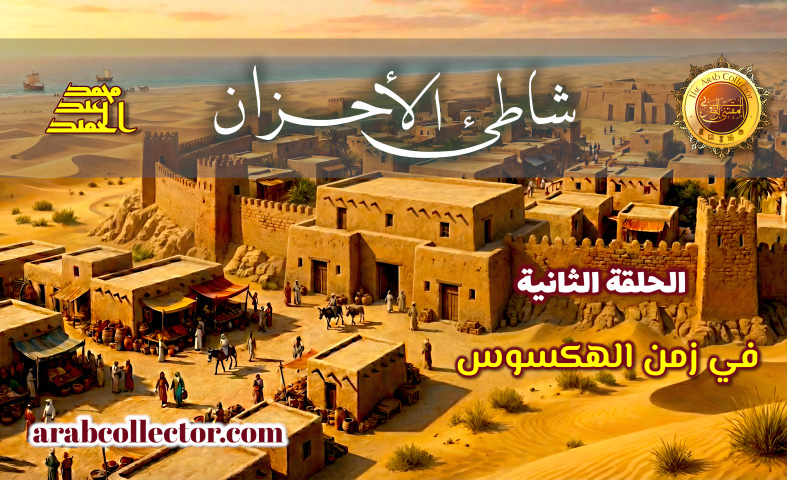
Beach of Sorrows: In the Time of the Hyksos
Episode 2 ( During the time of the Hyksos)
“And then Sharohen was besieged for three years, and then His Majesty plundered it.”
Ahmes son of Ibana
The Hyksos: Origin and Political Identity
As we saw in the first episode of Beach of Sorrows Regarding the history of Gaza during the Early Bronze Age, today we move on to the Middle Bronze Age, but first we must take a look at the dramatic events that took place a little before that.
The Early Bronze Age in Canaan and the Levant generally ended with the near-total collapse of the urban system. Most walled cities were abandoned, and a pastoral and semi-nomadic lifestyle prevailed during the latter years of the Early Bronze Age. However, with the advent of the Middle Bronze Age, a gradual return to urban centers began in the coastal plains of the eastern Mediterranean.
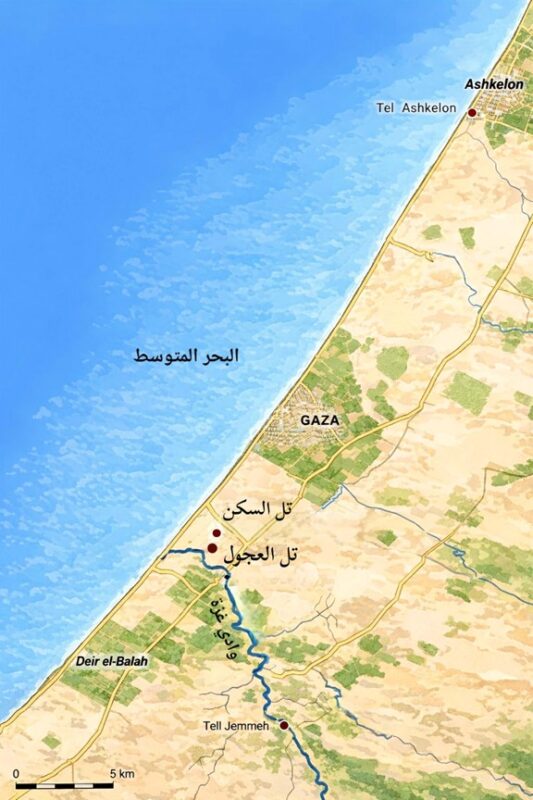
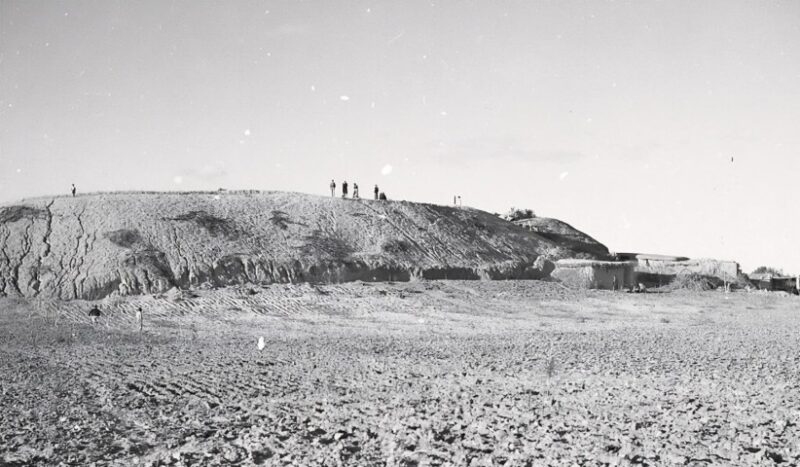
The fate of Gaza was no different from that of other major cities in the Levant during that period. The fortified city at Tell es-Sakan served as the largest urban capital and administrative center of the Gaza region during the Early Bronze Age, but archaeological excavations reveal a state of complete abandonment and total collapse that occurred, most likely, between 2350 BCE and 2300 BCE. It is worth noting that the excavations do not show massive fire layers or violent military destruction like what happened later in other areas, but they do show a complete halt to construction and maintenance of the defensive walls, a gradual collapse of mud-brick buildings and fortifications, and the complete disappearance of urban material culture.
Awaris and Tell al-Ajul: The Unity of the Political System
Archaeologists believe that the decline of Tell es-Sakan, like other major cities in the Levant during that period, was a result of the prolonged drought that struck the eastern Mediterranean. This drought led to the failure of rain-fed agriculture in the areas surrounding Gaza, causing widespread famine. Trade networks collapsed, and the inhabitants were forced to abandon their homes and settled urban life, resorting instead to a nomadic pastoral lifestyle to survive. The people of Tell es-Sakan, with its buildings, were deserted and never returned.
When a new urban cycle began with the end of the drought and the beginning of the Middle Bronze Age, the inhabitants did not return to rebuild their city on the ruins of the residential mound, but chose a new site a few kilometers to the south, namely «Hill of Calves»It has become the new capital of Gaza, benefiting from its proximity to the mouth of the Gaza Valley.”.
These events coincided with the collapse of the Old Kingdom in Egypt and the withdrawal of Egyptian garrisons from Gaza and the rest of Canaan. With the rise of the Middle Kingdom during the Middle Bronze Age, the nature of the relationship with Canaan changed from administrative and military dominance to cautious diplomacy, and the region witnessed what archaeologists call the "Canaanite Renaissance.".
The Egyptian «curse texts» are an important source for understanding the political demography of that period, as they mention the names of some Canaanite kings and cities as potential enemies of the Egyptian kings. According to this magical ritual, the names of enemies and potential enemies were written on statues or pottery vessels, which were then smashed to vanquish them. These pottery shards have provided us with what we might call the first geopolitical survey of Canaan.
Archaeological finds in the lower layers of Tell el-Ajjul indicate the beginnings of a fortified urban settlement. At this stage, the city capitalized on its strategic location—as a naturally protected port—which facilitated early maritime trade with Cyprus and the Aegean coast, alongside overland trade with the Nile Delta and the Arab tribes of the Arabian Peninsula. Excavations at Tell el-Ajjul reveal palaces and residences that point to a hierarchical social structure and a centralized administrative system.
The emergence of the Hyksos was the most important, dangerous and influential event for Egypt, Gaza and the land of Canaan in general during the Middle Bronze Age.
The word "Hyksos" is the Greek form adopted by the historian Manetho of Sebennytos during the third century BC from the ancient Egyptian term "Heka-Khasut," literally meaning "rulers of foreign lands." The Egyptians used this term during the Middle Kingdom to refer to the chieftains of nomadic tribes, not to an entire people, but it later became the name of the ruling dynasty.
For a long time, opinions differed regarding the ethnic origins of the Hyksos and their original homeland, but the prevailing opinion now, based on archaeological evidence and onomastics, almost definitively states that they were Western Semites, specifically of Amorite-Canaanite origin.
It appears that this invasion began with a gradual infiltration, then over time it turned into a human wave that came to Egypt fleeing the turmoil in their original homelands or in search of better opportunities for earning a living. These groups settled in the eastern Delta regions, and later they took advantage of the weakness of the central authority that the Middle Kingdom had reached. This was the beginning of a revolution in the nature of the relationship between Egypt and Gaza, as we shall see.
Gaza as a logistical and commercial center for the Hyksos
The local leaders of these "Egyptianized" communities in the eastern Nile Delta began to manage their own affairs, then gradually expanded to fill the political vacuum, until they declared themselves legitimate kings and founded the Fifteenth Dynasty, which ruled Lower and Middle Egypt and imposed tribute on Upper Egypt. The Hyksos made the city of Avaris (modern-day Tell el-Dab'a) their capital.
During the Hyksos rule of Egypt, the city of Tell el-Ajjul reached its zenith of expansion and wealth. At this time, Gaza was not merely a subordinate city, but rather the twin city of the capital, Avaris, and the main logistical center for the Hyksos in Canaan. Archaeological excavations at Tell el-Ajjul have revealed a striking similarity in material culture between Gaza and Avaris, confirming the unity of the political and economic system that linked the two sites.
It seems that the Hyksos kings sought in every way to secure the loyalty of Gaza and gain the favor of both its rulers and its inhabitants. They transformed the city at Tell el-Ajjul from a mere stop on the Horus Road into the ruling center of trade between East and West.
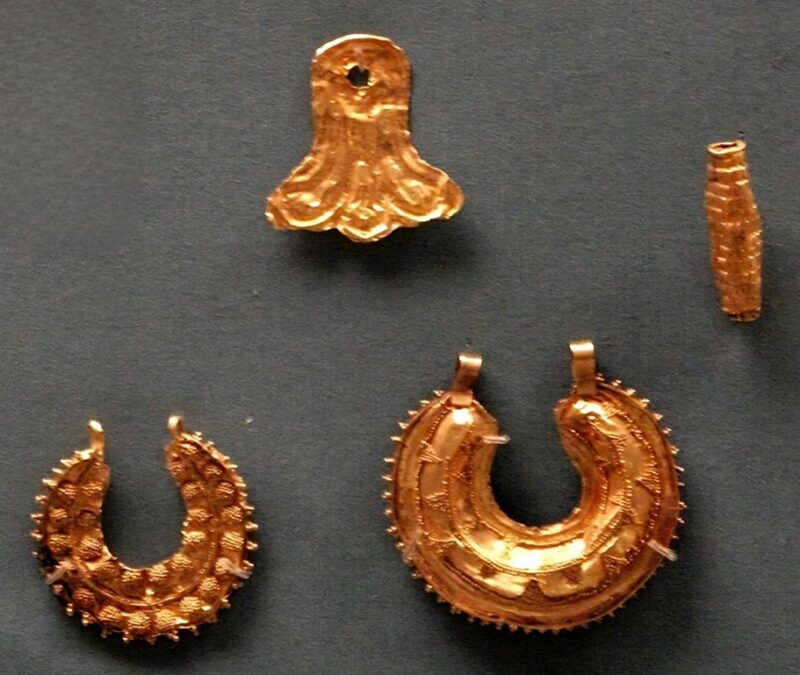
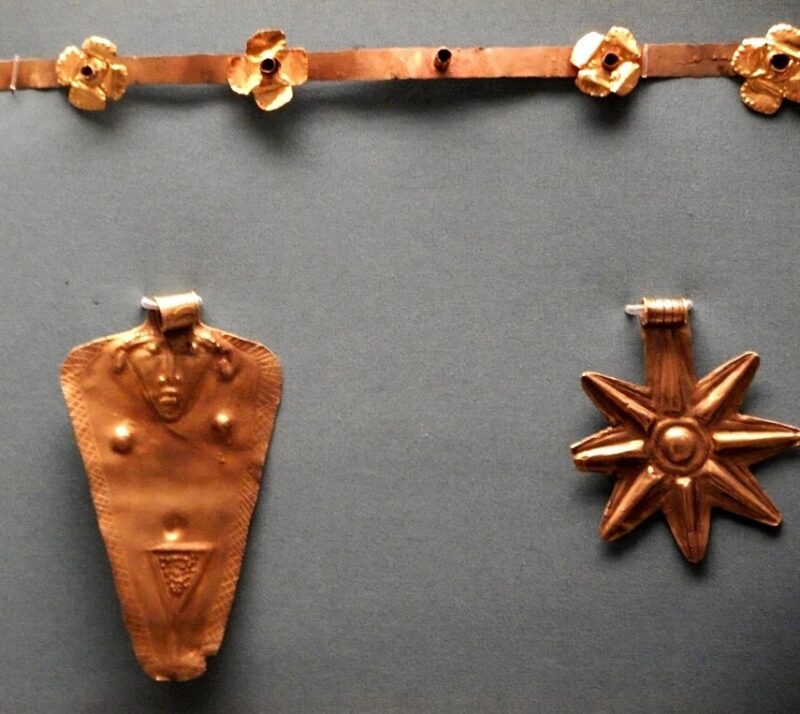
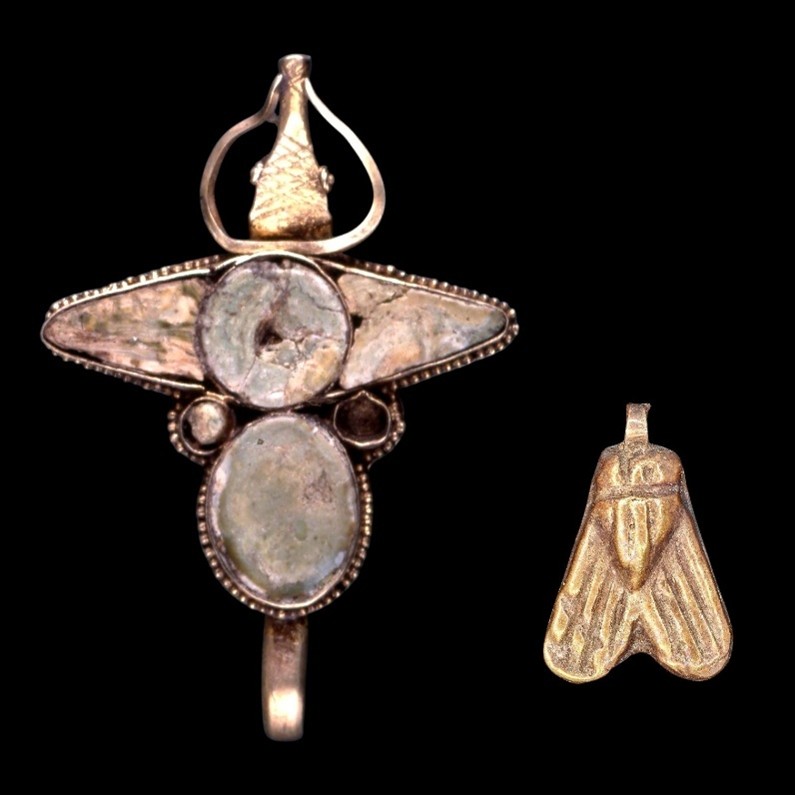
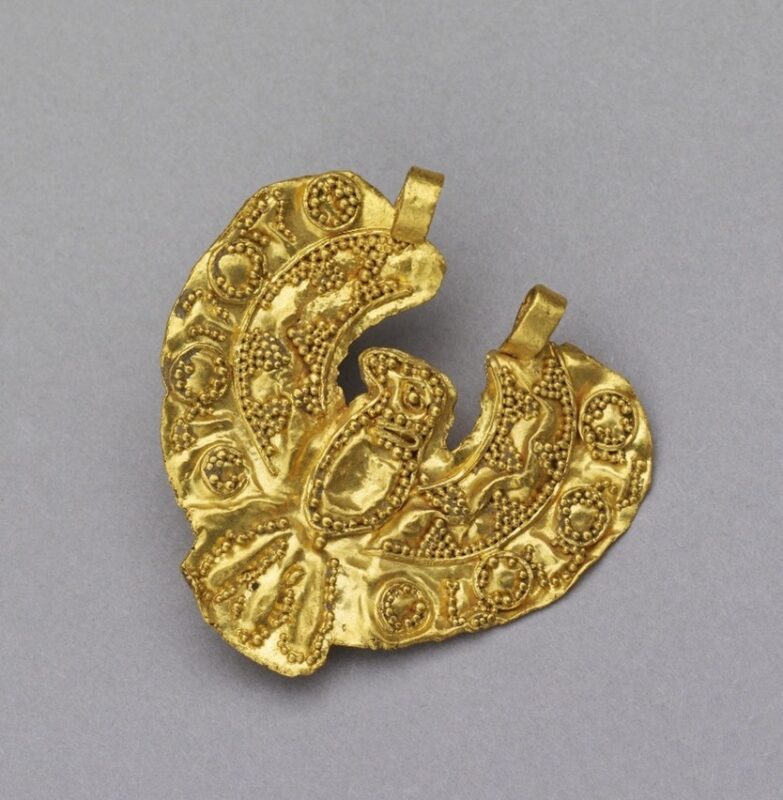
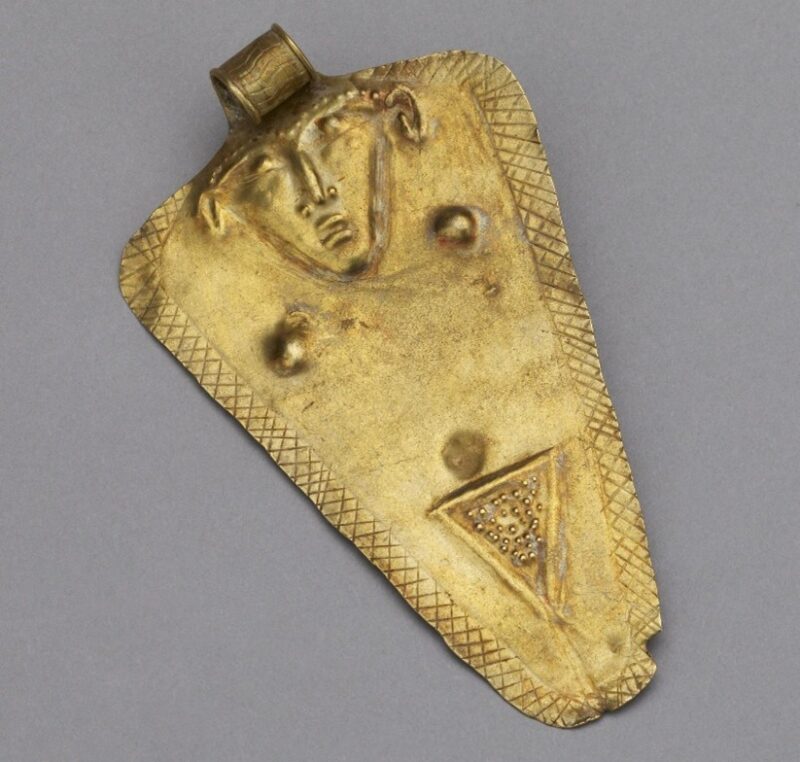
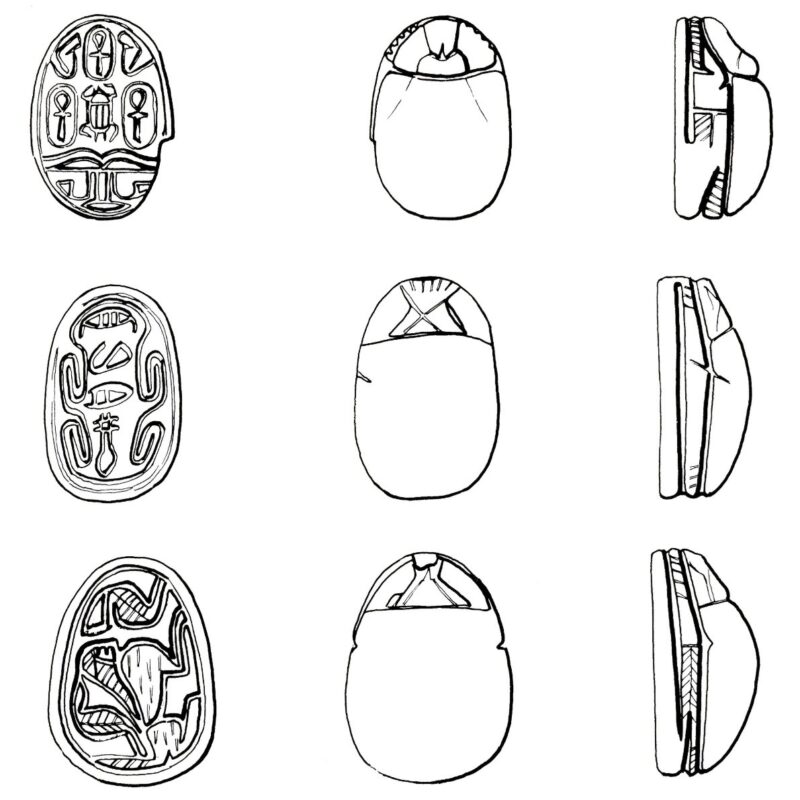
There is no doubt that the ruling class in Gaza made great profits from trade during the time of the Hyksos, and this is confirmed by the abundance of finds and treasures of gold jewelry discovered in Tell el-Ajjul, which blend Egyptian and Canaanite art styles, and show the size of the capital accumulation and the enormous wealth that flowed into the city as a result of its monopoly of the caravan trade between Egypt and the Levant.
Sharuhen and the campaign of Ahmose I
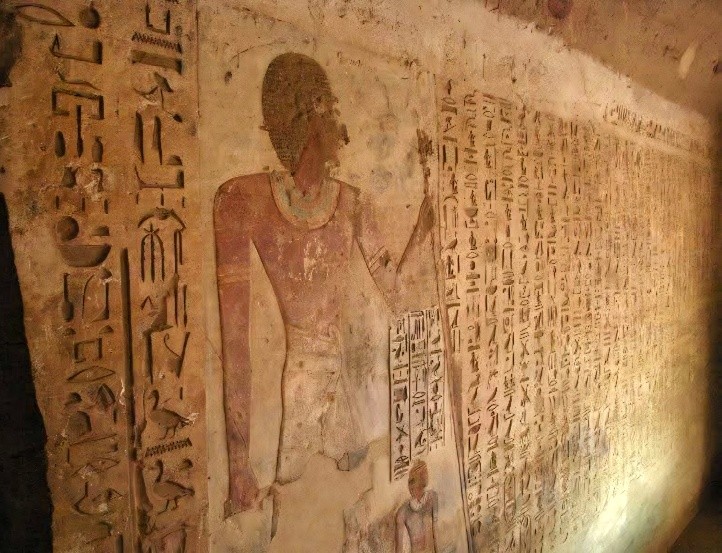
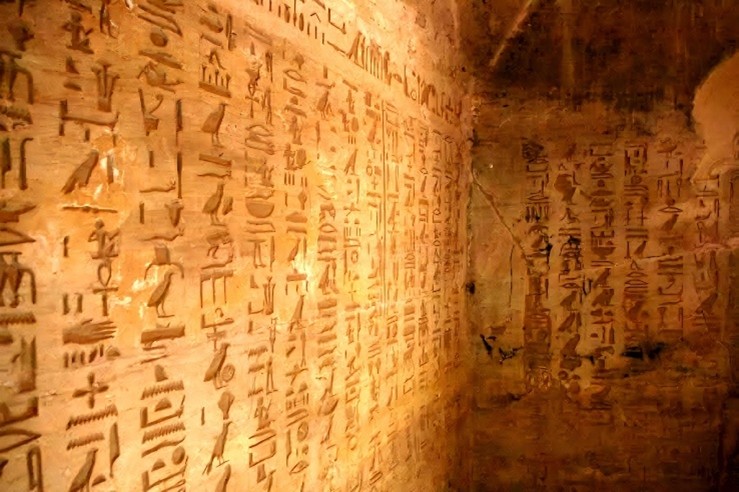
In short, if Sharuhen is not Gaza, it is certainly not far from it. Indeed, a large number of archaeologists now believe that Sharuhen is the fortified city in Hill of Calves.
In any case, whether Sharuhen is the same as Tell el-Ajjul or another nearby fortress, the destructive effects of King Ahmose I's campaign were significant on Gaza and the surrounding area. Archaeological excavations at Tell el-Ajjul revealed a widespread layer of destruction and ash, indicating that the city was burned and its walls completely destroyed.
From this point onward, throughout the Late Bronze Age, Egypt's policy toward Canaan would change, and this would be most evident in Gaza. These events undoubtedly altered the Egyptian state's strategy; the rise of the Hyksos forced Egypt out of its isolation in the Nile Valley, leading the kings of the New Kingdom to pursue more expansionist policies.
In the next episode, God willing, we will move to the Late Bronze Age to see how Gaza will play the role of the Egyptian capital of Canaan, and together we will search for the location of its new administrative center on the shore of sorrows.
To read The first episode of Beach of Sorrows
For more similar topics, you can browse the Arab collector's website through the Link the next