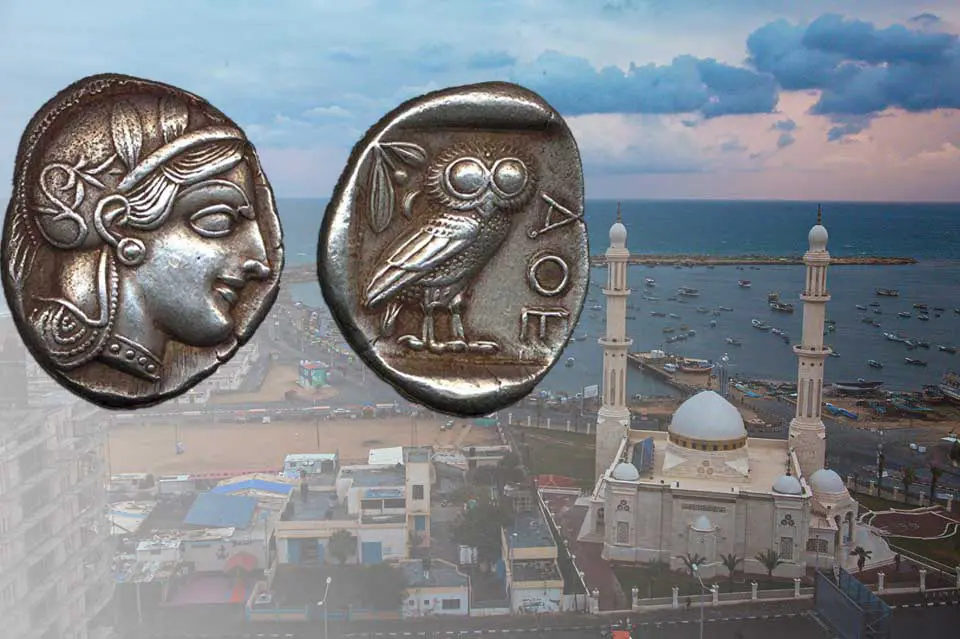
Gaza's forgotten treasure
Let's discover the story of Gaza's forgotten treasure in detail.
Discovering the treasure of Gaza
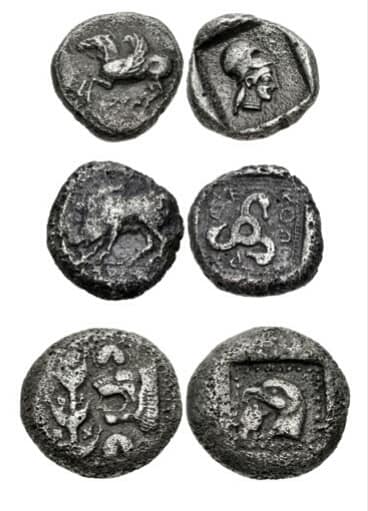
Around the mid-1960s, a fisherman named “Salama” discovered a treasure trove of old coins in the Gaza Sea, consisting of 29 silver pieces of varying weights and styles. He immediately went to one of the goldsmiths in Gaza, who was famous for buying antique coins, named “Khader Youssef Tarzi.” “Khader” sensed the importance of the pieces that the simple fisherman was offering him.
He bought it directly; and of course, he paid the fisherman a small amount that did not correspond to its importance. Later, Khader was able to determine the type of coins; their style indicated that they were struck in Greek cities, but he noticed that they were very diverse and some of them weighed nearly 40 grams; and they may belong to a period that precedes what he was used to seeing of ancient Greek coins. Khader kept the treasure and did not offer it for sale at that time, as he wanted to identify it accurately and document it, but after a short period, the war broke out between the Arabs and the Zionist entity in 1967, and one of its results was the occupation of the Gaza Strip, and as is known, chaos prevailed. Here, Khader felt the danger and decided to move the treasure to a safe place. .
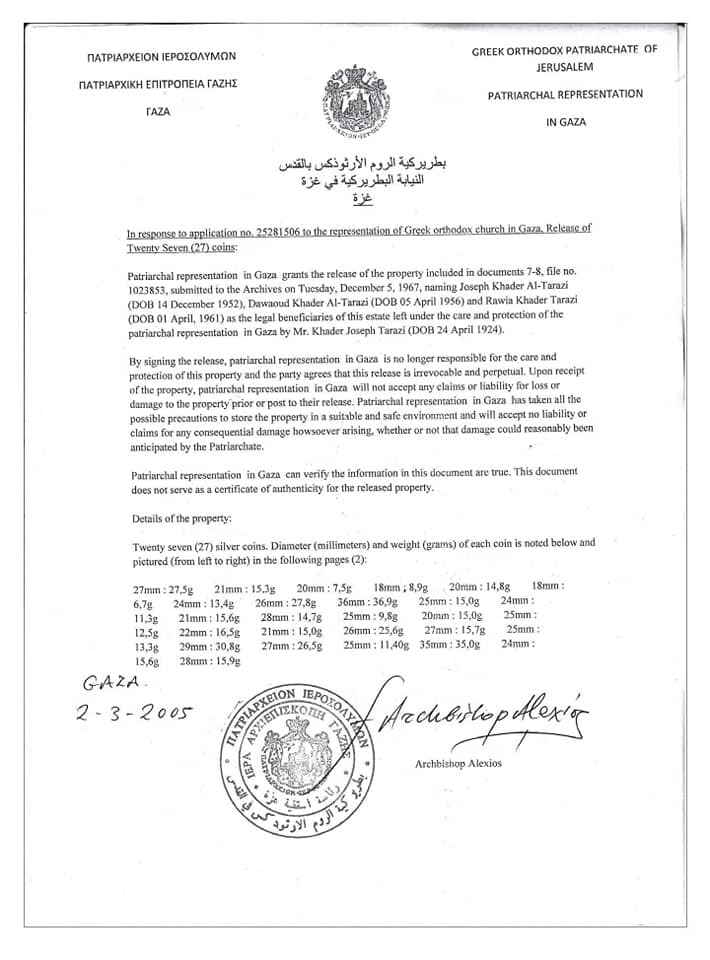
He went to the Greek Orthodox Church in Gaza City and asked to deposit the pieces with them. The church did indeed deposit them in one of its safe vaults after counting their weights and dimensions. The forgotten treasure of Gaza remained in that vault from 1967 until 2005, and the scientific community knew nothing about it.
Finally, the church handed over the pieces to the heirs of “Khader” - his three sons “Youssef”, “Daoud”, and “Rawya”, and the heirs allowed the researchers Dr. “Fernando Lopez Sanchez” and “Daniel Gomez Castro” to document, study and publish the treasure before they put it up for sale.
Defining the historical era
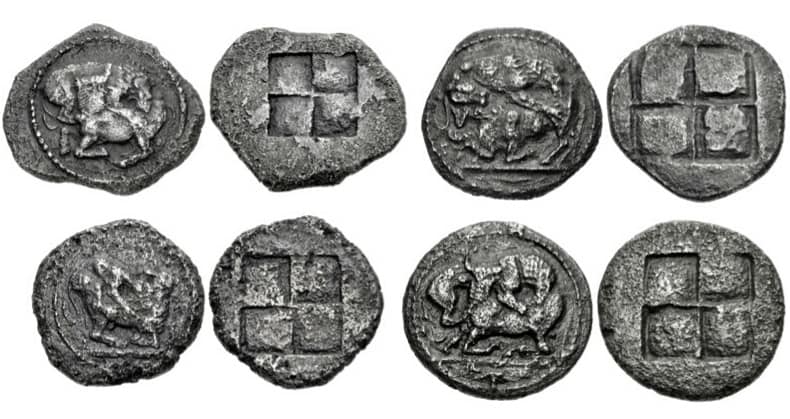
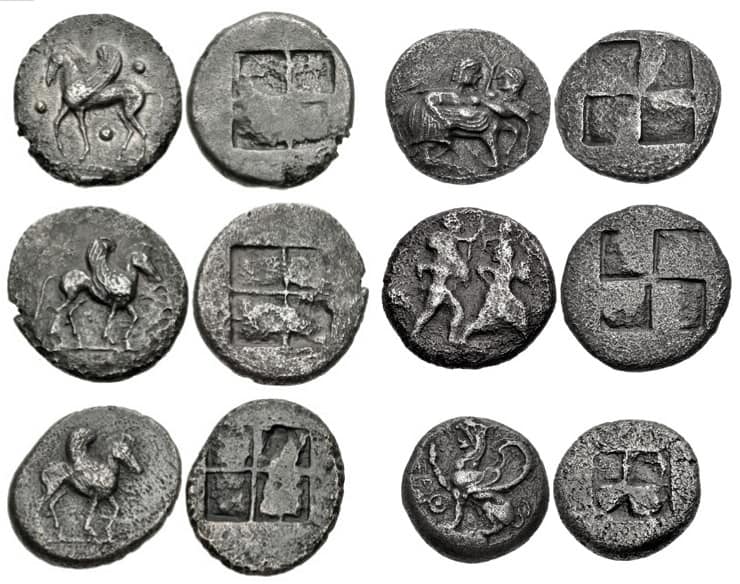
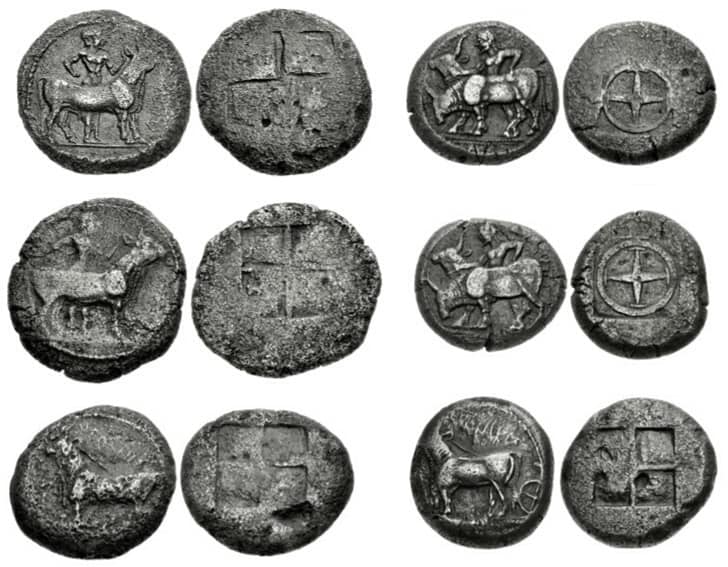
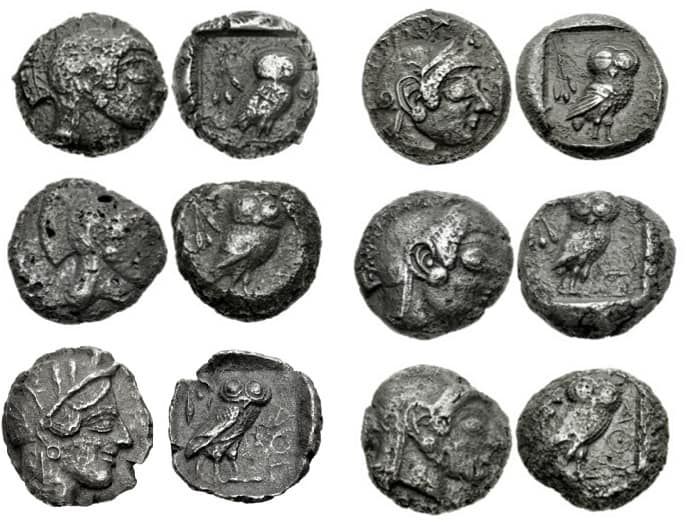
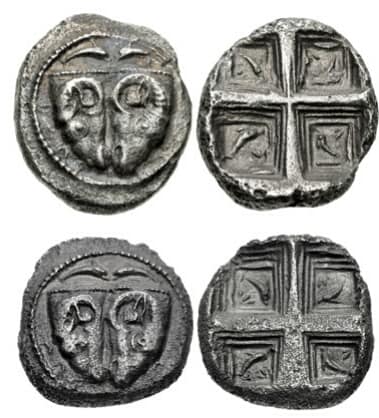
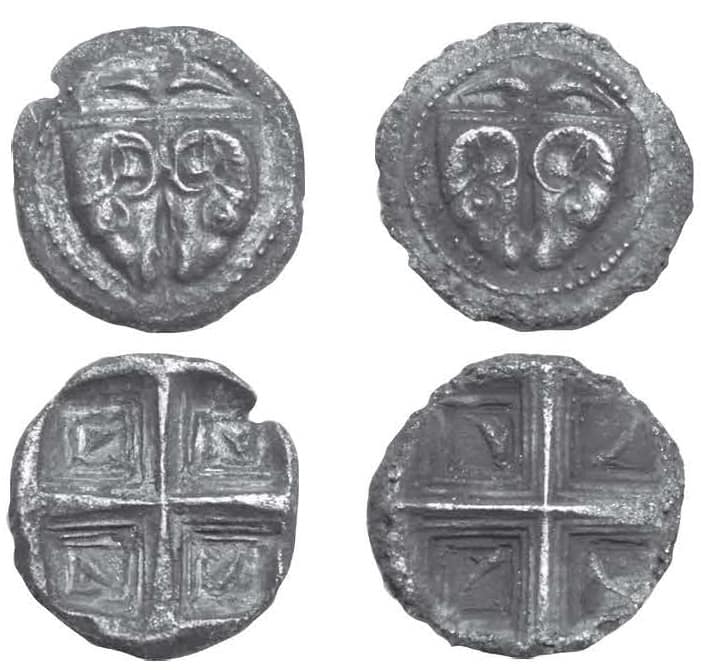
The researchers identified the historical period to which the hoard pieces belonged as the Late Archaic period, just before and possibly during the Persian Wars, between approximately 510 and 475 BC. It was interesting to note the appearance of some designs that had not been recorded before, and others similar to those recorded in the Asyut hoard for the first time. The hoard included pieces of the dodecadrachm, decadrachm, and octadrachm, which were the highest denominations of Greek silver coins and were not as common as the tetradrachm and drachm denominations.
After counting the cities where those coins were struck, it became clear that most of them belonged to the region of Macedonia, but the treasure was not without the presence of Athens, Corinth, Leucas, Delphi, Lycia, and Kyrenia. Tracing the positions of those cities on the map drew for us the network of trade and international relations in the eastern Mediterranean at that time; it also showed the position of ancient Gaza at the heart of that network.
Selling the treasure
Resources
You can follow similar topics by the author from the Link the next:
https://arabcollector.com/%d8%af%d9%86%d8%a7%d9%86%d9%8a%d9%80%d9%80%d8%b1-%d8%b4%d8%ac%d9%80%d9%80%d8%b1-%d8%a7%d9%84%d9%80%d9%80%d8%af%d8%b1/