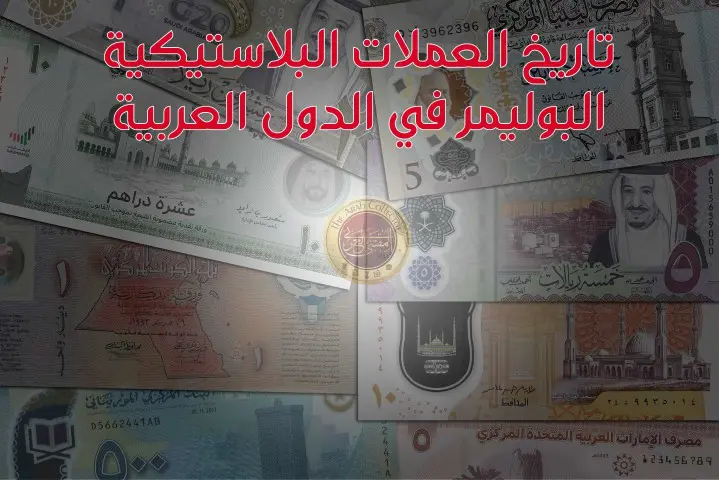
History of polymer banknotes in Arab countries
History and features of polymer banknotes
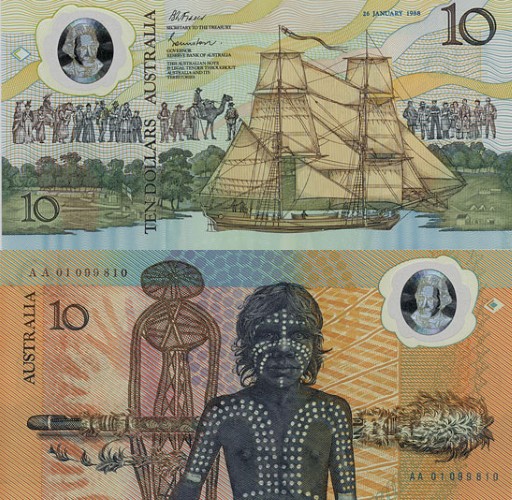
Australia was the first country to print banknotes made of polymer, or what has become known in the media as “plastic currency,” and that was at the beginning of 1988, when it began printing banknotes in denominations of 5, 10 and 20 Australian dollars.
One of the advantages of plastic banknotes is that they are durable and last much longer than paper money; they can last two and a half times longer than paper banknotes.
It is difficult to counterfeit: This is because the plastic banknotes are made from thousands of tiny particles that make up the images and writing on them, which makes it extremely difficult to replicate the manufacture of these banknotes.
Water, dirt and dust resistant: Paper money easily attracts dirt and dust, whereas this dirt accumulates much less on polymer banknotes, and they are also easier to clean.
Resistance to extreme temperatures: Polymer sheets are known to withstand extreme temperatures, both hot and cold. It is believed that polymer sheets can withstand temperatures up to 140 degrees Celsius.
Environmentally friendly: Once banknotes have worn out sufficiently, they can be recycled; polymer banknotes are less material-intensive than paper banknotes.
Arab countries and plastic currencies
The first issue of plastic or polymer banknotes by Arab countries began with the State of Kuwait in 1993, followed by sporadic issues from several Arab countries until Kuwait returned in 2014 with the issuance of the first complete set of plastic banknotes for monetary circulation, thus beginning the competition and race of other Arab countries to enter the world of polymer banknotes.
1993 Kuwait
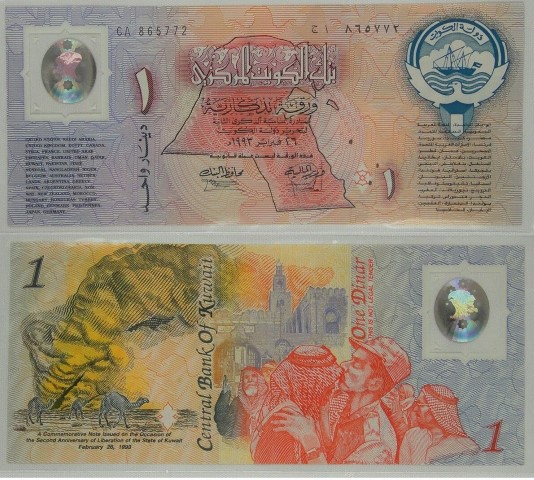
On February 26, 1993, the second anniversary of Kuwait's liberation from Iraq, the Central Bank of Kuwait issued a commemorative 1-dinar polymer banknote. It was released in a special envelope for the occasion and bore the inscription “This paper is not legal tender.”In Arabic on the front of the banknote (directly above the signatures) and in English on the back.”.
Iraqi forces invaded Kuwait on August 2, 1990. UN coalition forces established bases for the attack on Iraq, primarily in Saudi Arabia and at naval sites. The coalition forces swiftly attacked and expelled Iraqi forces from Kuwait under the codename "Operation Desert Storm." February 26 was declared a national holiday—Liberation Day—to celebrate the restoration of sovereignty after the Iraqi occupation.
Kuwait 2001
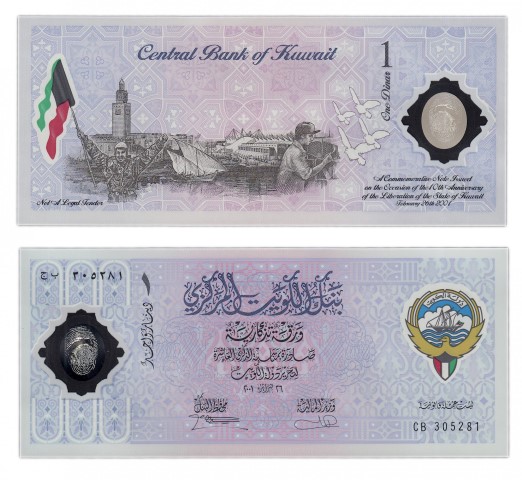
On February 26, 2001, a second, non-legal polymer banknote of 1 dinar was issued to commemorate the tenth anniversary of liberation in a special envelope. The first banknote focused heavily on the occupation and liberation, while the second banknote reflected the reconstruction and development of Kuwait since liberation and bore the phrase “Not legal tender”On the front in Arabic and on the back in English.”.
Mauritania 2009
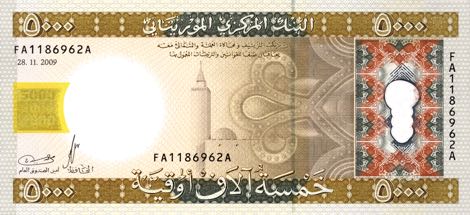
The first 5,000 ounce hybrid polymer banknote was issued to combat currency inflation in the country and prevent currency counterfeiting.
Mauritania 2012
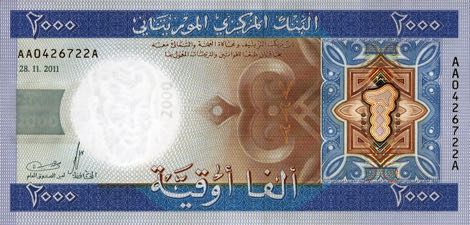
On February 1, 2012, the Central Bank of Mauritania introduced a new 2000 ouguiya banknote made of polymer, smaller than the previous issue, to replace it in circulation, and it includes several new anti-counterfeiting features.
Morocco 2012
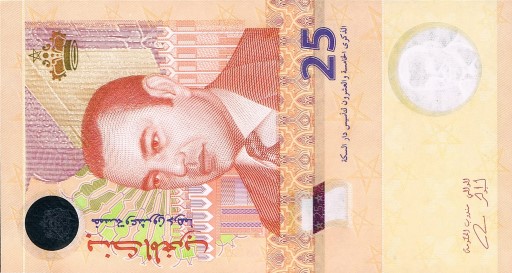
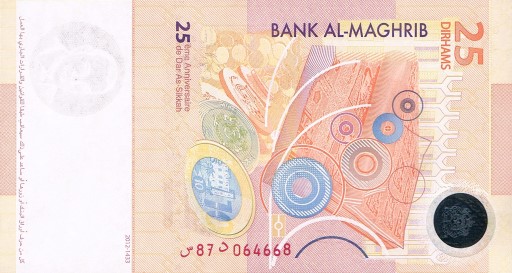
With the release of the new Moroccan 25-dirham note in December 2012, Bank Al-Maghrib, the Moroccan central bank, became the first bank in the world to issue a polymer banknote printed on Durasafe to commemorate 25 years of banknote printing at the Moroccan state printing house, Dar As-Sikkah.
Lebanon 2013
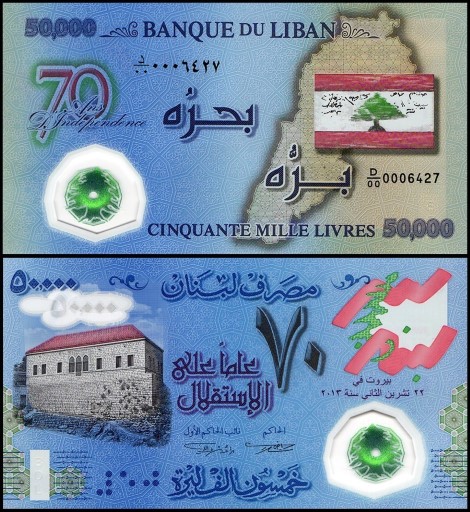
The Central Bank of Lebanon issued a 50,000 Lebanese lira banknote, the first of its kind in Lebanese polymer banknotes, to commemorate the 70th anniversary of Lebanon's independence.
Mauritania 2014
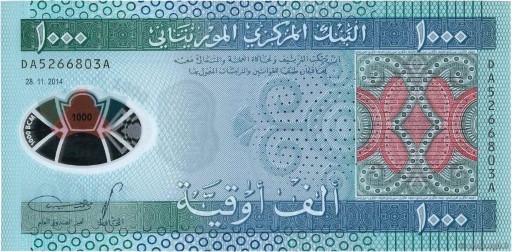
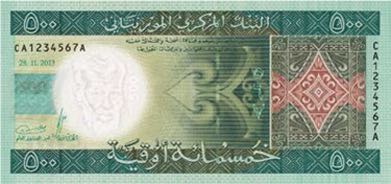
Two new polymer banknotes, one in denomination of 500 ounces and the other in denomination of 1000 ounces, were issued to replace the older versions.
Lebanon 2014
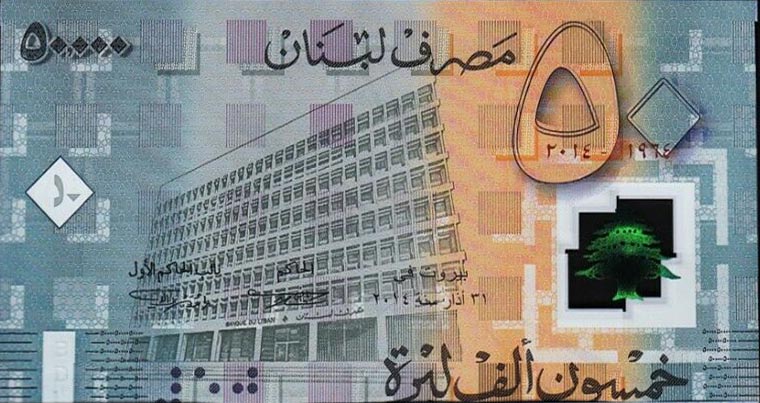
A commemorative banknote of 50,000 Lebanese pounds was issued to mark the fiftieth anniversary of the establishment of the Bank of Lebanon.
Kuwait 2014
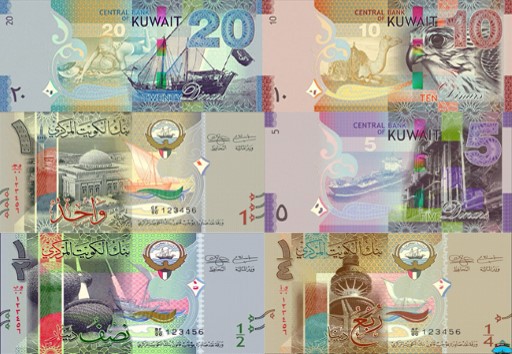
The sixth generation of Kuwaiti banknotes was issued by the Central Bank of Kuwait in June 2014 from a paper and polymer hybrid, and it is the first Arab country to issue a complete issue of all its denominations in one batch from polymer.
Lebanon 2015
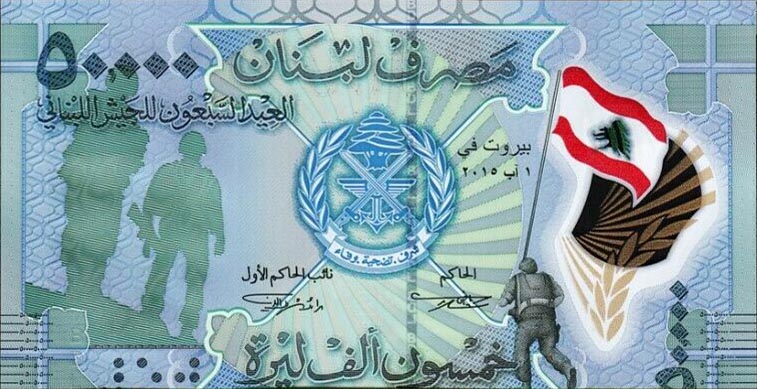
Lebanon issued a commemorative banknote of 50,000 Lebanese pounds to mark the 70th anniversary of the Lebanese Army.
Mauritania 2018
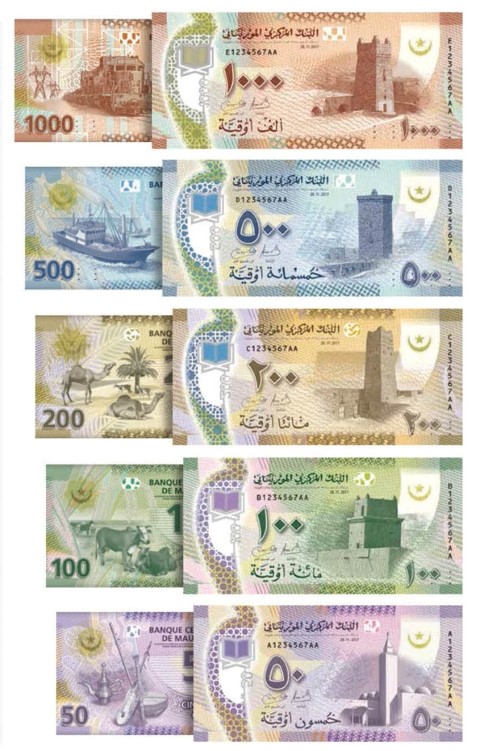
President Mohamed Ould Abdel Aziz announced an economic reform and a new currency on November 28, 2017, which coincided with the country's national holiday. As of January 1, 2018, Mauritanians began replacing their old currency, the Ouguiya, with the new currency. Thus, Mauritania is considered the second Arab country to introduce a full issue of polymer banknotes into circulation.
Libya 2019
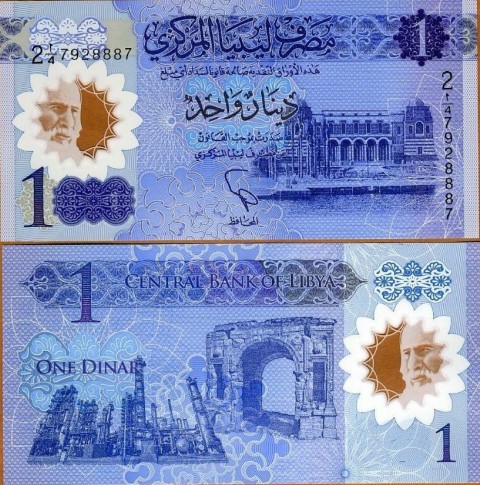
In February 2019, the Central Bank of Libya launched a new series of dinar banknotes made of polymer plastic, which is more secure against counterfeiting. This new series is also easier to use at ATMs.
Morocco 2019
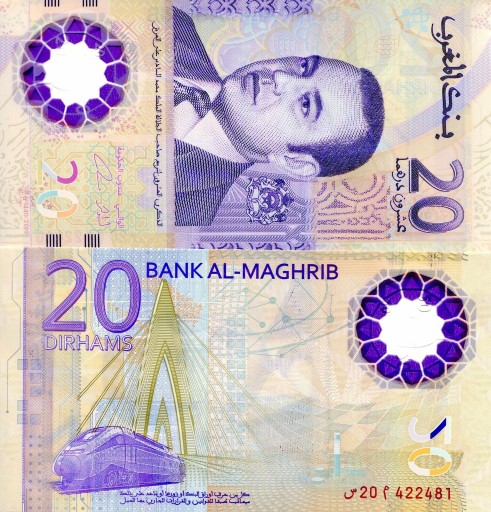
The Moroccan 20-dirham banknote was issued in 2019 to commemorate the 20th anniversary of King Mohammed VI's accession to the throne. The banknote is made of polymer, measures 130 x 70 mm, and features shades of purple, yellow, and green.
Lebanon 2020
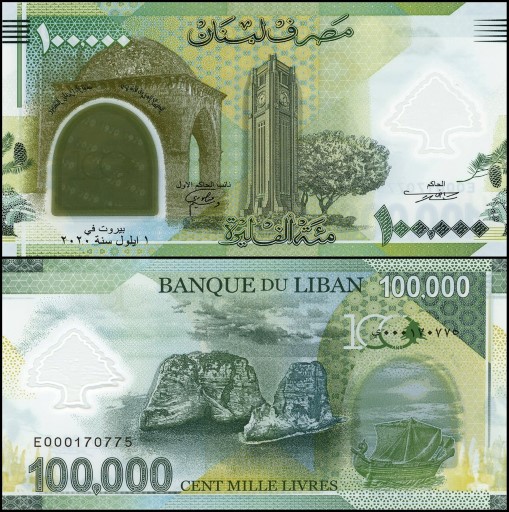
In July 2020, the Lebanese bank introduced a 100,000 lira note made of polymer to commemorate the centenary of the founding of Lebanon.
Kingdom of Saudi Arabia 2020
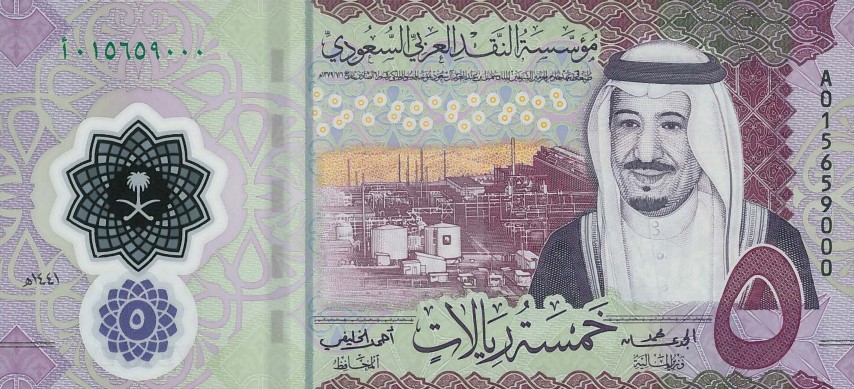
The Saudi Arabian Monetary Authority (SAMA) announced the introduction of a (five riyal) denomination of Saudi currency made of polymer material. SAMA explained that the design and colors of the five riyal denomination made of polymer material were taken into account to be similar to the design and colors of the same paper denomination made of cotton, taking into account the difference in manufacturing techniques, technical specifications, and security features specific to this denomination. The paper was put into circulation on 5/10/2020 AD.
Look : The new issue of the five Saudi riyal note
The Saudi Arabian Monetary Authority (SAMA) announced the issuance of a commemorative 20-riyal banknote to celebrate the Kingdom of Saudi Arabia's presidency of the G20 summit during the reign of the Custodian of the Two Holy Mosques, King Salman bin Abdulaziz Al Saud. This denomination was printed according to the latest standards in banknote printing, featuring numerous technical specifications, high-quality security features, and a distinctive design in a purple hue that highlights the beauty of the motifs inspired by the G20 summit logo. The banknote's design includes a portrait of the Custodian of the Two Holy Mosques, King Salman bin Abdulaziz Al Saud, on the front, along with the Kingdom's G20 presidency logo in three dimensions. The back of the banknote features a world map highlighting the G20 member countries in a different color. The banknote was released into circulation on October 25, 2020.

Qatar 2020
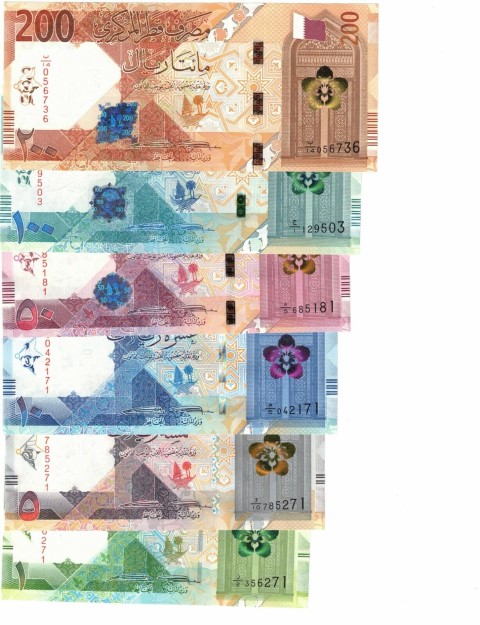
Qatar introduced a new series of paper banknotes into circulation on December 18, 2020, consisting of seven denominations, all made from a paper and polymer hybrid.
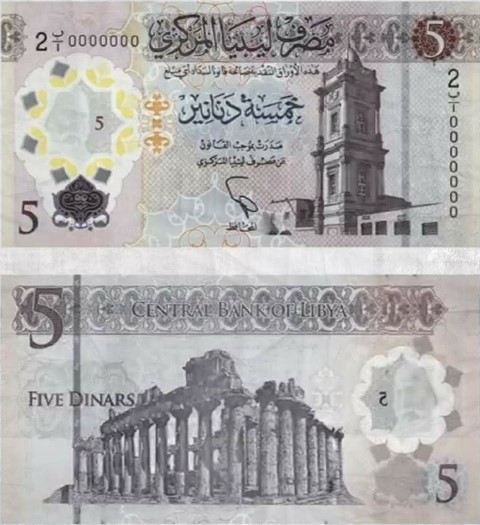
Libya 2021
On February 15, 2021, the Central Bank of Libya (CBL) issued a new five-dinar polymer banknote, coinciding with the tenth anniversary of the February 17, 2011 revolution.
Look : A new 5 dinar banknote
Mauritania 2021
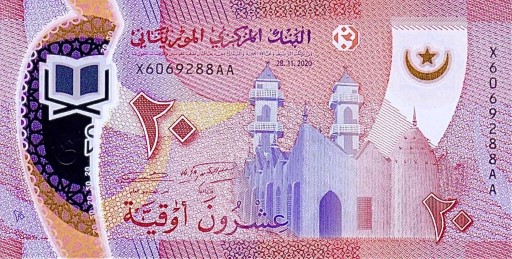
On December 13, the Mauritanian Presidency issued a decree establishing a new 20 ouguiya banknote. The Central Bank confirmed that the 20 ouguiya coin issued in 2018 will be kept in circulation at the same time as the new banknote.
Look : A new twenty-ounce banknote
United Arab Emirates 2021
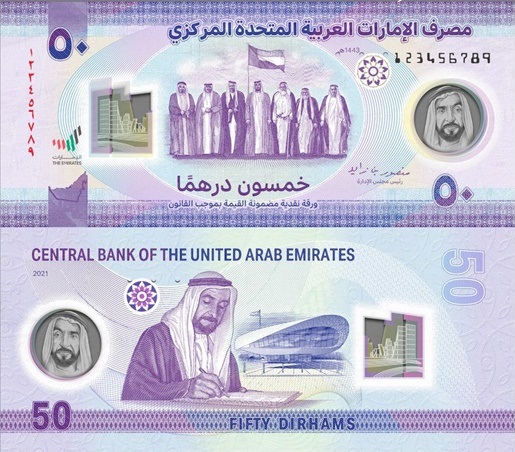
The Central Bank of the UAE announced the launch of a new commemorative 50-dirham banknote in December 2021, honoring the achievements of the late Founding Father, Sheikh Zayed bin Sultan Al Nahyan, and the first generation of rulers of the UAE, in recognition of their historic role in unifying the nation under one flag. This is the third issue of the national currency's 50-dirham note and coincides with the UAE's Golden Jubilee celebrations, marking the founding of the Union on December 2, 1971. The new issue is also the first banknote made of polymer to be circulated in the UAE.
Look : The UAE launches a new 50-dirham polymer banknote.
United Arab Emirates 2022
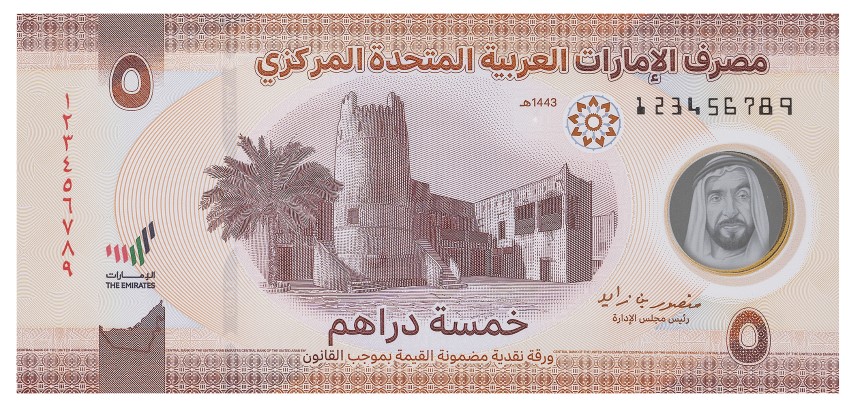
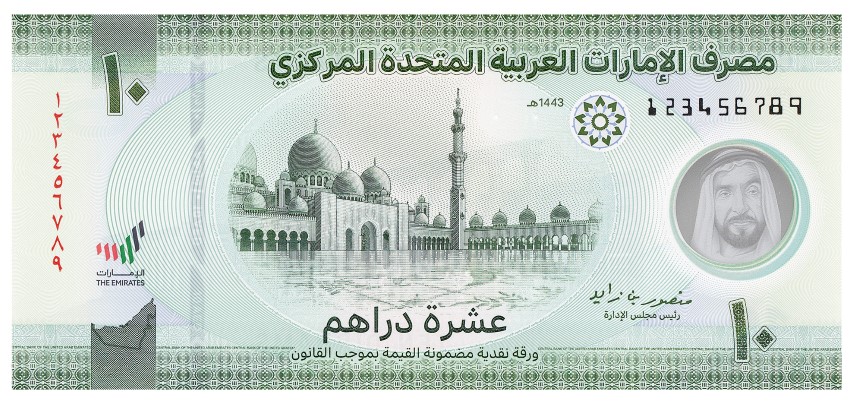
In April 2022, the Central Bank of the UAE announced the introduction of two new banknotes, five and ten dirhams, made of polymer. The Central Bank explained that this new introduction comes within the context of the third issuance of the national currency and stems from its keenness to keep pace with the comprehensive renaissance and the ambitious development vision of the country for the next fifty years, especially in the financial and economic fields, after the success of the first introduction of the fifty dirham banknote (polymer).
Egypt 2022
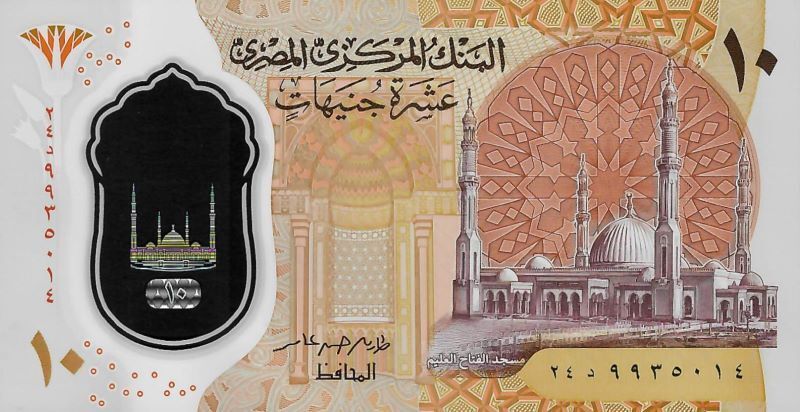
The Central Bank of Egypt issued a new 10-pound banknote with a new design, printed on a polymer (plastic) substrate – the first polymer banknote issued in Egypt. It was released on July 5, 2022, and circulated alongside the existing 10-pound paper currency.
Look : Security features of the first Egyptian polymer banknote
Algeria 2022
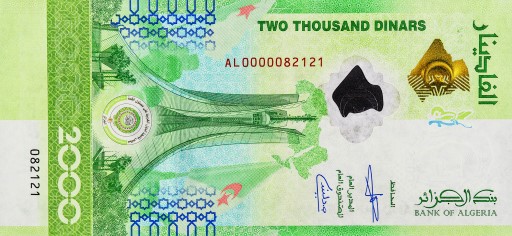
The Central Bank of Algeria issued a 2000 dinar note to commemorate the 31st Ordinary Session of the Council of the League of Arab States held in Algiers on November 1 and 2, 2022. The note is made of a paper and polymer plastic hybrid.
Qatar 2022
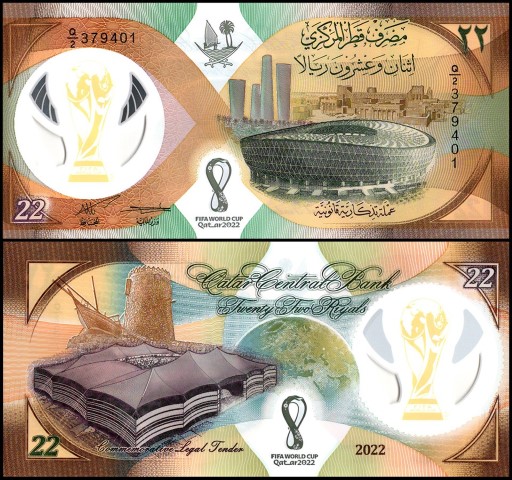
On November 9, 2022, the Qatar Central Bank unveiled a 22-riyal polymer banknote to commemorate the 2022 FIFA World Cup, which was held in Qatar from November 20 to December 18, 2022. This was the 22nd FIFA World Cup, which coincidentally took place in 2022. Six million banknotes were printed and packaged in a tri-fold cardboard sleeve for sale at 75 riyals from exchange bureaus and banks, while retaining the face value of the legal tender note at 22 riyals.
Sources:
For similar topics, you can browse the Arab collector's website. the Link the next:
Egyptian polymer banknotes…when will they be issued?
Qatari banknotes break records