
The difference between numismatics, philately, and paper currency
introduction
Concepts are often confused between Numismatics وStamp science وThe science of banknotesThese three fields rely on seemingly similar tangible materials such as coins, stamps, and banknotes. However, each field constitutes an independent area of knowledge with its own subject matter, methodology, and research questions.
This article aims to clarify the fundamental differences between these sciences, and to explain the nature of the complementary relationship between them, in order to make it easier for the reader and researcher to understand the position of each discipline within the system of documentary and historical studies.
First: Numismatics
Numismatics It is the science that studies coins as instruments of exchange issued by political or economic authorities, and analyzes them in terms of:
- Minting systems
- Metals used
- nominal values
- Issuing Authority
- Trading and dissemination
Numismatics does not view the coin merely as a collectible item, but as a source for understanding monetary sovereignty andEconomy And the political history of nations.

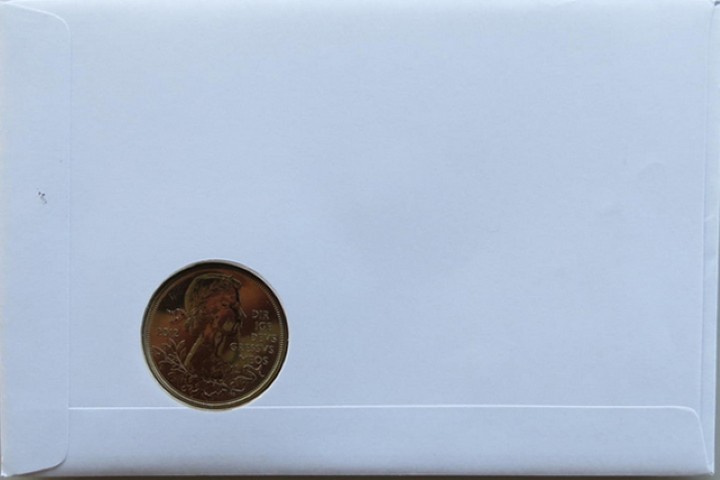
Second: Philately
Stamp science It is the study of the postal system through the postal materials it produced and used, such as stamps, envelopes, seals, and letters.
This science focuses on:
- Postage fees
- Mail routes
- Actual Uses
- Administrative organization of communication
In this context, the postage stamp is not an end in itself, but a means to understand the system of communication and administration within the state.
Third: Notaphily (the study of banknotes)
The science of banknotes It is a specialized field of knowledge that studies banknotes in terms of:
- Release systems
- Monetary authorities
- Design and printing
- Economic jobs
- Trading during periods of stability and crisis
This science deals with the banknote as a sovereign and economic document that reflects the level of institutional organization and financial confidence.
A systematic comparison between the three sciences
| Stamp science | The science of banknotes | Numismatics | The element |
| Postal system | Paper money | coin | Subject of study |
| Information transfer | Cash trading | economic exchange | primary function |
| Postal Administration | Central Bank / Monetary Authority | Monetary Authority | Issuing Authority |
| Mailing material | banknote | coin | Nature of the source |
| Administrative and communication | financial | financial | sovereign dimension |
The complementary relationship between these sciences
Despite the independence of each discipline, they complement each other in studying the structure of the modern state:
- Numismatics explains the evolution of financial sovereignty.
- The science of banknotes reveals the evolution of the monetary system and economic confidence.
- Philately explains the evolution of administration and communication.
Studying these fields together contributes to providing a comprehensive reading of administrative, economic and political history.
conclusion
Coins, stamps, and banknotes are not merely collecting hobbies, but specialized reference sciences that study the fundamental systems upon which modern states are based: money, communication, and administrative organization.
Understanding the differences between these fields, while recognizing their complementarity, is a necessary step for any researcher or interested party seeking to read history through documented material sources and a sound scientific methodology.

 EN
EN  AR
AR