Meaning of Ansar coins
Have you ever wondered what "answer" means in currency? We will attempt to explain the answer to this question in simple points to make the concept clear.
What are Ancer currencies?
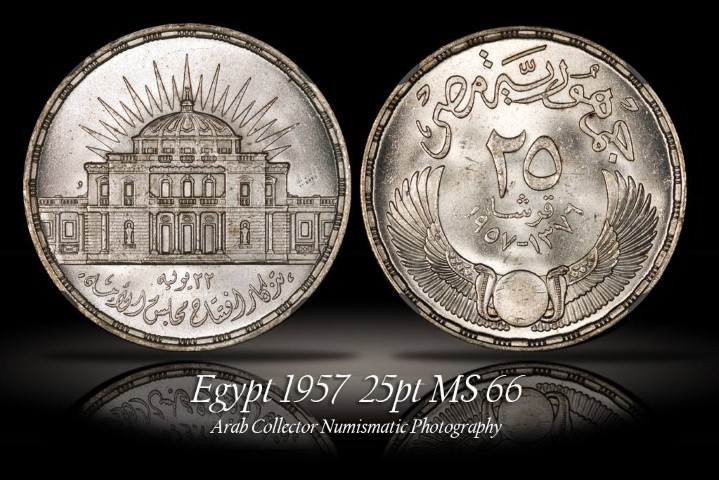
The term "answer" is an Arabicized word derived from the English word uncirculated (Unseen) refers to the condition of a coin, meaning a coin that has never circulated. It is the highest degree of coin condition and also means a coin that has not been handled or touched extensively or for a long period of time. It shows no signs of alteration, erasure, cleaning, or poor storage, and the coin does not show any signs of wear on any of its surfaces. In short, it is the condition of a coin when it leaves the mint for circulation, when it is bright and shiny. Therefore, it is also called in English the term Mint State (Mint State) or as it is called in Arabic, “the state of the mint,” and the word “Answer” is abbreviated in English to UNC .
Because most modern coins are mass-produced, it's common for them to have some minor imperfections on their surface from the production process, as they are transported in bags and boxes. These minor flaws are not signs of circulation, and therefore the coin in this condition is still considered uncirculated.
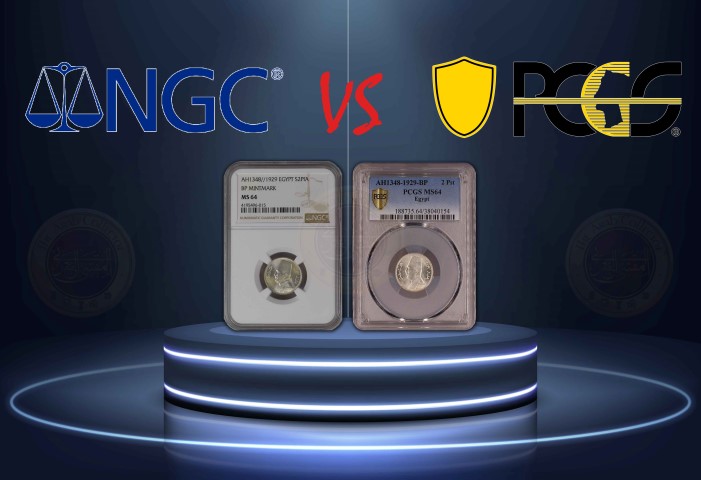
Numismatic experts classify uncirculated coins by considering the concentration and quantity of minor defects. Coin collectors and researchers classify uncirculated coins using a scale called the Sheldon scale, ranging from MS-60 (most defective coins) to MS-70 (perfect coins with no marks). The letters MS here refer to the letter Sheldon. Mint State (Mint State), or as we referred to it in Arabic, “the condition of the mint.” Therefore, this classification is called the assessment of a coin's condition and the description of the ideal grade for defining its status among other coin collectors.
How to identify a non-circulating Ansar currency?
When a coin first comes out of the mint, it displays a brilliance that can only be produced through the minting process. If you hold a coin under a light source and tilt it from side to side and from top to bottom, you will notice that the light will flicker around the coin's surface. This movement of light across the coin's surface is known as the cartwheel effect. All uncirculated coins exhibit this phenomenon. However, it is most easily seen on larger coins and sometimes more difficult to observe on smaller ones.
If a coin does not exhibit the "wagon wheel effect," it has been in circulation and cannot be classified as uncirculated. Next, examine the highest design points. If the wagon wheel effect is evident in the coin's fields but not at the highest design points, numismatists will consider the coin to have been in circulation. The only way to classify a coin as uncirculated is if there is no evidence of wear anywhere on the coin. In other words, the luster is bright and uniform across the entire surface of the coin.
Three tips for identifying uncirculated answer currencies
Research the effect of the wagon wheel
Look at the top design points of the currency
Look for minor damages and defects
Uncirculated currencies and their impact on value
Just like any physical object one can acquire, whether it's a classic car or an antique toy, the better the condition, the higher its value. Determining the grade or condition of a coin is one of the most important factors in determining its price, and therefore, it's one of the most debated aspects of coin collecting. Even a slight discrepancy in grade or condition can mean a very significant difference in price. Because condition assessment is subject to several factors, most notably lighting, experts may assign different grades to the same coin depending on the surrounding conditions. This impact on value takes into account the basic economic laws of supply and demand.
Mints around the world produce millions of modern coins. The quantity of these coins is enormous, and the chances of a coin collector finding an uncirculated coin are relatively certain. Coin collectors haven't acquired many coins from the 19th century and earlier, so the supply of uncirculated coins is limited.
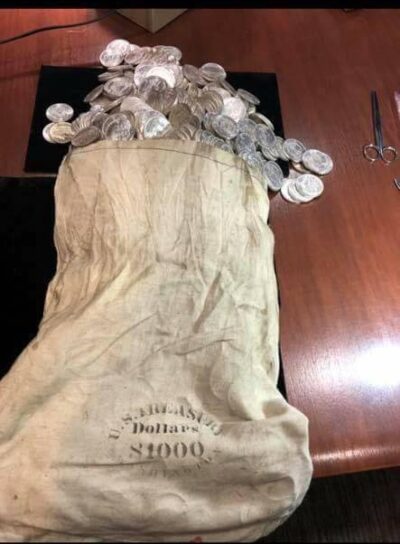
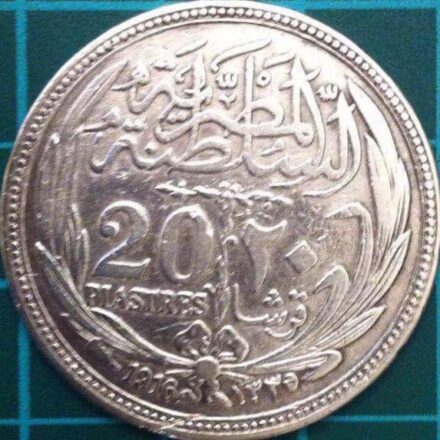
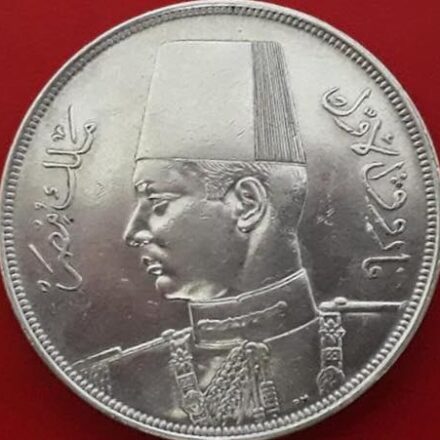
Furthermore, the fact that there are very few examples of a particular coin does not necessarily mean it is of great value. However, beware of coins that may have been tampered with. Unscrupulous individuals attempt to take circulating coins and make them appear uncirculated by harshly cleaning or brushing them. This is a gamble with your money, and we do not recommend buying such pieces. Similar silver coins are sold at the price per gram of silver they contain because they are considered tarnished (see photos).
Acquiring non-circulating Ansar coins
There are many different ways to acquire uncirculated coins for your collection. Modern uncirculated coins can be collected directly from circulation or from coin rolls at your local bank. For older coins, you can purchase them from online stores or by visiting specialized dealers and offices in your country. Acquiring classic, uncirculated coins can be challenging and put a strain on your coin-collecting budget. You will need to purchase these coins from a reputable coin dealer or a trusted online auction.
Depending on the type and date of the coin, uncirculated coins can range in value from a few dollars to several hundred thousand dollars. Uncirculated world or foreign coins can also be purchased by visiting a local coin dealer or through online transactions.
The difference between Ancer coins and Abbott Ancer coins
Abbott Answer is also an Arabicized term derived from the English word About Uncirculated Or as it is abbreviated aUNC This is the next level after Answer in the case of a currency, and it also has levels ranging from 50 to 58 in the evaluation. These will be explained in detail later, but for more information, you can watch an explanatory video to understand the difference between Answer and About Answer levels in the evaluation, which can be found in the relevant article. بCoin valuation and the difference between an Ancer and abot Ancerر
Resources
Arab Collector Magazine Issue number six
For more similar topics, you can follow the Arab collector website via the following link: