The Artuqid state
The Artuqid dynasty, named after Artuq ibn Aksab, from whom the Artuqid or Artuqid dynasty (also known as the Banu Artuq or the Turkmen Banu Artuq) descended, ruled southeastern Anatolia (Diyarbakir and Mardin) and northern Mesopotamia between 1098 and 1232 CE (some branches continued until 1408 CE). Following the Seljuk victory at the Battle of Manzikert, the Artuqids migrated to Anatolia along with other Turkic tribes. The dynasty's founder, Artuq ibn Aksab, was appointed Seljuk governor of Jerusalem and Palestine in 1086 CE. His sons succeeded him in 1091 CE. The Fatimids expelled them from Palestine in 1098 CE. The family fled to northern Iraq and eastern Syria, where they established a new principality.
Suqman (1098-1104 CE) established a branch of government in Diyarbakir and Hisn Kayfa (1098-1232 CE). His brother, Ilghazi (1104-1122 CE), who had held an important position in the Abbasid state since 1101 (governor of Baghdad), established a branch of government in Mardin and Mayyafariqin (1104-1408 CE), and then another branch in Kharput (1185-1233 CE).
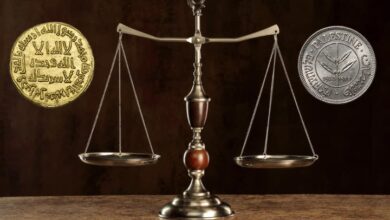
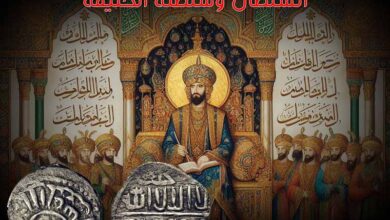
In the early days of the dynasty, the Artuqid state was officially under Seljuk rule, but later placed itself under the authority of the Zengids. True independence was not achieved until the rise of the Crusader states in the Levant. The state reached its zenith under Nasreddin Mahmud (1201-1222 CE) in Diyarbakir. The Ayyubids conquered this branch in 1232 CE, and the Mardin branch was finally brought to an end by the Black Sheep (Karakoyunlu) in 1408 CE. Artuqid coins are distinguished by their highly distinctive artistic design and strong Byzantine and Turkmen influences, as well as their larger size and weight compared to other Islamic coins.