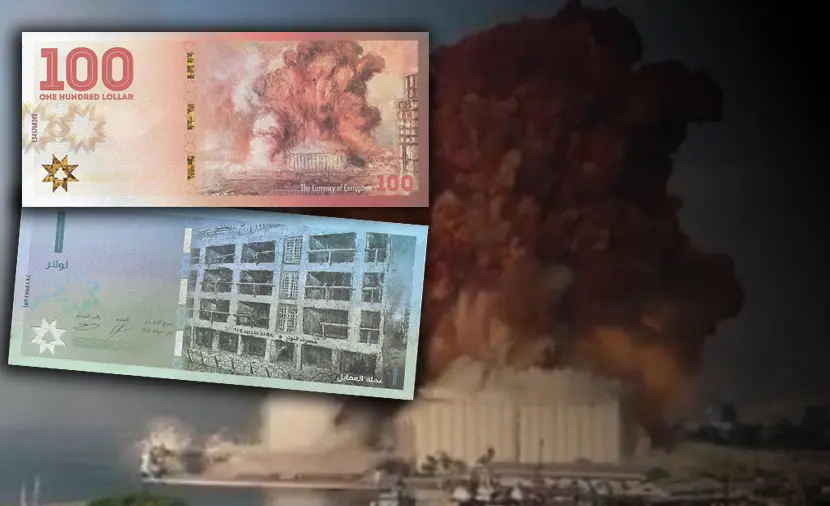
Lolar…the currency of the deeds
The "Lollar" instead of the "Dollar" in Lebanon, a fake currency in protest against the deteriorating economic situation.
parliamentary elections
Two days before the parliamentary elections, the Lebanese Association for Promoting Transparency – No Corruption launched a campaign to urge citizens to use fake banknotes called “Lollar” on May 5, 2022, during a media event attended by representatives of local, regional and international organizations, associations and print and broadcast media.
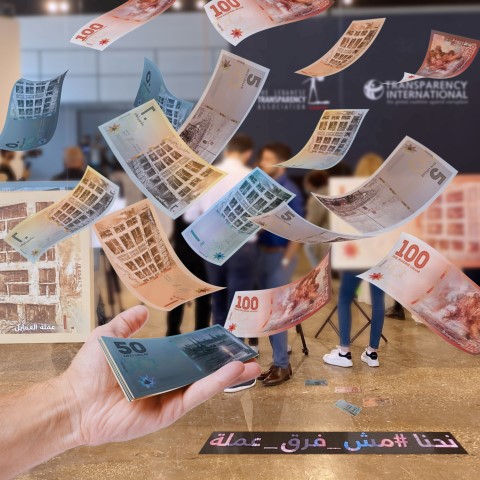
The campaign was launched under the hashtag #WeAre# #NotCurrencyDifference and models of the Lollipop campaign were displayed during the launch for visitors to see.
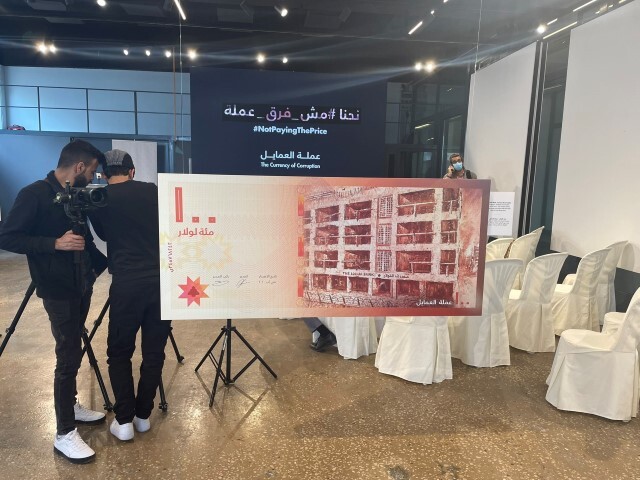
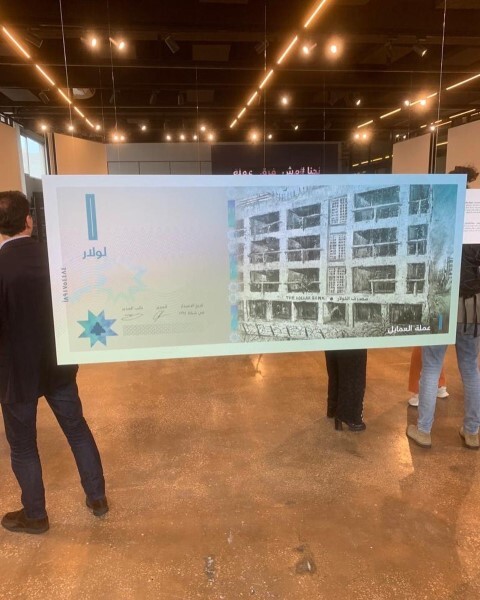
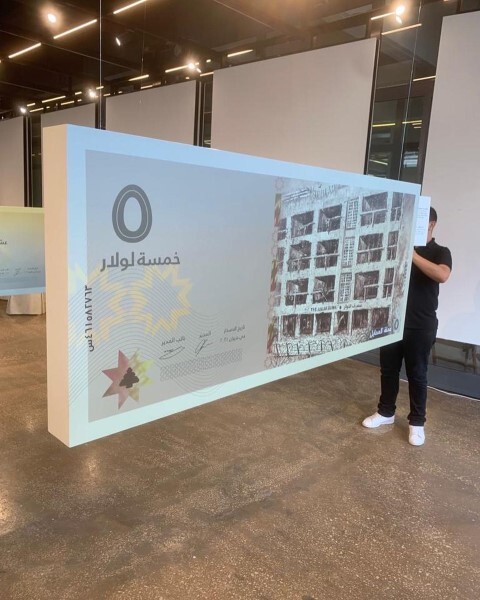
Reject corruption
The “Dollar is the Currency of Corruption” campaign, launched by the Lebanese Activists' Tour Association, targeted three neighborhoods in Beirut and its suburbs. They distributed a fake ATM machine called “Dollar.“Currency of the workers“Which encouraged people to print banknotes and use them for cash payments on May 13.”.
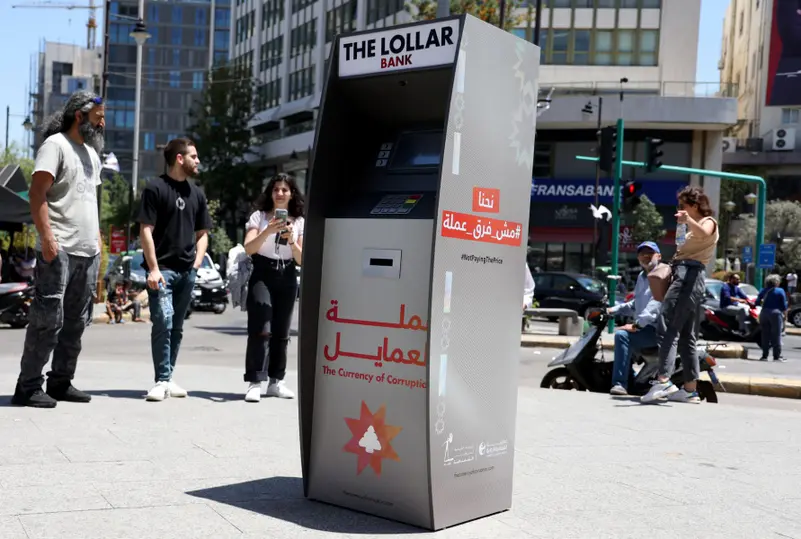
Realistic drawings
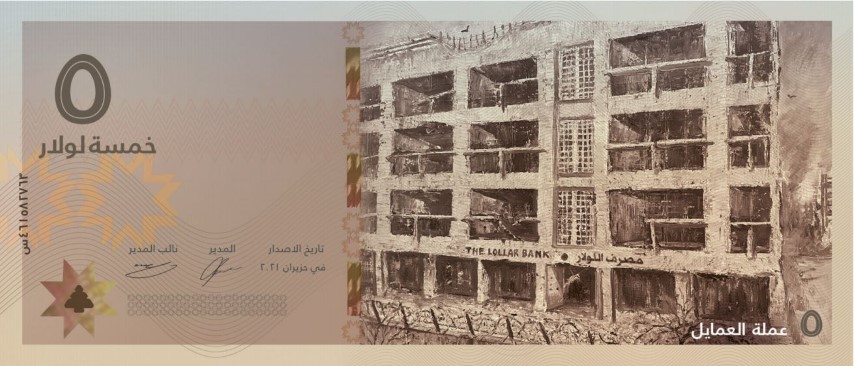
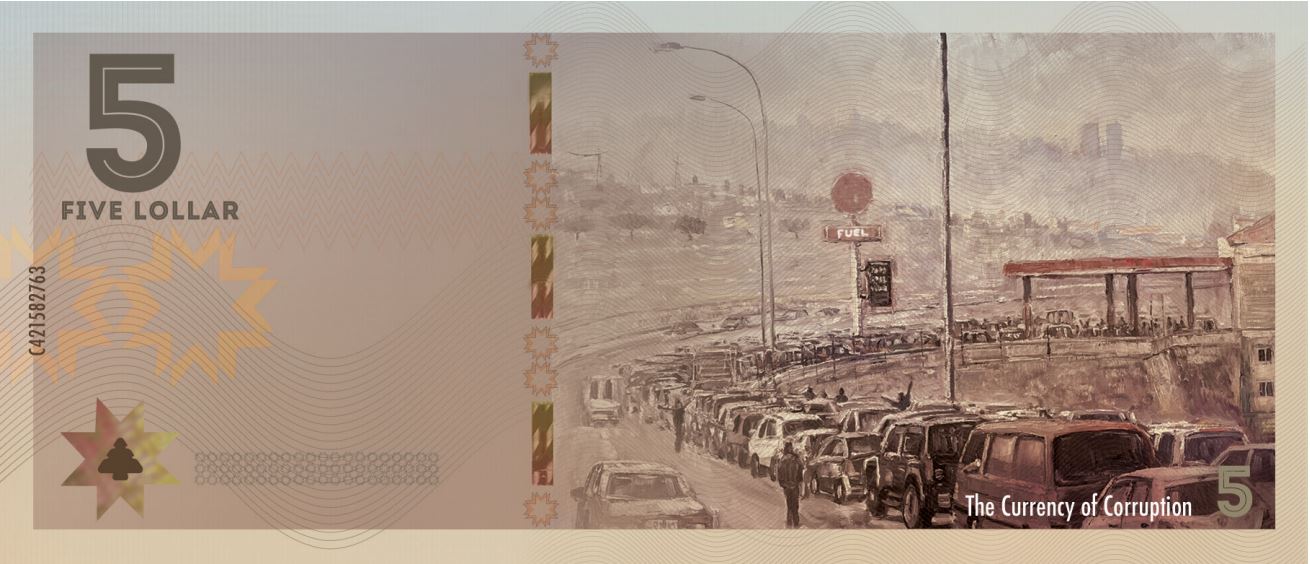
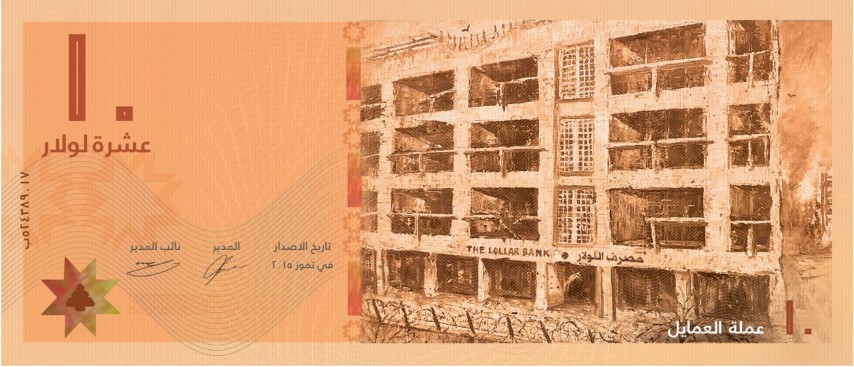
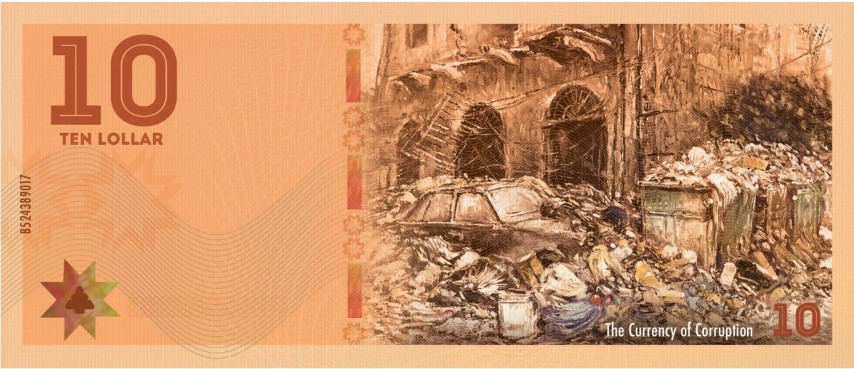
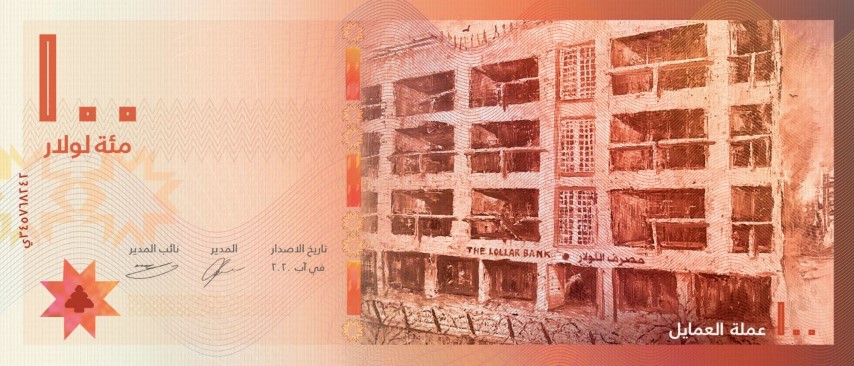
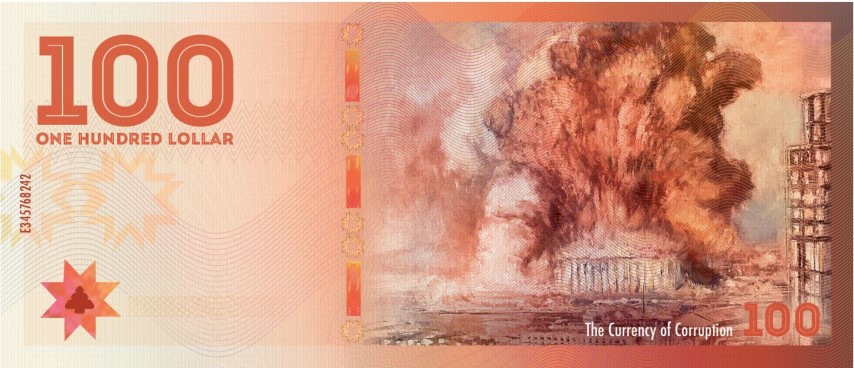
The fake currency, the Lollar, features drawings by Beirut-based British artist Tom Young, inspired by the crises that have plagued the country in recent years, in condemnation of the rampant administrative corruption in the country and to draw international public attention to the situation in the country.
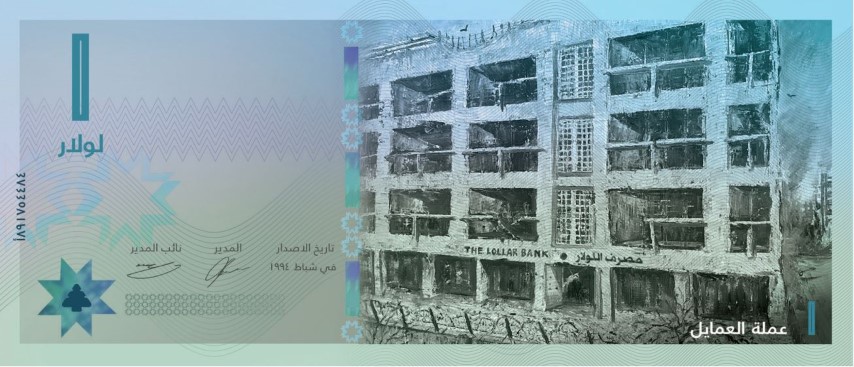
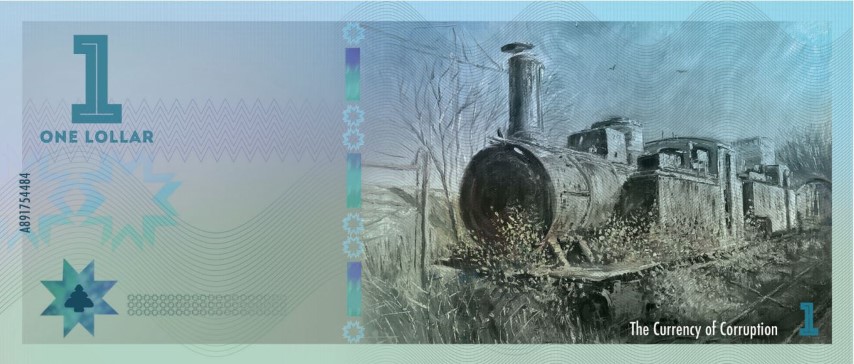
As for the 5 “Lollars”, they symbolize the gasoline cartels and the fuel shortage crisis “after the Lebanese state lifted subsidies on fuel prices and the central bank stopped opening credits due to the dollar shortage, which forced importing companies to ration the distribution of gasoline and diesel to stations and increase prices in an unimaginable way.”
The 10 “Lolar” category symbolizes the landfills that “have exhausted the state budget since it decided in 1994 to contract with specialized companies to take care of the landfill issue. The sea was filled in several times to create landfills, but these solutions were temporary, such as the Normandy landfill, Costa Brava, Burj Hammoud, and Naameh. After the crisis in Lebanon, the landfills were exhausted, the dollar became scarce, the companies withdrew, and there are no sustainable solutions.”.
The 20 Lollipop denomination symbolizes the forest fires and the mismanagement of the civil service during the Lebanese forest fires.
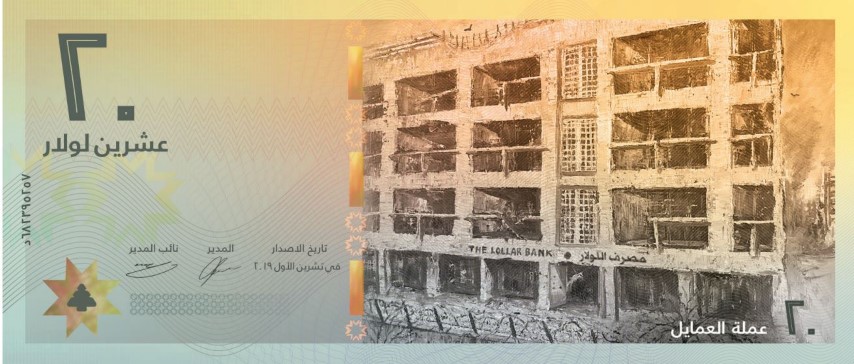
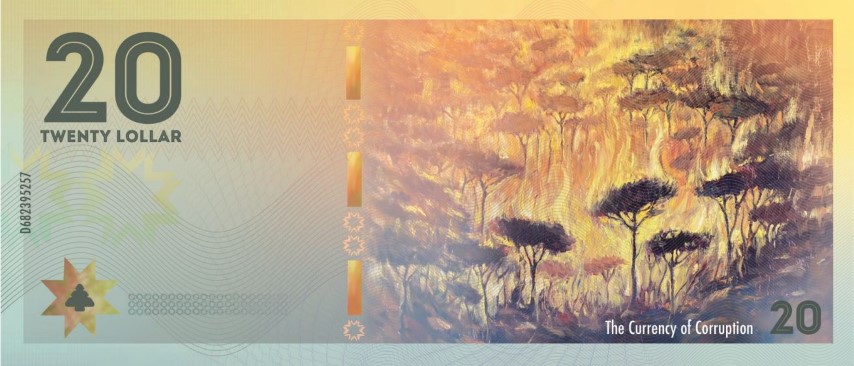
The 50 “Lollar” category symbolizes the Energy Administration, the sector established in 1909 by an Ottoman decision. At that time, many thermal power plants were established, such as the Zouk, Jiyyeh, Tyre, Baalbek, and others. All of them were shut down due to the scarcity of dollars. In 2017, reverse generators were installed in the Jiyyeh and Zouk power plants, which were closed for many reasons, most notably corruption.
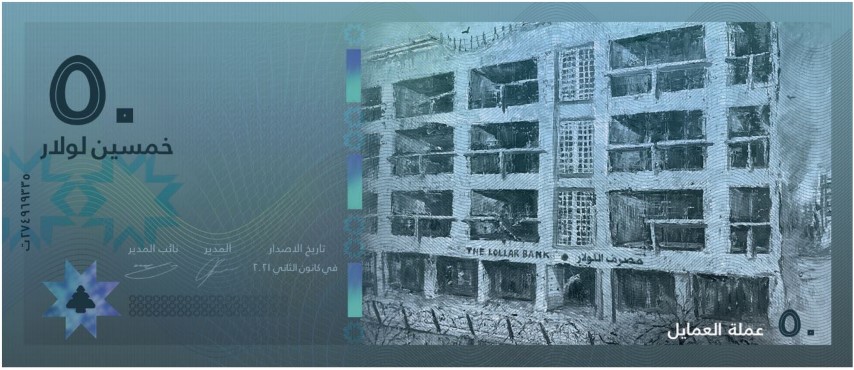
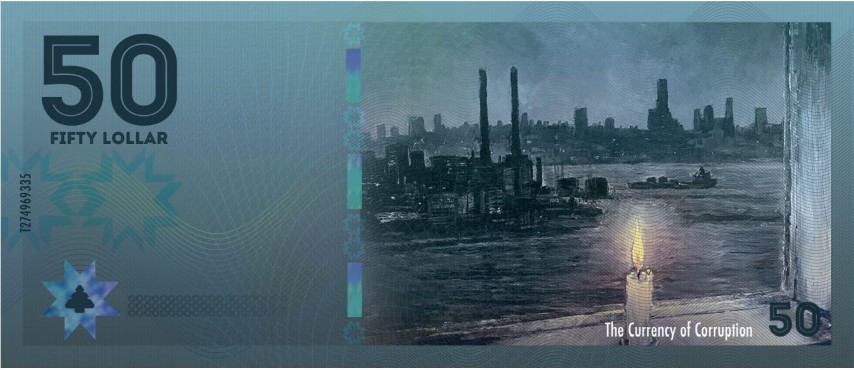
The last category is the 100 “Lollars”, which symbolizes the port administration and the explosion that occurred in 2020, which left 218 dead, 7,000 injured, and about 300,000 displaced, in addition to the severe damage to the port and the city’s suburbs. Administrative corruption in the port of Beirut was exposed, from negligence to deals, bribes, and other things.
You can print the Lollar currency through the association's website. the Link Next: https://thecurrencyofcorruption.com/ar/assets/bills.pdf
Sources:
https://thecurrencyofcorruption.com/ar/
You can follow similar topics on the Arab Collector website through the Link the next
Cinema safety feature