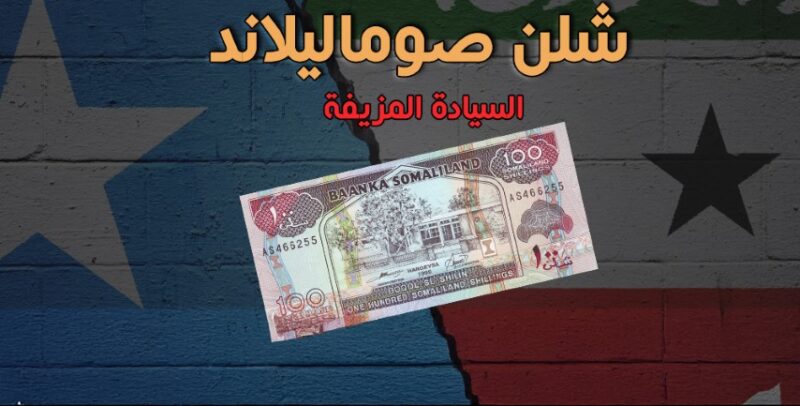
Somaliland shilling… a false sovereignty
Throughout history, currencies have not merely been tools for facilitating trade; they have always been among the most visible and influential symbols of political sovereignty. From ancient empires to modern nation-states, authorities have used currency as a means of asserting political presence and solidifying national identity. The image of the ruler, the name of the state, the language used, religious or national symbols, and even the choice of colors and designs—all these elements carry meanings that extend beyond economics into the political and symbolic realms.
Currency is virtually the only symbol that enters the daily lives of citizens without the mediation of official discourse or educational institutions; it passes from hand to hand and is used in the market, at home, and at work, constantly reproducing the idea of the "state." For this reason, control of the currency has always been one of the first demands of separatist movements or entities seeking independence, as a declaration of... 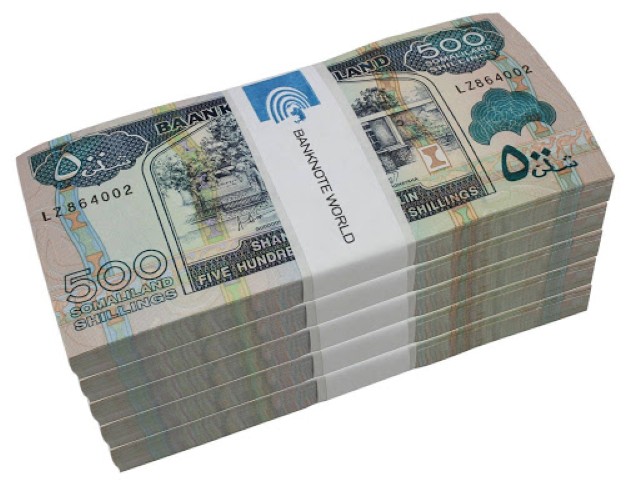 Practically speaking, it's about breaking with the center, and an attempt to formulate a new political consciousness that precedes any legal recognition.
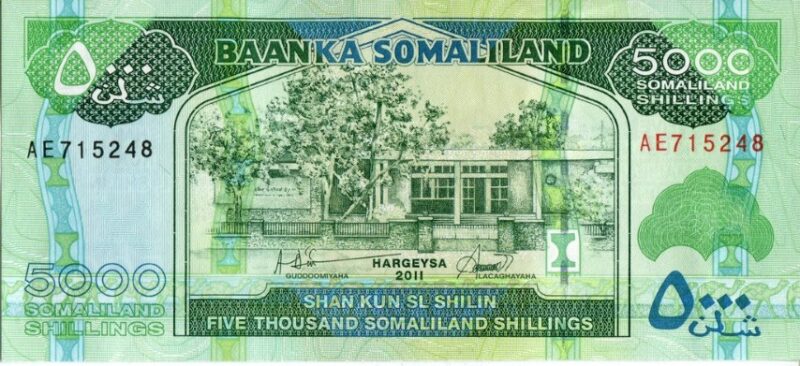
In this context, Somaliland's currency cannot be read (SomalilandThis is not merely a technical or economic measure, but rather part of a comprehensive political project seeking to establish an identity separate from the Somali state and to entrench a separatist reality through everyday symbolic tools, where the banknote takes precedence over the constitution, borders, and international recognition. From this perspective, the Somaliland currency represents a clear example of using currency as a symbolic tool to solidify a separatist project that has yet to gain international recognition.
The shilling as an independent identity
Since Somaliland unilaterally declared its independence from Somalia in 1991, its authorities have sought to build the foundations of a fully-fledged state: a government, a parliament, an army, defined borders, and a national currency, the Somaliland shilling. However, the issuance of this currency was not merely an economic move, but a political message directed both domestically and internationally: We are an independent entity, possessing all the symbols of sovereignty, even if the world does not recognize us.
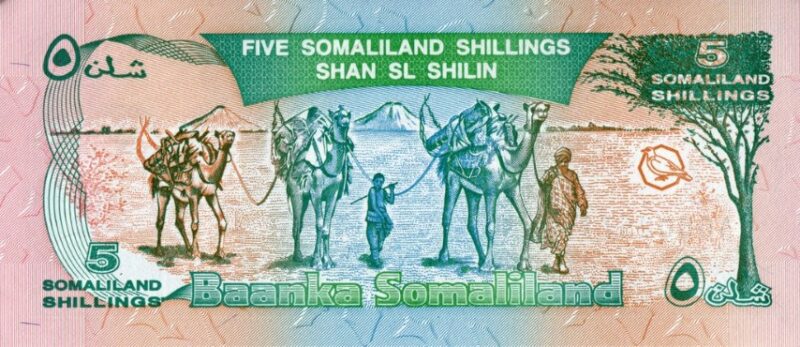
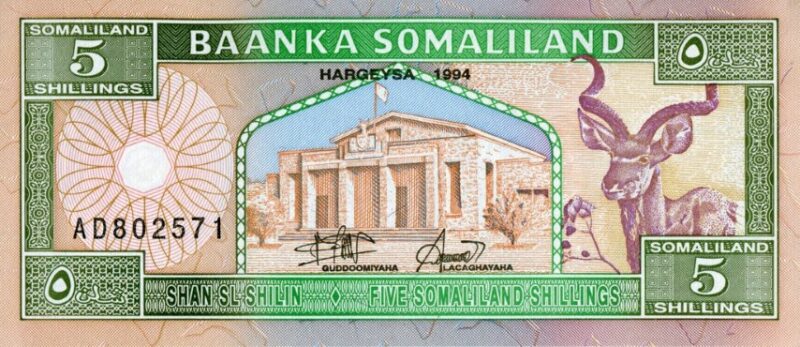
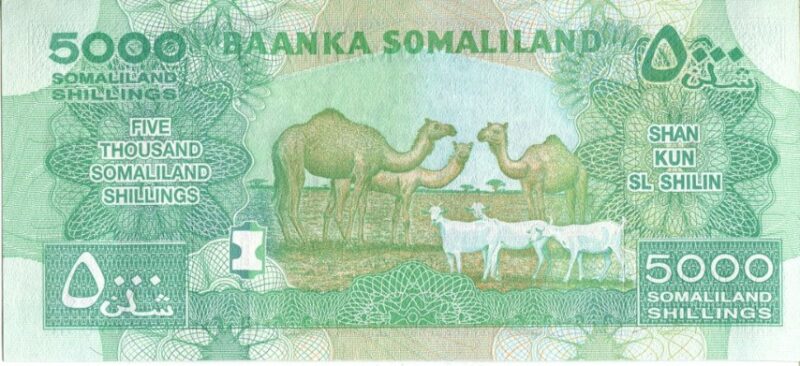
The Somaliland shilling banknotes bear carefully calculated symbols and meanings: maps, local landmarks, national emblems, and inscriptions affirming the name “Republic of Somaliland.” Here, the banknote becomes something of a “portable sovereign document,” passing from hand to hand, daily reinforcing the idea of secession in the minds of the population. The citizen who receives their salary, buys their necessities, and saves their money in a currency different from that of the rest of Somalia is effectively experiencing an economic and psychological separation that precedes any legal separation.
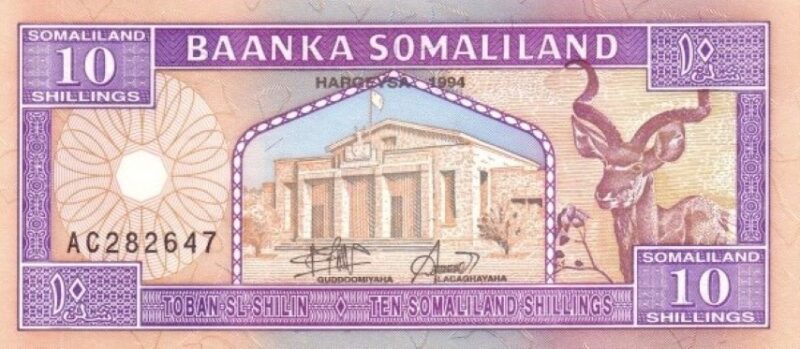
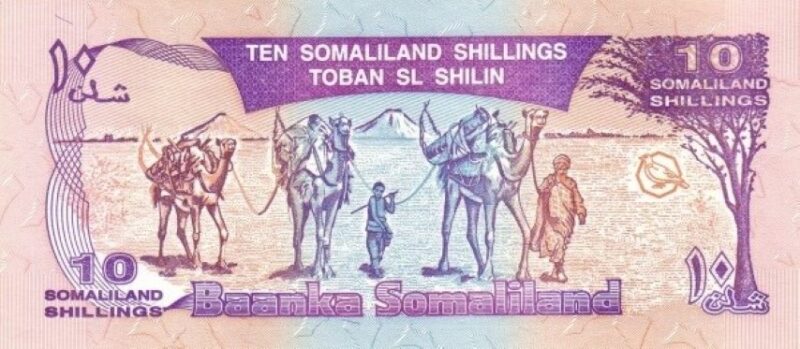
The fragility of the separatist project
Ironically, this currency, despite its high political symbolism, simultaneously reflects the fragility of the secessionist project. The Somaliland shilling is not internationally recognized, is not traded outside the region, and is not subject to any global banking system. Its value is weak, and the local economy is heavily dependent on foreign currencies, particularly the US dollar and the Somali shilling itself. Herein lies the contradiction: a currency that proclaims sovereignty, yet cannot survive without an external monetary framework.
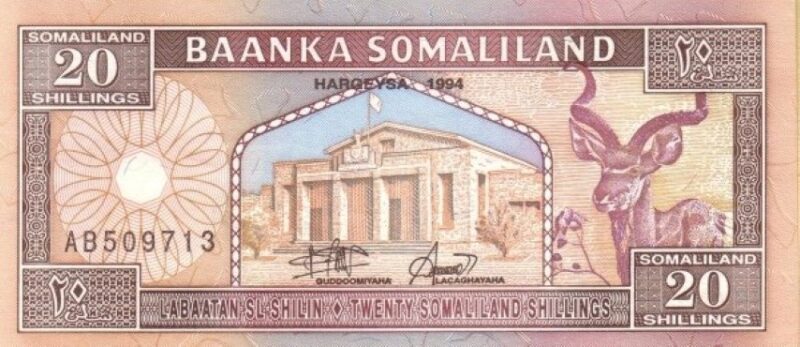
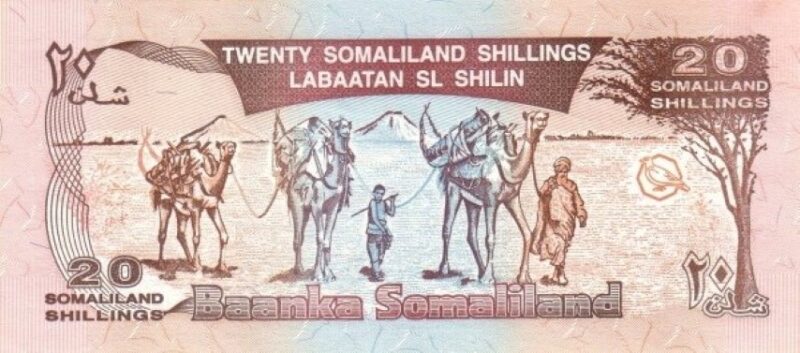
Separatist sentiment, as manifested through currency, is not merely a declaration of a distinct identity, but an attempt to impose a political reality through everyday tools. In Somaliland, currency plays a subtle, mobilizing role; it doesn't fire a single shot, but it reshapes sense of belonging. However, this role remains confined within unrecognized borders, making the currency a powerful symbol domestically, but a weak one internationally.
The currency of Somaliland reveals that secession doesn't begin with political pronouncements or end with maps, but rather seeps into the minutiae of daily life. However, experience also confirms that sovereignty isn't minted on banknotes alone, and that international recognition, economic integration, and regional stability remain crucial elements that cannot be replaced by symbols, no matter how glittering or meaningful they may seem.
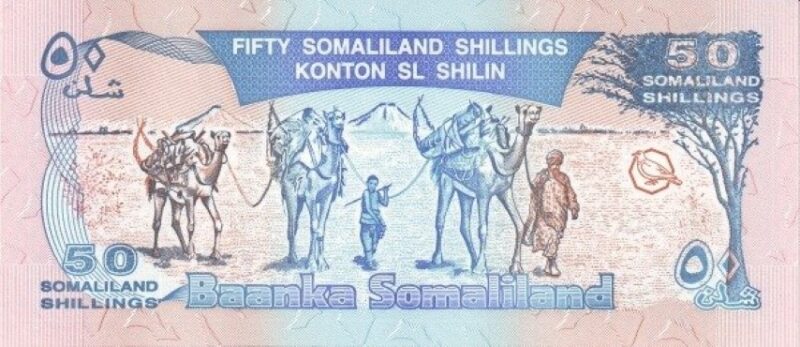
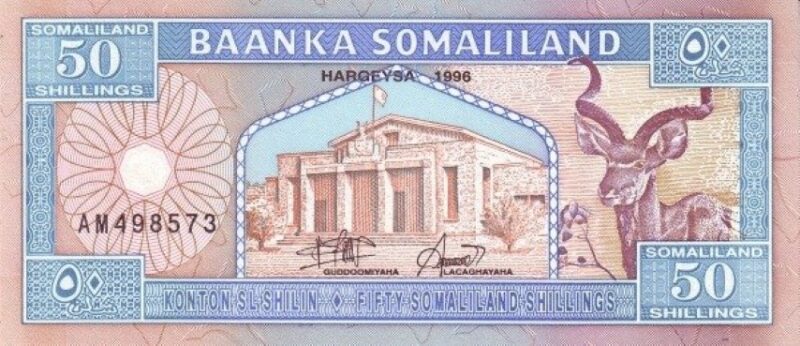
A tool for dismantling the state
The Somaliland experience reveals that when currency is detached from its legal and sovereign context, it transforms from a symbol of the state into a tool for its disintegration. Somaliland's failure does not reflect genuine economic independence, but rather a symbolic separatist tendency that attempts to compensate for the lack of international recognition by creating artificial symbols of sovereignty. It is an attempt to convince its own people of an incomplete reality and to send a message to the outside world that falls on deaf ears.
The danger in this experiment lies not only in the weakness or fragility of the currency, but also in the divisive political project it embodies, one that fuels the fragmentation of Somalia and legitimizes the reality of division under the guise of “local stability.” The currency here does not unify the national market, but rather divides it; it does not strengthen sovereignty, but rather creates a parallel sovereignty without solid international or economic foundations.
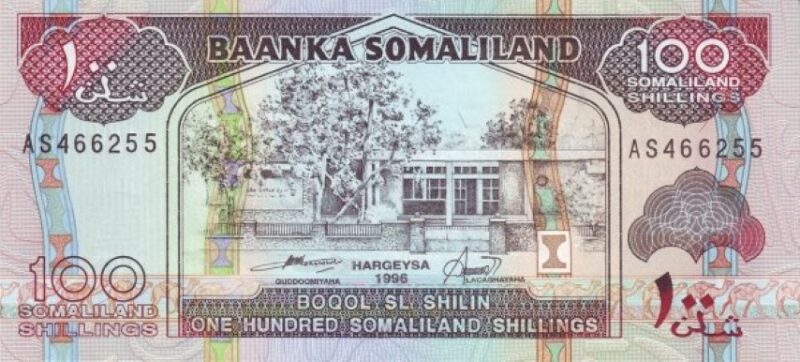
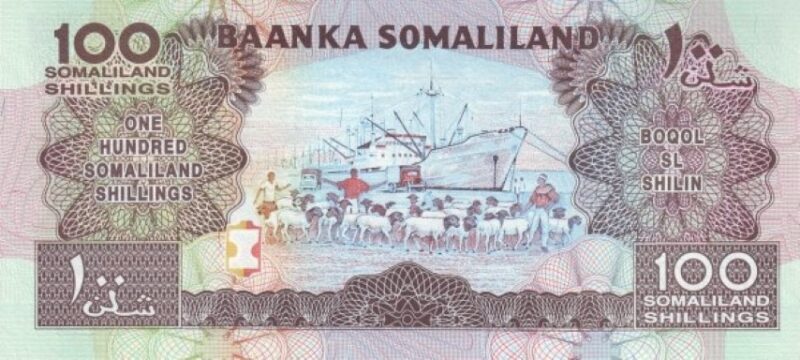
Using money as a tool to solidify secession remains an expression of a profound political dilemma: a true state cannot be built on symbols alone, nor imposed by banknotes that do not extend beyond its geographical borders. Without international recognition, a robust economy, and broad national consensus, a secessionist currency remains little more than a propaganda tool than an expression of genuine sovereignty.
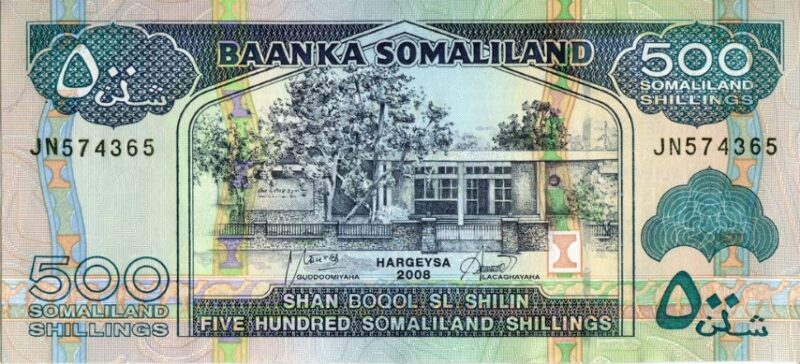
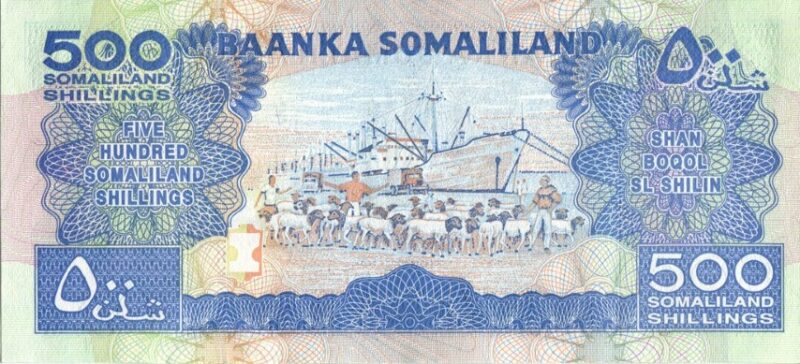
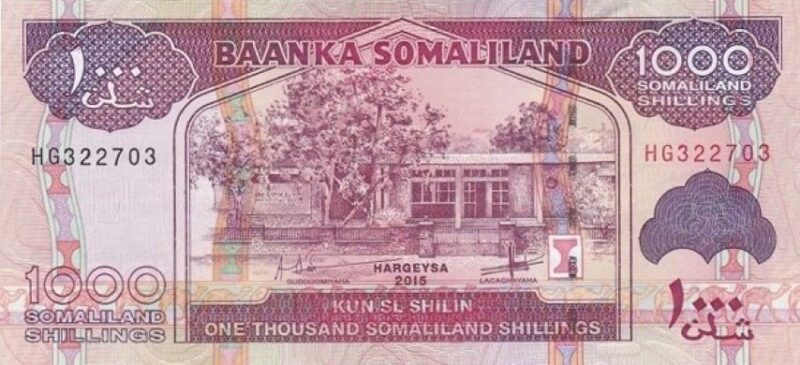
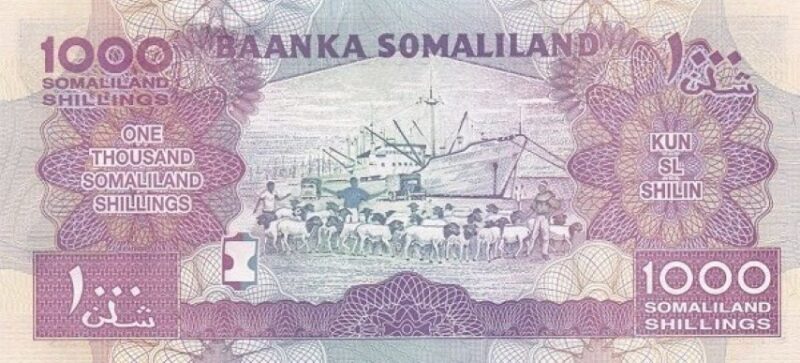
From this perspective, Somaliland's currency represents not so much a victory for identity as it embodies the failure of the secessionist project to transform into a fully-fledged state. It demonstrates how symbols can precede reality, and how sovereignty can be reduced from a political reality to a printed image, used to normalize division rather than resolve it, and to perpetuate fragmentation instead of building a unified nation-state.
Hence, this contribution from the Arab Collector website aims to enrich the intellectual awareness of its readers by offering content that connects history, economics, and political identity, shedding light on issues from unconventional perspectives. By addressing specific topics such as the separatist connotations of Somaliland's currency, it opens the door for readers to gain a deeper understanding of monetary symbols as tools of political expression, not merely as mediums of exchange.
To read similar topics, you can browse the Arab Collector website through the Link the next:
Philatelic Service in East African Countries