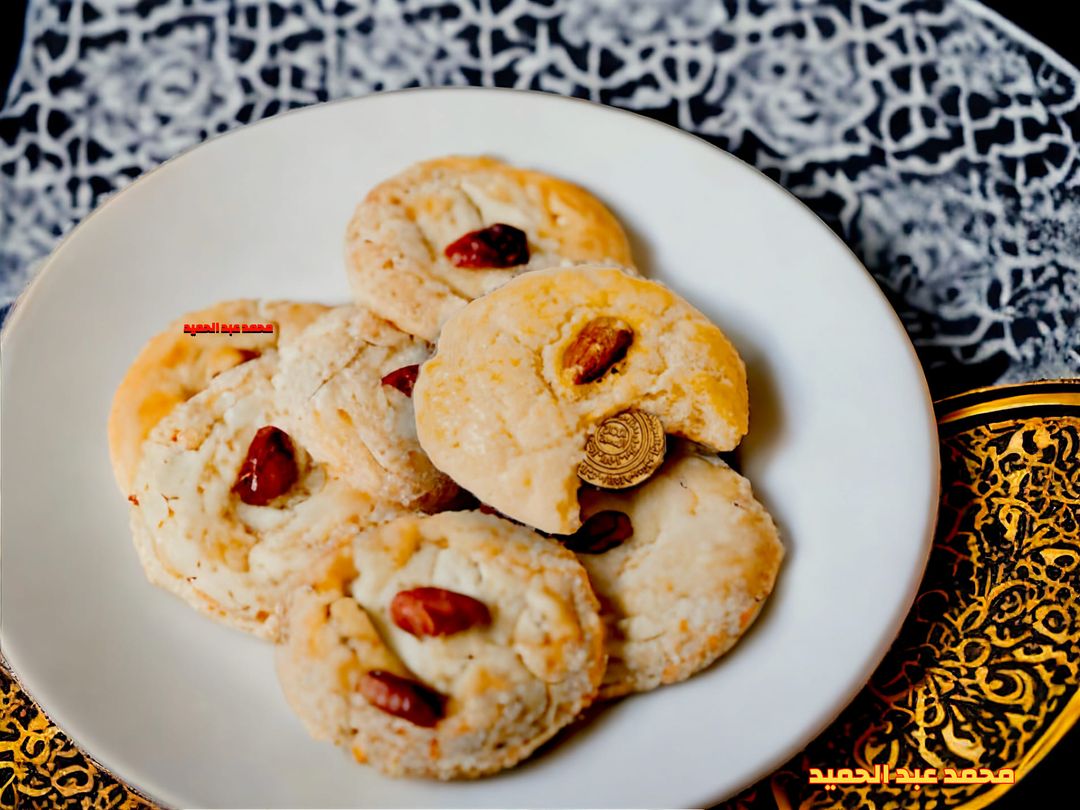
Cookies with dinars
Were there really cakes made with dinars?
The Fatimids established a house in Cairo dedicated to making cakes, which was calledDar al-Fitra It was located next to the Grand Palace opposite Bab al-Daylam – currently the site of the Husseiniya Square – and its mission was to produce large quantities of cakes and sweets that were distributed to the common people and their elite one day before Eid al-Fitr. Among those cakes were some that were stuffed with gold dinars, and this type was called “Pay Attention to It” cakes.”
Gifts of dinars from the Caliphs
The intention here is to warn and draw attention so that no one swallows a dinar with his cake. In fact, the Fatimids were not the first to innovate the practice of stuffing cakes with gold, as the Tulunids preceded them. However, the Fatimid state expanded on this matter and allocated huge budgets for it within complex protocols for official celebrations, which included scattering gold during processions and holidays. Naturally, the residents of Cairo and Fustat were the most fortunate in obtaining gifts from the Fatimid caliphs in the form of cakes, sweets, and dinars.
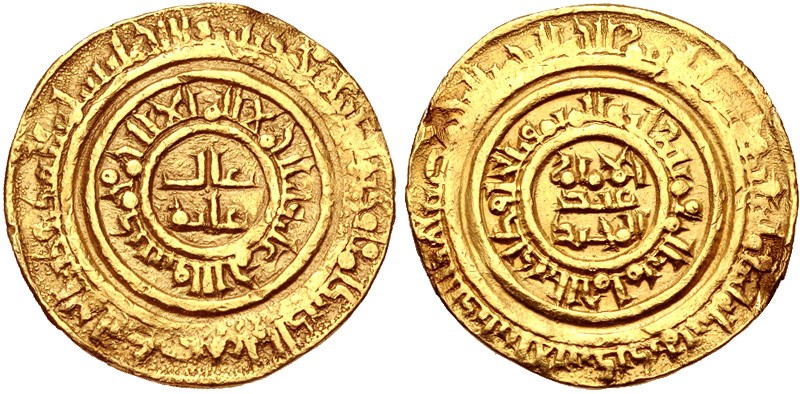
And whoever tells us about Al-Muizz’s sword and gold should add to the list his cakes and sweets. It is enough to know that Dar Al-Fitra in Cairo alone employed more than one hundred craftsmen and consumed more than one thousand ardebs of flour and seven hundred qintars of sugar to make Eid Al-Fitr cakes – this is in addition to the golden filling – so that we may learn through this the nature of the Fatimid propaganda tools that made us, to this day, associate cakes with Eid Al-Fitr. And if our cakes today do not contain gold dinars, we must also be mindful of them because eating too much of them causes intestinal upsets.
For more similar topics, you can browse the Arab collector's website. the Link the next: