The Maqasis…the strange thing about the currency circulating in Egypt
What do you know about the crosses in coins? And when did they appear in Egypt?
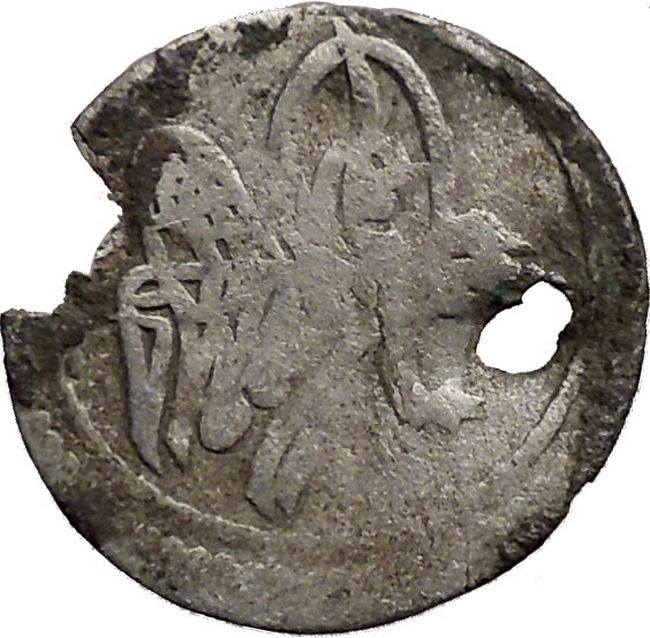
Play with the cut coin until the Diwani comes (1). Perhaps some have heard this authentic Egyptian folk saying before without realizing that behind it is an exciting and strange story at that time about the history of the circulation of money in Egypt during a certain period, as Egypt knew the result of the collapse of the weight and standard of half silver coins starting from the rule of Ali Pasha al-Sufi, who took over the rule of Egypt in 973 AH / 1563 AD and his rule lasted three years (2).
Then, as a result of the financial crisis during the reign of Sultan Murad III, who assumed the caliphate in 982 AH / 1574 AD (3), a strange phenomenon occurred, which was the cutting of half silver and the circulation of these cut halves in the markets. The earliest references to this phenomenon in Egypt date back to 1092 AH / 1681 AD. Al-Jabarti also mentioned that between the years 1108 and 1114 AH / 1697 - 1703 AD, the matter of cut silver became widespread, and the availability of government money decreased. If it was found, goldsmiths would buy it at an inflated price and cut it, thus destroying people’s money.
This act, which reflects the greed and avarice of the Jews who supplied the silver and gold metals to the mint, left its mark on the names of the streets in Cairo, as the name “Atfat al-Saghah” was changed to “Atfat al-Maqasis” because the Jewish money changers cut the silver halves in it, and the new name was repeated starting from the year 1116 AH in the documents of the Sharia court and remained attached to this area until the time of the entry of the French, as some French travelers referred to “Khat al-Maqasis” (4) located in Al-Muizz Street.
 Commercial activities in it were more numerous than ever before, as nine-tenths of the activities of all Cairo merchants and craftsmen were concentrated in it, and each activity was specialized in a part of it. The large fabric trade was concentrated between the Al-Ghouri and Al-Fahhamin markets. As for the goldsmiths“ area, which is the place where they work with the precious metals they make, it occupied a position in the middle of the center, where the money exchange work is also carried out. In the south of the goldsmiths” area there is “Al-Maqasis Alley,” meaning the cut coins, and therefore the place was named Al-Maqasis Alley (5).
Al-Maqasis Street
Al-Maqasis Street is located between Al-Khardajiyah and Al-Jawharjiyah. Al-Maqasis Street ends at the Jewish Quarter and at Khan Abi Taqiyah Street. At its beginning is the Mahmal Taghri Bardi Mosque, also known as Al-Maqasis Mosque. It is one of the old mosques and has two fountains, one of which is an endowment of the two holy mosques and the other was an endowment of Muhammad Bek Taghri Bardi. It also has several commercial agencies (6). .
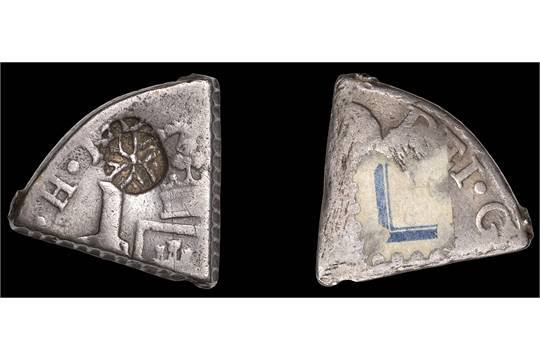
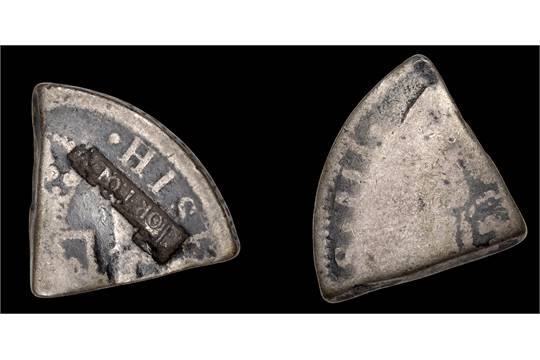
It is also noted that during the reign of Sultan Abdulmejid I, who assumed the Caliphate in 1839 (8), the Ottoman state issued silver riyals in an attempt to halt the influx of heavy European silver coins into Eastern markets. Interestingly, Ottoman silver coins were always vulnerable to counterfeiting by "zaghliya" or currency forgers after the copper coins became obsolete. Furthermore, money changers once again cut the silver halves into smaller pieces as silver prices rose, leading to the emergence of the "cut halves" as opposed to the full or "diwani" halves.
The Jews in the goldsmiths' quarter of Cairo were once again the originators of this monetary innovation to achieve a balance between the intrinsic value of the halves and their purchasing power. This procedure left an indelible mark on popular memory, as the Egyptian proverb says, ”Play with the cut-off until the Diwani comes to you” (9). Ahmed Taymour Pasha mentioned in his book, “Popular Proverbs,” p. 39, in his explanation of the origin of this proverb, that what is meant by “cut-off” is the dinar from which something is cut, and a person should be content with it as long as he does not find anything else until the full Diwani dinar comes to him. However, the events of history confirm that what is meant by “cut-off” is the half silver that is deficient, and the full one is the Diwani, as there is no mention of Diwani dinars in the historical sources or documents (10).
Al-Maqasis Street – also known as the Jewelers' Agency, located in the Jewish Quarter and Al-Gamaliya district of Cairo – is now considered one of the most expensive streets in the Jewish Quarter, despite being only 100 meters long and containing about 50 shops. Prices start at 225,000 Egyptian pounds per square meter, with shop sizes starting at 10 square meters. Al-Maqasis Street is famous for its wholesale gold trade and is home to some of the most renowned goldsmiths in Egypt, including Emile Zaka, Anton Raouf, Murad Shafiq, Hassan Nassar, and Malak and Bushra (11).
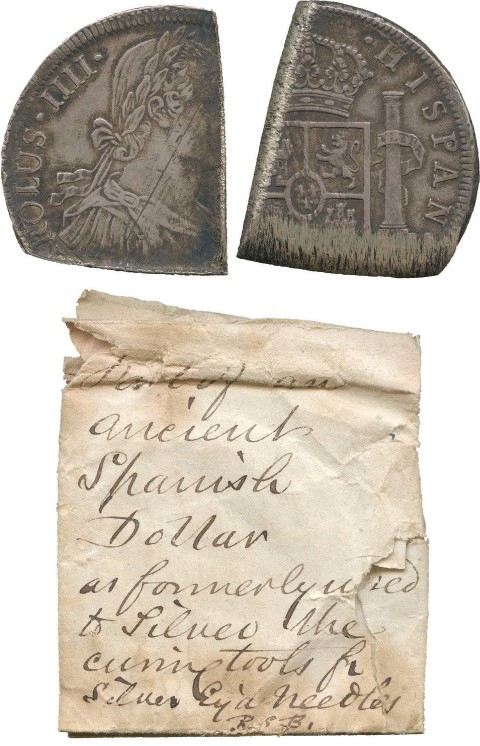
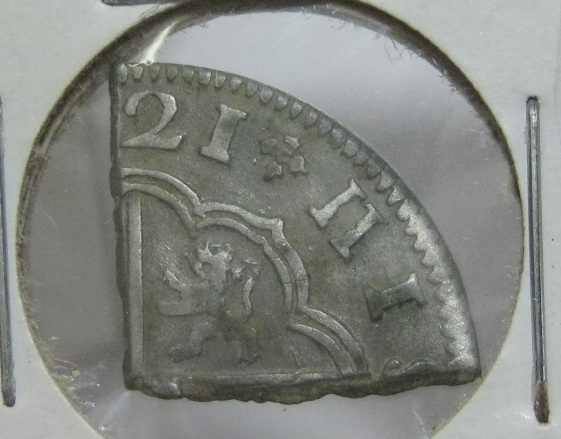
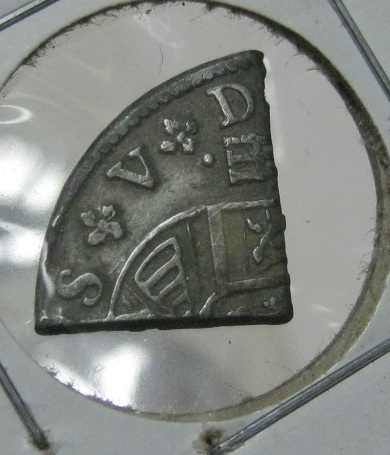
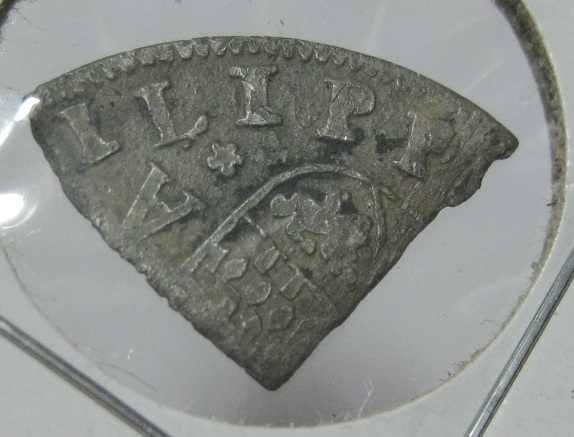
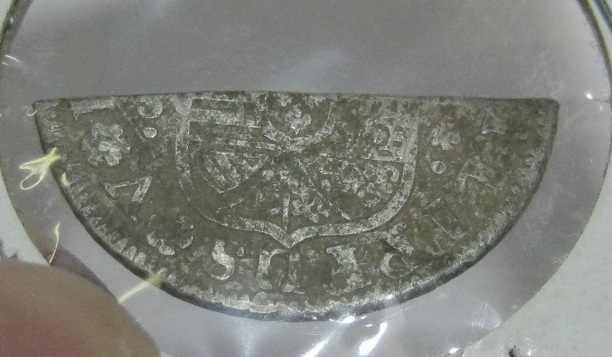
It is likely that the phenomenon of cutting coins entered Egypt at the hands of some Jews who came to Egypt from Europe, especially from Spain and North Africa, as many European and other countries witnessed this phenomenon, which is evident from what is published in many international websites specializing in the field of old European coins (12), which show that this phenomenon has an extension and was not a coincidence in Egypt (13), but rather came as a result of the exploitation by a group of people with interests of the dire economic situation that Egypt experienced during a period of history.
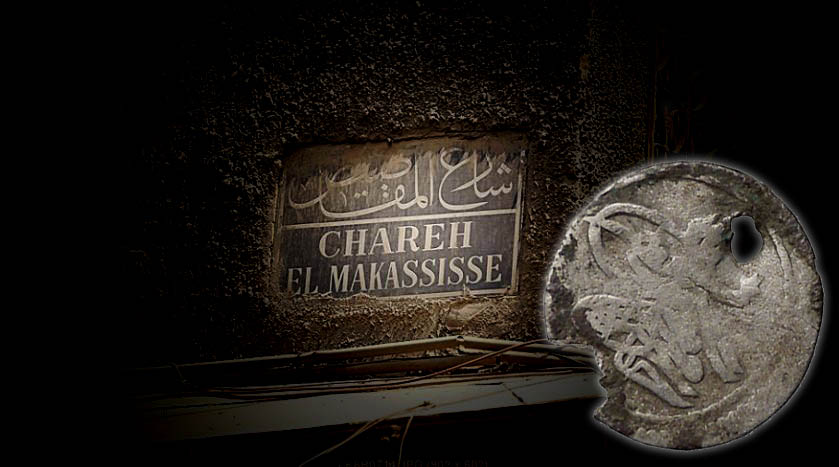
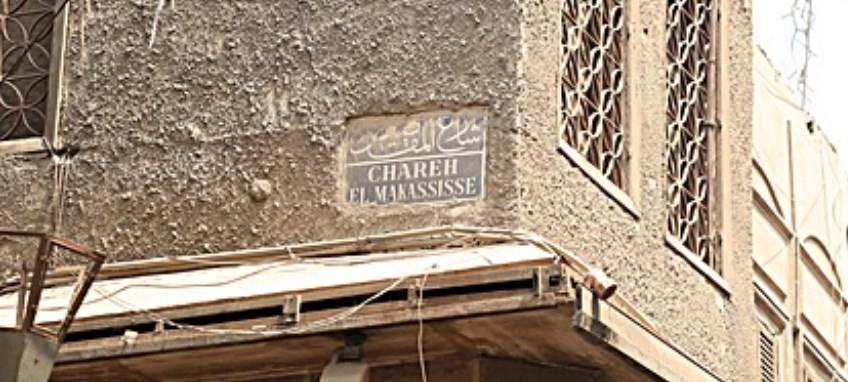
The attached images in the report show some European coins that were also subjected to the phenomenon of cutting during a period of history. A sign bearing the name of Al-Maqasis Street, the location of that strange phenomenon witnessed in Egypt, is also shown. Finally, perhaps the coins known as Al-Maqasis were, at one time, non-circulating and a cause of successive economic crises, but they now remain as rare pieces about which we know nothing. We all wish to own some of them or at least see them, especially since the images of those coins circulating in Egypt are few and not enough to shed more light on that phenomenon.
Sources: