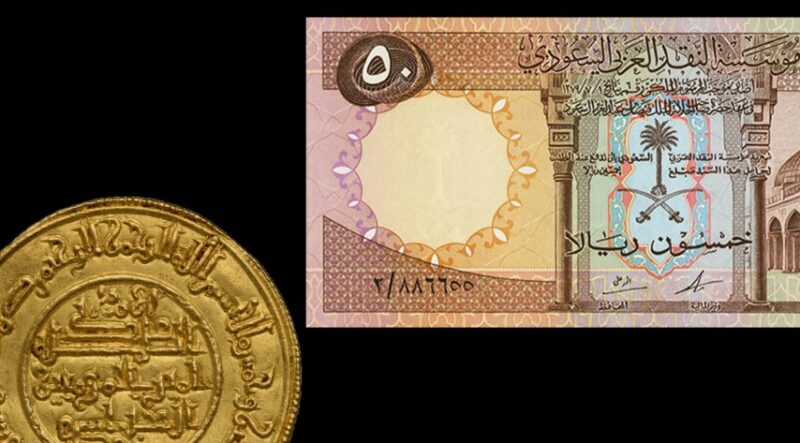
Monetary History
introduction
Monetary history studies the evolution of money as an economic and sovereign tool that has played a pivotal role in organizing societies and building states. This field not only traces the forms of money over time but also examines the monetary systems behind them, the relationship between political power and the economy, and how money has reflected a state's stability or crises.
Monetary history is one of the key to understanding economic and political transformations, as money is one of the most widespread and influential official tools in daily life.
Definition of Critical History
Monetary history is the study of the development of means of exchange and monetary systems from ancient times to the modern era, with an analysis of their economic roles, political functions, and sovereign implications.
This field does not view currency merely as a physical substance, but as a direct product of authoritarian and legislative decisions that reflect the nature of the ruling regime and its level of institutional development.
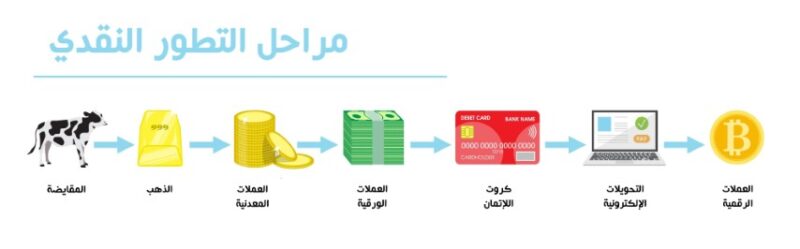
Stages of Critical Development
The monetary system has gone through several successive historical stages, the most prominent of which are:
- The barter stageEarly societies relied on the direct exchange of goods, with the accompanying organizational difficulties.
- Coinage stageThe emergence of coins minted from precious metals, linked to political power, and expressing sovereignty.
- Paper money stageThe transfer of confidence from the value of the metal to the value of the issuing country.
- The stage of modern monetary systemsThe establishment of central banks, regulation of issuance, and linking monetary policy to the macroeconomy.
These stages reflect the evolution of the concept of trust, from trust in material things to trust in the institution.
Critical history and sovereignty
Currency is one of the most prominent symbols of sovereignty, as its issuance clearly signifies a state's independence and its ability to manage its economy. Monetary history reveals that:
- Currency stability is linked to the stability of the government.
- Monetary changes often accompany political transformations.
- Monetary crises are indicators of economic or administrative imbalances.
By studying monetary issues, one can trace the stages of strength and weakness in the history of nations.

Critical history as a historical source
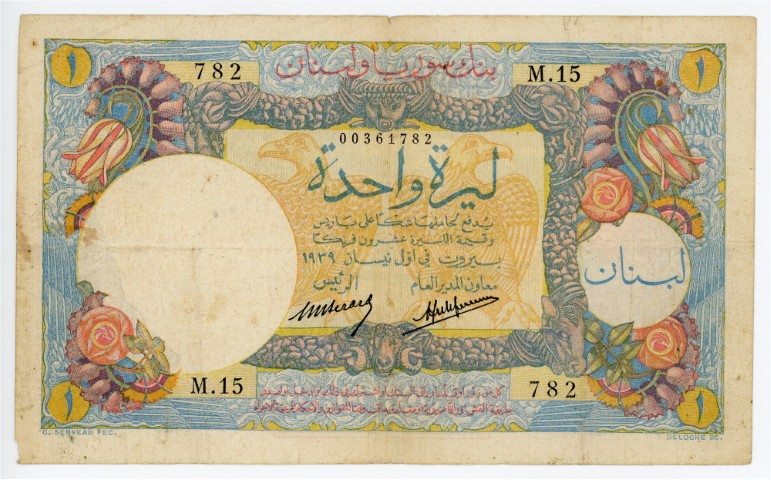
Money, both metal and paper, is used as documented historical sources because of the information it contains:
- Clear dates
- Names of ruling authorities
- Official symbols and logos
- Specific economic values
These characteristics are of particular importance in periods when other written documents are scarce.
Relationship with other reference sciences
Critical history is linked to several fields of knowledge, most notably:
- Numismatics
- Notaphily
- Economics and Monetary
- Political history
- Documentation science
This overlap contributes to a deeper understanding of the structure of the state and the economy throughout the ages.
Critical history in the Arab world
The monetary history of the Arab world reflects major transformations, from the use of foreign or imperial currencies to the establishment of national monetary systems after independence. These transformations are indicative of the building of the modern state, the establishment of central banks, and the consolidation of economic sovereignty.
Arab currencies, both metal and paper, constituteArabic stampsKey sources for studying this pivotal period of modern history.
conclusion
Monetary history provides an analytical framework for understanding the relationship between money, power, and the economy. By studying the evolution of monetary systems, political and economic history can be reinterpreted from a documented institutional perspective.
Treating money as historical sources, not just as means of exchange, opens up broader horizons for understanding the trajectory of states and societies, especially in the modern Arab context.
“The study of monetary history provides us with the general context for understanding the emergence of states, but to grasp the technical and documentary details of each stage, we invite you to explore our specialized fields of numismatics for the study of metal currency, and notaphily for understanding modern monetary transformations, or consult our comprehensive guide on The difference between numismatics, stamps, and paper currency.”