
The history of the Arab postal service is an important part of studying the development of postal and administrative systems in the Arab world, reflecting the methods and techniques Arabs used to transmit messages and organize communication between regions and countries throughout the ages. This history demonstrates the development of administrative institutions and the political and social influence of the postal system.
This article discusses the stages of development of the Arab postal service, the most important correspondence, and the impact of postage stamps on the system, with a focus on the links between the postal service, national identity, and sovereignty.
The comprehensive development of the postal service
The history of the Arab postal service, with its unique characteristics, saw communication systems undergo significant developments. These began as a pressing military and political need for ancient civilizations such as the Sumerians, Egyptians, and Persians. The concept evolved from a simple "messenger" to a massive institutional system like the Roman Cursus Publicus, paving the way for the emergence of the Arab "Diwan al-Barid" (postal bureau), which drew inspiration from and further developed these systems. Along with this administrative development, the following emerged... Stamp science As a tool for documenting this history, the stamp is not merely a means of payment, but an official document that records political transformations, currency changes, and geographical name changes through “historical seals”.
The beginning of postal services in the Arab world
The postal service in the Arab world began during the Islamic era, with the establishment of official institutions to transmit messages between caliphs and governors, relying on various means of transport such as camels and horses. The postal service served to ensure the delivery of official orders and messages between different administrative centers and to maintain control over distant regions.
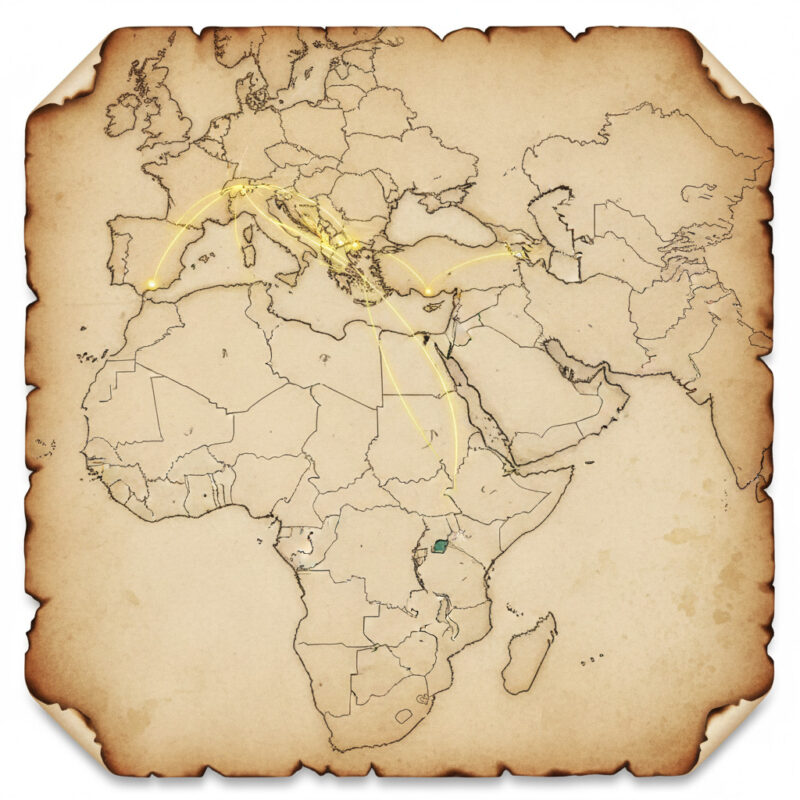
Arab postal service in modern times
During later periods, especially in Ottoman eraThe Arab regions were integrated into a wider postal network, and Ottoman stamps and some local issues were used. After the arrival of colonial powers, the postal systems were modernized to conform to the standards of foreign administrations.

The development of the postal service after independence
With independence, Arab states established national postal administrations and issued stamps reflecting national sovereignty and cultural identity. This included:
- Improving internal and external mail networks
- Developing transportation and delivery methods
- Regulating and standardizing postal fees
This period is considered one of the richest periods for studying the Arab postal service because it represents the transition of the system from colonial tools to an organized national administration.

Arab postage and postage stamps
Arab stamps are directly linked to the development of the postal service; they are not only a means of payment, but also documentary documents that demonstrate:
- Release dates and distribution locations
- Symbols and national sovereignty
- Actual uses on correspondence
Studying stamps allows for a complete understanding of the Arab postal process.
Historical significance
The importance of studying the history of Arab postal services lies in:
- Understanding the evolution of administrative institutions
- Tracking the development of communication between regions
- Study of political and social transformations
- Obtaining accurate historical sources from letters and postal seals
conclusion
The history of the Arab postal service is a vital record of the development of administrative and political systems in the region. By studying mail and its associated stamps, one can gain a comprehensive understanding of the history of the state and grasp the relationship between national sovereignty and administrative communication.