
What is the science of postage stamps?
introduction
Philately is a specialized field of study that examines the postal system as an administrative and organizational institution, focusing on its tangible postal materials such as stamps, envelopes, letters, postmarks, and seals. This discipline goes beyond simply collecting or classifying stamps; it analyzes the function of the postal service and its role in communication, administrative organization, the economy, and nation-building.
This article aims to provide an accurate definition of philately, explain its scope and methodology, and clarify the fundamental difference between it and stamp collecting, while shedding light on its origin, development, and research importance, especially in the Arab context.
Definition of philately
Philately is the scientific and systematic study of postal systems, including stamp issuance, duty rates, mail routes, transport and distribution systems, and the legislation regulating them, through the analysis of postal materials as historical sources and administrative documents.
In this context, the postage stamp is not an end in itself, but a means to understand the system that produced and used it, and what it reflects in terms of political, economic, and social reality.
Origin of the term (Philately)
The term Philately appeared in 1864, coined by the French writer Georges Herpin. It is a compound term made up of two Greek words:
• Philos (φίλος): meaning love or care
• Ateleia (ἀτέλεια): meaning exemption from fees or taxes
The term literally means “love of what is exempt from fees,” referring to the postage stamp as proof of prepaid postage, which constituted an administrative revolution in modern postal systems.
This linguistic origin reflects the functional nature of philately, which is linked to postage and administrative organization, not to mere acquisition.
The difference between philately and stamp collecting
Philately and stamp collecting are often confused, despite their fundamental differences in purpose and method:
stamp collecting
- It focuses on character as a piece
- It focuses on scarcity, condition, and market value.
- It relies on indexes and classifications
- Its purpose is acquisition or investment.
Stamp science
- It focuses on the postal system.
- It studies the actual use of stamps and postal materials
- It analyzes fees, routes, seals, and legislation.
- Its goal is historical understanding, documentation, and analysis.
Stamp collecting is concerned with the stamp itself, while philately is concerned with the postal system that produced and used the stamp.
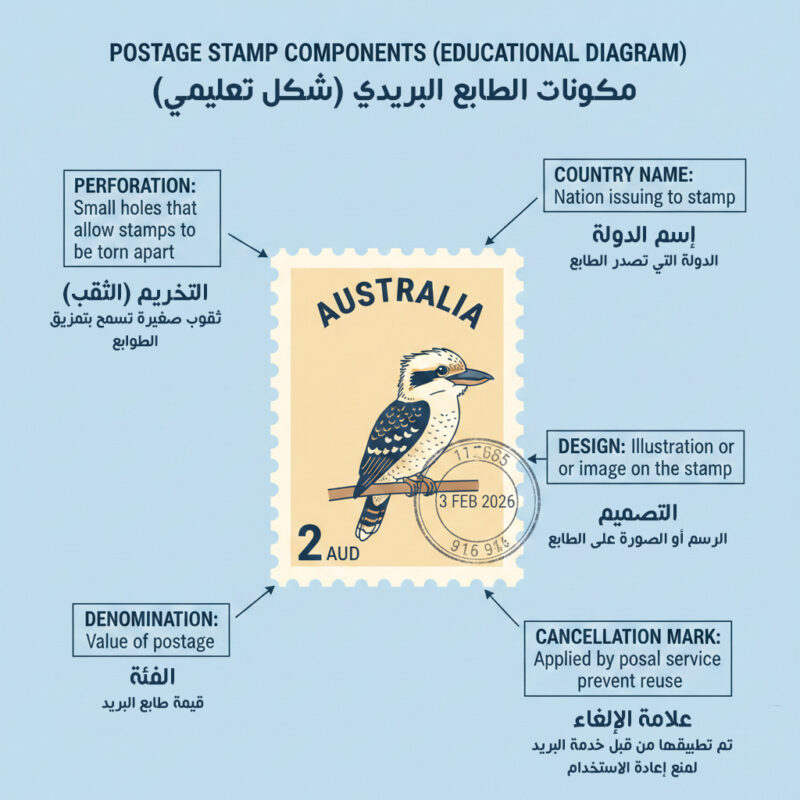
Fields of Philatelic Science
Philately encompasses a wide range of disciplines, most notably:
- Postal History: The Evolution of Postal Institutions and Methods of Letter Transmission
- Rates and Tariffs Studies: Analysis of Postage Rates and Their Changes
- Postal uses: A study of messages actually circulated
- Postal marks and seals: their functions, types, and meanings
- Official mailing lists: their context and objectives
- Military and diplomatic mail
- Mail during periods of political transition
Scientific and historical importance
The importance of philately lies in the fact that:
- A source for documenting administrative history
- A tool for understanding communication networks within and between countries
- Witness to sovereignty and political legitimacy
- A reference for studying economic and organizational transformations
A postal letter stamped with a specific date and route may reveal what official documents do not.
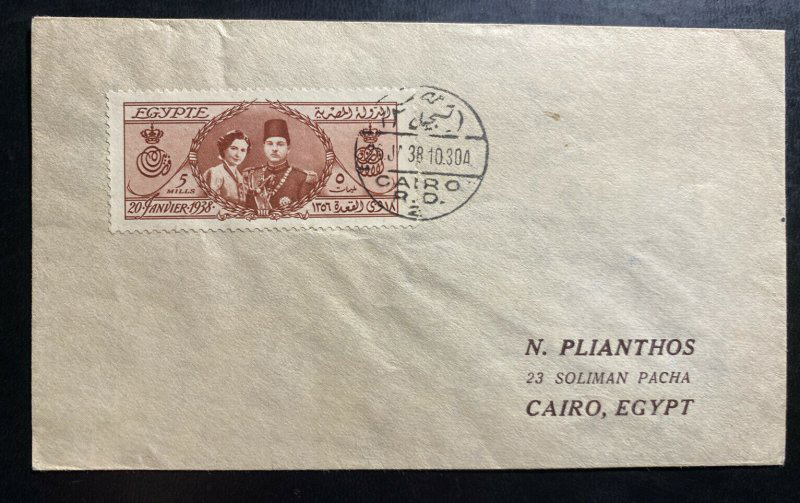
Philatelic science in the Arab world
Philately in the Arab context is a rich field, but its academic reach remains limited. Arab stamps and postal materials document:
- The emergence of modern states
- Mandate and Independence Periods
- Evolution of postal administrations
- political and economic transformations
This field represents a great research opportunity to reread Arab history through documented material sources.
The relationship between philately and numismatics
Philately is closely related to NumismaticsThe two fields share the following characteristics:
- Using physical materials as historical sources
- Study of official publications
- Analysis of symbols and sovereignty
- Documentation of economic and administrative systems
However, philately focuses on Postal and communication servicesWhile numiology focuses on Money and financial systems.
The relationship between philately and other sciences
Philately is linked to several fields of knowledge, including:
- History
- Geography
- Economy
- Management science
- Documentation and Archiving Science
It is therefore an interdisciplinary science, inseparable from the general context of humanities studies.
conclusion
Philately is not a hobby, but an independent field of study that examines postal systems as a cornerstone of administrative organization and communication in modern societies. Through the analysis of stamps and postal materials, this discipline offers a detailed understanding of the history of nations, their movements, and their connections with the world.
Reinstating the study of postal philately, especially in the Arab world, is a necessary step to preserve administrative and historical memory, and to provide alternative sources for understanding the past with a documented scientific approach.
References
The difference between numismatics, philately, and paper currency

 EN
EN  AR
AR