Egyptian brands and coupons
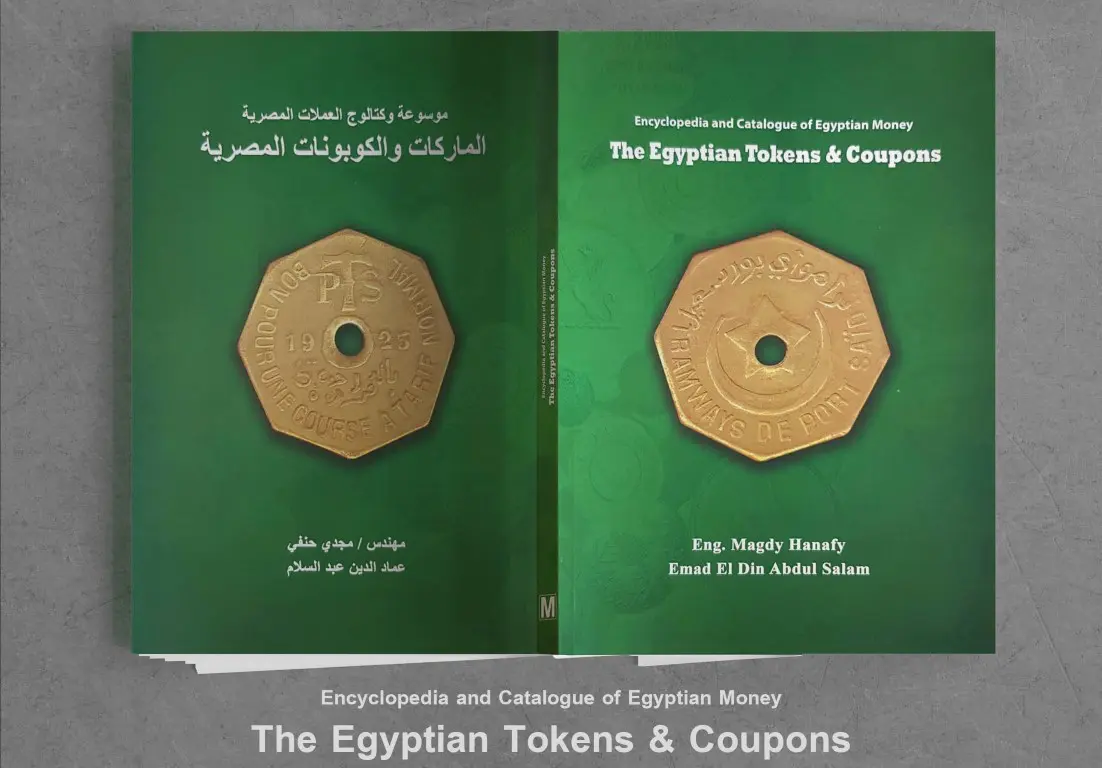
The fourth part of the Encyclopedia and Catalog of Egyptian Currencies by Engineer Magdy Hanafi, entitled ”Egyptian Marks and Coupons,” was recently published. The book consists of fifteen chapters, and we will try to give you a brief overview of the chapters of the book.
About the Encyclopedia
It is Encyclopedia and Catalog of Egyptian Money A comprehensive series of books documenting Egyptian coins and banknotes, published by engineer Magdi Hanafi, to compile information pertaining to modern Egyptian currency, both metal and paper, and considered the largest encyclopedia It is a specialized scientific work in the world of Egyptian currency, in which Engineer Magdy was able to write in a precise historical sequence everything related to Egyptian currency issues of different dates.
Part Four – Egyptian Brands and Coupons
The fourth volume of the encyclopedia was released in June of this year (2022), revealing and documenting an important part of modern Egyptian history—a part that may be overlooked but is as significant as Egyptian coins and banknotes: Egyptian marks and coupons. What makes this aspect of the encyclopedia particularly important is that it directly touches upon ancient Egyptian life, representing the diverse segments of society and reflecting the various political phases the country has undergone in modern times. A large portion of these items were issued by individuals and private companies, while others were issued under the supervision of the Egyptian government.
This part is considered the complement to the encyclopedia and catalog of Egyptian currencies, which consists of the book of paper currencies (banknotes), the book of subsidiary paper currencies, and the book of coins. The fourth part is 260 pages long and contains pictures of more than 1,000 pieces out of the 6,500 pieces owned by engineer Magdi Hanafi. Hanafi stated that if all the pieces had been included in the book, the number of pages would have been more than 2,000.
For the first time, engineer Magdy Hanafi put another name on one of his books, as he put the name of the artist Emad Abdel Salam, in recognition of his efforts in compiling engineer Magdy Hanafi’s collection, which consists of more than 6,500 different pieces, and his contribution to preparing the book.
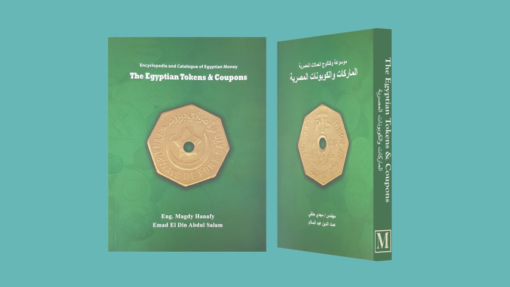
Book Introduction
The book "Egyptian Brands and Coupons" begins by defining brands or tokens. Engineer Magdy, in his book, defines a token as a piece of metal resembling currency, issued as a medium of exchange by an individual or a private or public company. A token can also be defined as a mark, an alternative to currency, or a limited-use currency used between two parties in exchange for a good, as in cafes, restaurants, and canteens, or for a service, as in trams, amusement parks, cinemas, and banks.
He also mentioned the beginning of the emergence of tokens in the world and touched on the beginning of the emergence of tokens in Egypt, and explained the methods of classifying and manufacturing tokens in Egypt, how to identify tokens, the difference between them and the circulating coin, and determining their value.
He also described the metals used in the manufacture of tokens, such as plastic, aluminum, and precious metals like silver and gold (you can find more information about tokens and tokens in the published article). Number 18 From Al-Muqtani Al-Arabi magazine, by Engineer Magdi Hanafi.
Chapter One – The Suez Canal
This chapter discusses the Suez Canal token, which is the most important and oldest token in Egypt. The token was invented when the Suez Canal was established.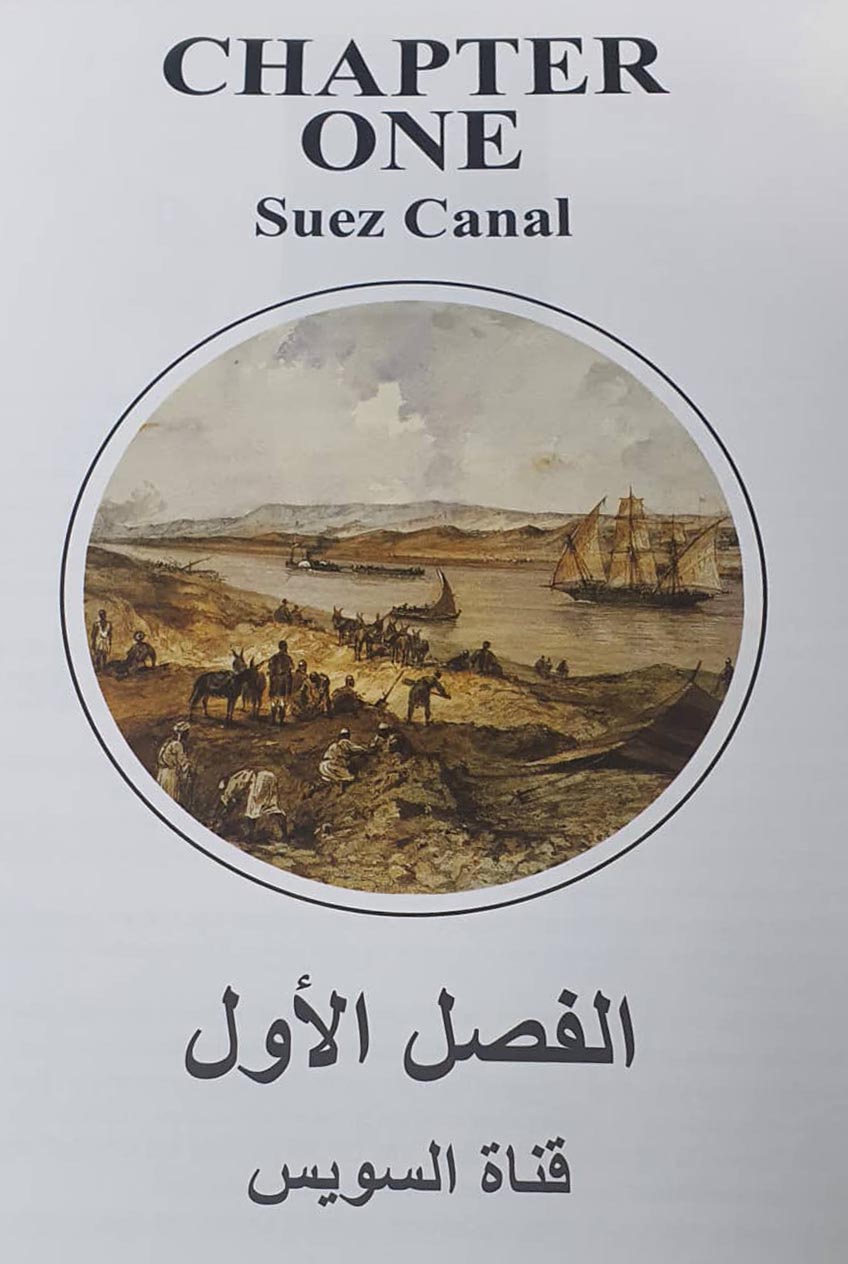 The Suez Canal Authority's food distribution system for canal workers is due to the workers' limited knowledge of how to handle money.
The tokens or marks were manufactured in France and distributed to the employees of the Suez Canal Authority in Egypt. The denominations were written on them in French, from the French franc and its smaller denominations of centimes. The first token or mark for the Suez Canal Authority was issued in 1865 and consisted of 4 different denominations.
Then another set was produced in the same year 1865 with four different categories but with a different shape, and in 1892 a third set of tokens for the Suez Canal was manufactured consisting of 6 different categories.
As for the shopping vouchers (coupons), a picture of a coupon bearing the denomination of 1 piaster was placed, which is redeemed from the cafeteria for the employees of the Suez Canal Authority.
An introduction was also written about the origin of the Suez Canal and the idea of its creation since the time of the Pharaohs, through presenting the idea to Muhammad Ali and his rejection of it, until the idea was implemented during the reign of Khedive Ismail and De Lesseps began to implement the idea.
Chapter Two – Transportation
A summary of ancient Egyptian transportation was written, covering the period from the takht-rawan and the omniscus to the railways and trams in all Egyptian cities such as Cairo, Port Said, Alexandria, and Giza.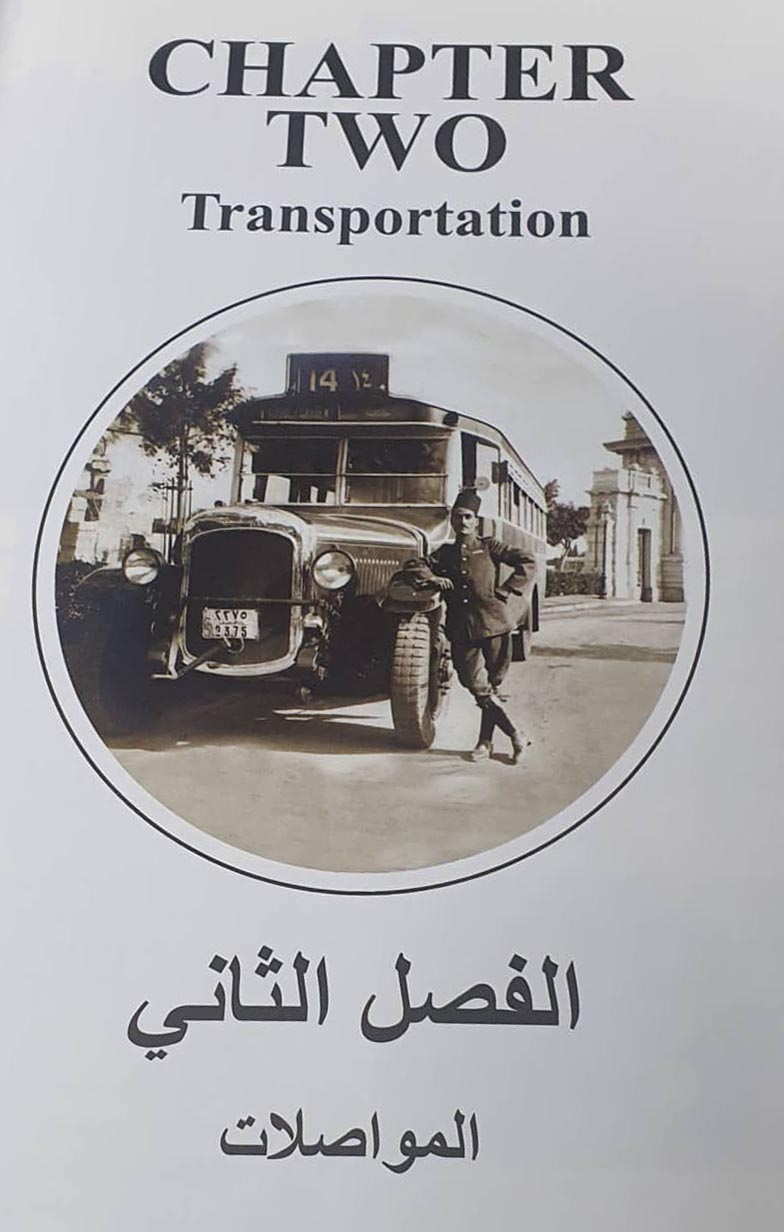 Display the token for each means of transportation used.
One of the most important tokens displayed for transportation in Egypt is the Port Said tram token, which is displayed on the cover of the encyclopedia. There is also a token called the Mansheya Market in Ramla, which is also one of the most important Egyptian brands and is dated 1863 AD. It is disputed whether it is Egyptian or Palestinian, but Magdi Hanafi considered this token to be Egyptian after he explained those reasons in his book.
After research, he concluded that in Palestine there is a market called Al-Manshiyya and there is an area called Al-Ramla, but they are two different areas and not one area. As for the city of Alexandria in Egypt, the Al-Manshiyya market is located in the Raml Station area.
It is worth noting that engineer Magdy Hanafi presented the token topic on the Arab Collector's pages in Issue number 9 Published in October 2019.
He also touched on the topic The small change crisis In transportation and the various tariffs that were used at different times and the multiple uses of tokens and coupons for the remaining change used in the Public Transport Authority in Egypt from different categories to solve the crisis for citizens.
The presentation included a 2-millime Alexandria token made of bakelite, a paper souvenir, and an aluminum token from the 1980s in denominations of 5 millimes (one bar) and 10 millimes (two bars), and how they were used in the 1980s as an alternative to currency during the small change crisis of the 1980s due to the shortage of mint production and the acceptance of citizens to deal with them.
Tickets for the Port Fouad ferry in Port Said were also introduced in different categories, and some examples of tram and bus tickets and the names of their respective lines were displayed.
Chapter Three – Cigarette Companies
In this distinguished chapter, Engineer Magdi presented the history of the cigarette industry, tobacco smoking, and the history of tobacco's introduction to Egypt in [year missing].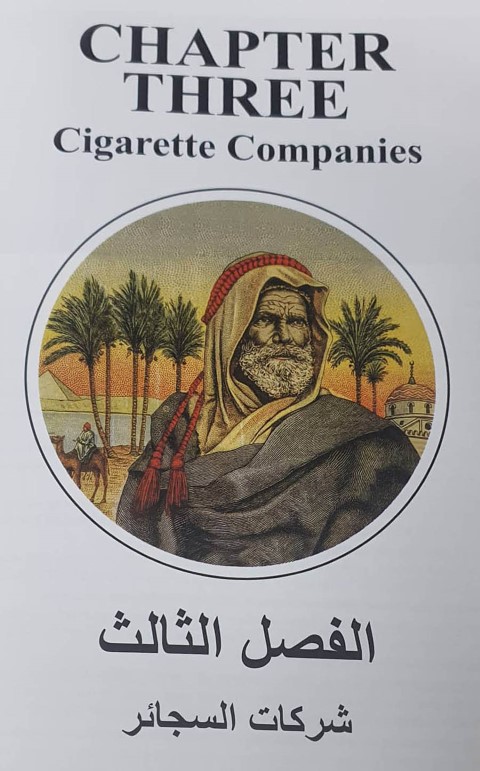 1601 AD and the development of its industry in Egypt and the emergence of manufacturing companies and tobacco cultivation in the country.
And how those companies exploited the idea of the token to promote their products after it was placed in tobacco packs to encourage the consumer to use the token in the pack to exchange it for other products that the company produces from smoking products, and to get a discount on the product that he buys regularly.
Some examples of tobacco companies were shown, such as Kiriazi Brothers - Guarantee Brand, Maspero Brothers, and the Egyptian Tobacco Company, and the token used by all those companies, whether it was made of metal or a paper coupon for discounts.
Chapter Four – Companies and Banks
Similar to the Suez Canal Company, it used Many companies have introduced the idea of tokens or marks to their employees for use during work hours to obtain [certain benefits/rewards].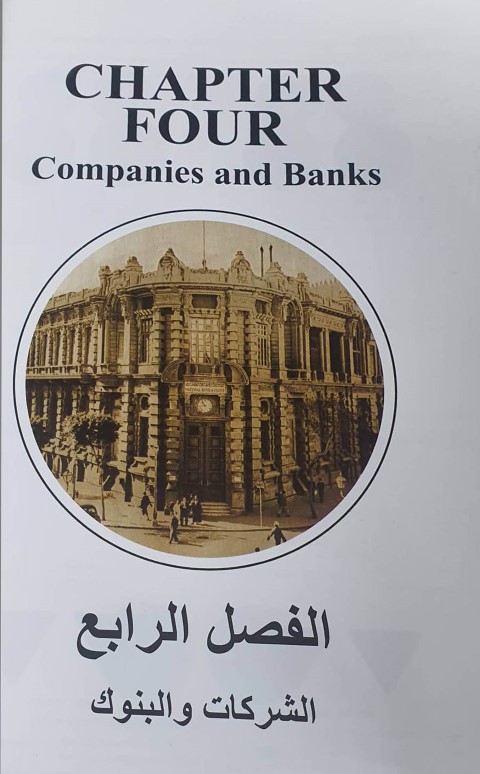 Meals or drinks from the company's restaurant or cafeteria.
Banks also used the idea of paper tokens to enforce queueing while waiting to receive service, and some of them had advertising slogans written on them.
Other chapters
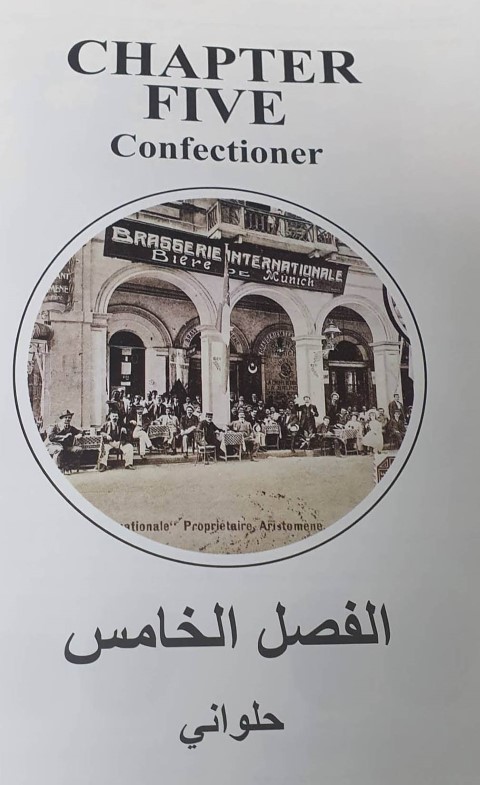
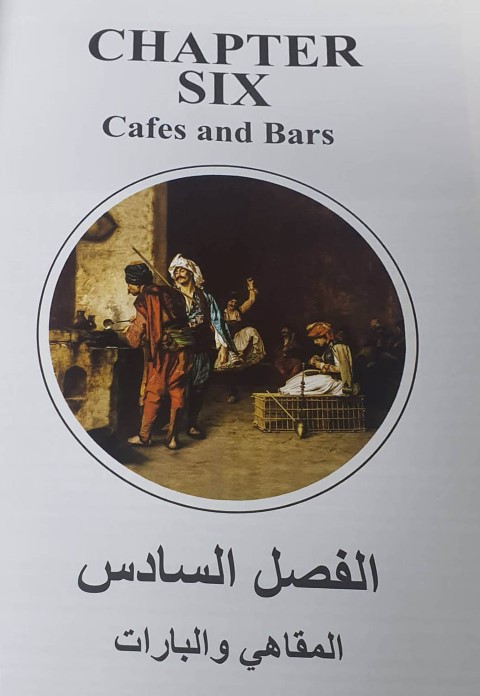
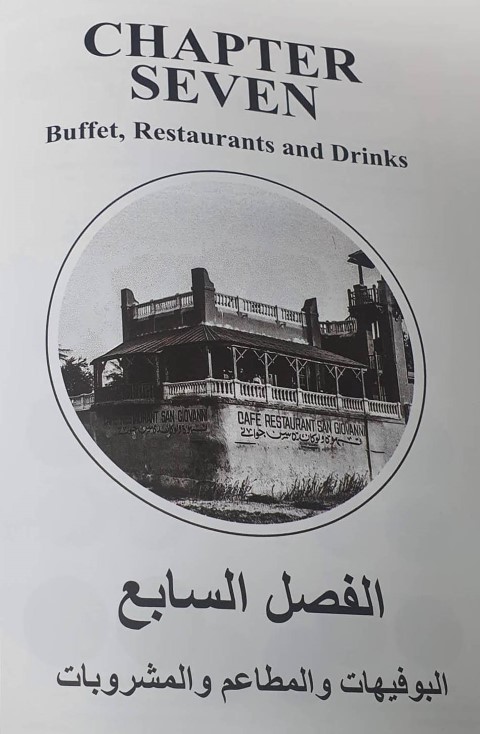
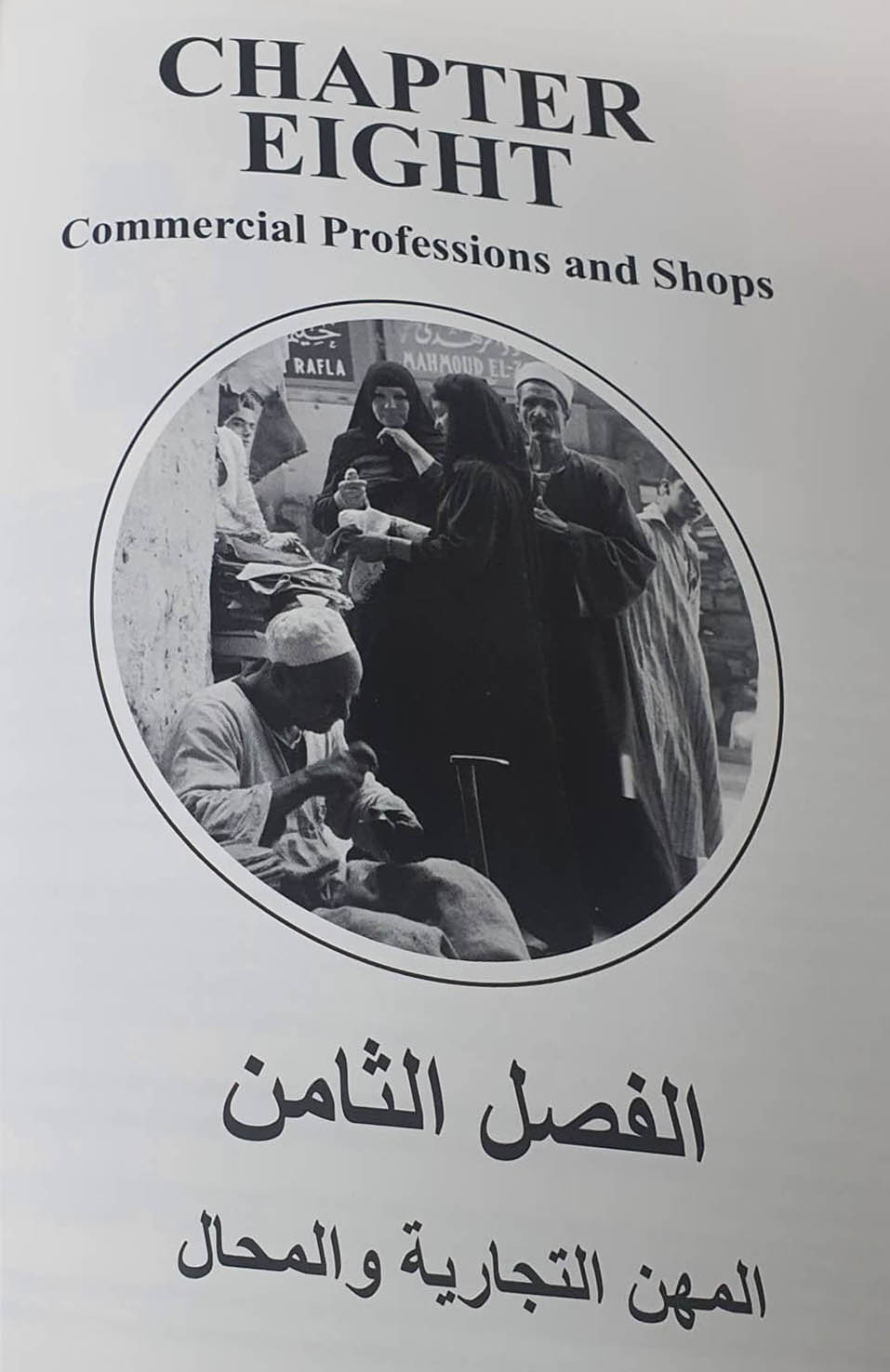
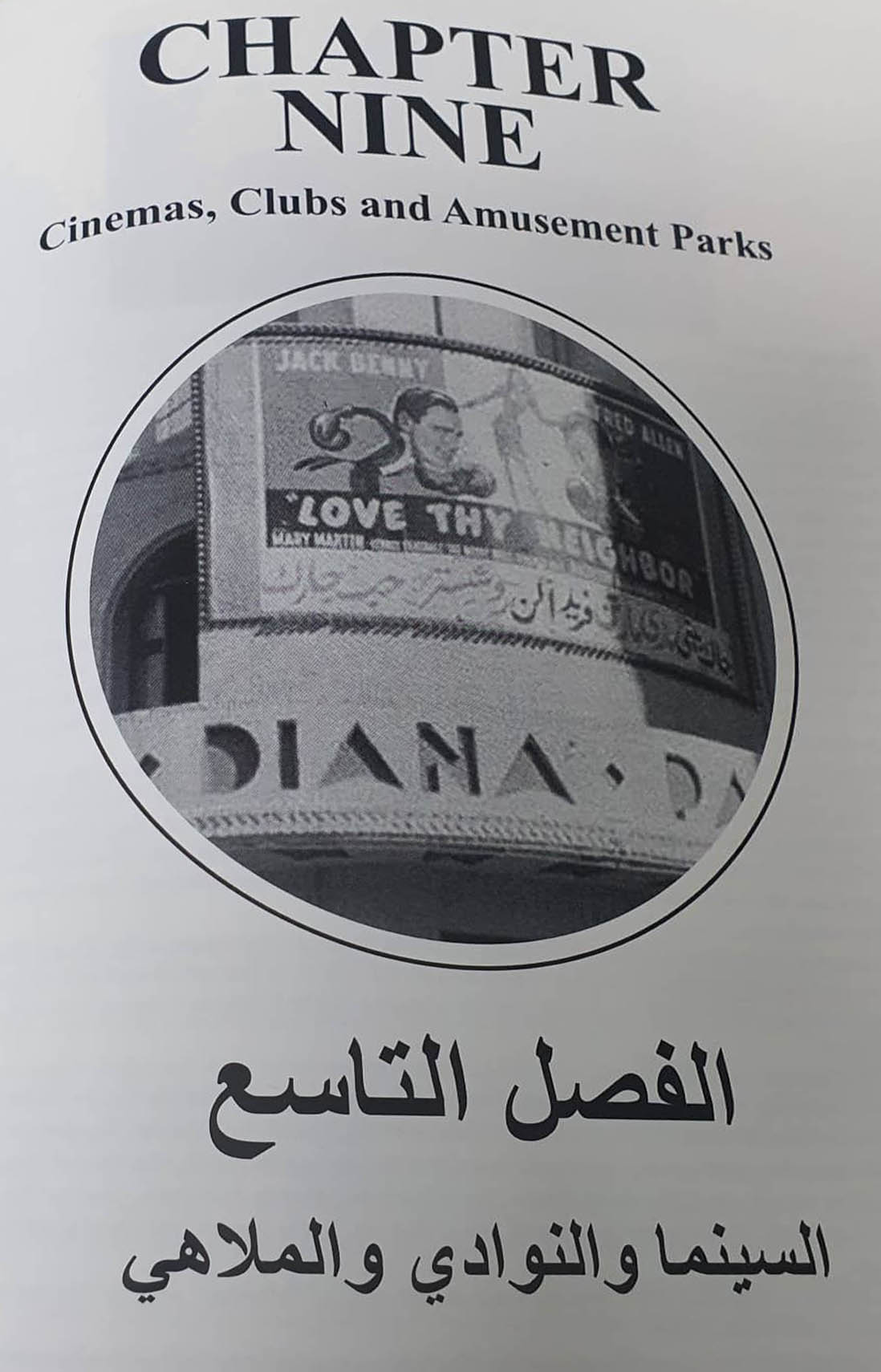
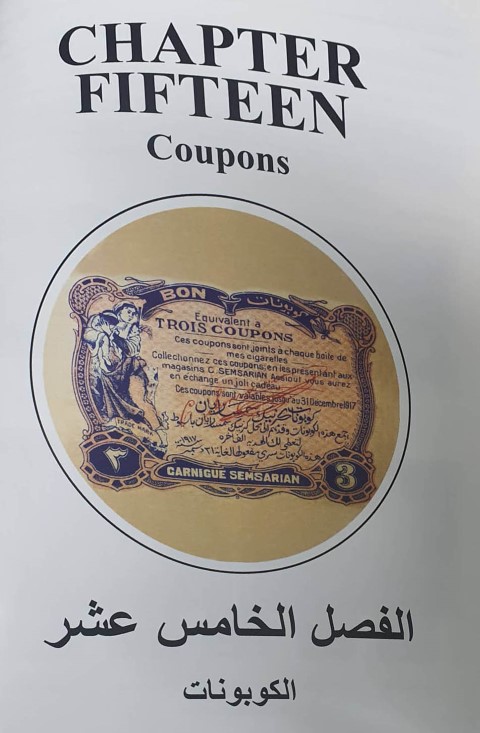
The remaining chapters of the book "Egyptian Brands and Coupons" list important information, tokens, brands, and coupons for confectionery shops in Egypt, cafes, bars, commercial professions, and shops. Examples of tokens for cinemas, clubs, and amusement parks were also presented, as well as money used as tokens. Of course, the distinctive tokens produced by goldsmiths were not overlooked, and distinctive examples of them were presented in Chapter Thirteen. Chapter Fourteen presented some commemorative medals, and finally, a whole chapter in Chapter Fifteen was dedicated to coupons.
Retail outlets
Encyclopedia and Catalog of Egyptian Money