Roman CoinsHistoryNumismatics
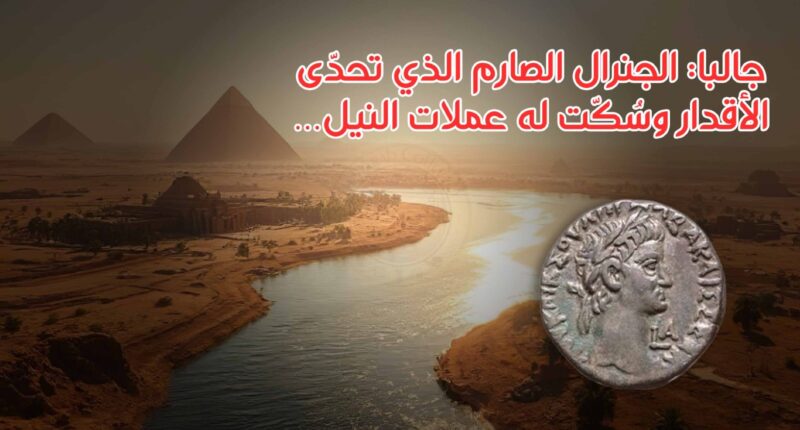
Jalba: The stern general who defied fate and for whom Nile coins were minted
In 68 AD, the Roman Empire was boiling under NeroHe had become despised throughout the state. And in the heart of Spain, Galba, the stern-faced old general, stood watching Rome's collapse with strategic coolness. He was not an ambitious young man, but a seasoned warrior who had served in every corner of the empire, from Germany to Africa.
When Nero committed suicide, he paved the way for the Year of the Four Emperors (69 AD), and was the first of them. Although his reign lasted only seven months, he left his mark, especially on the coins minted in his name in Alexandria, the capital of Roman Egypt.
Galba coins in Alexandria, between the Nile and the throne
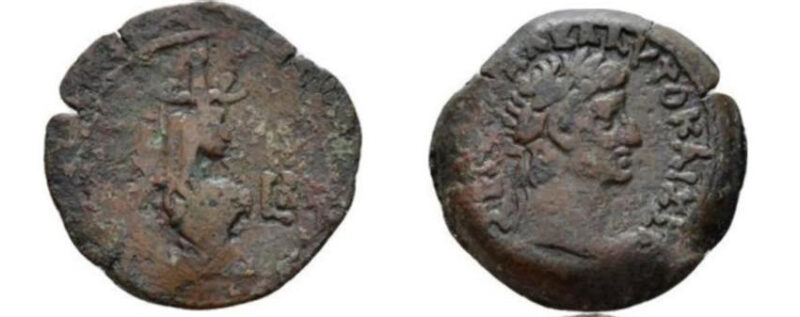
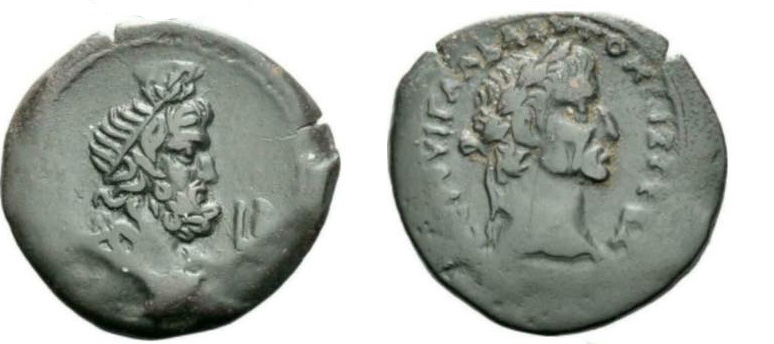
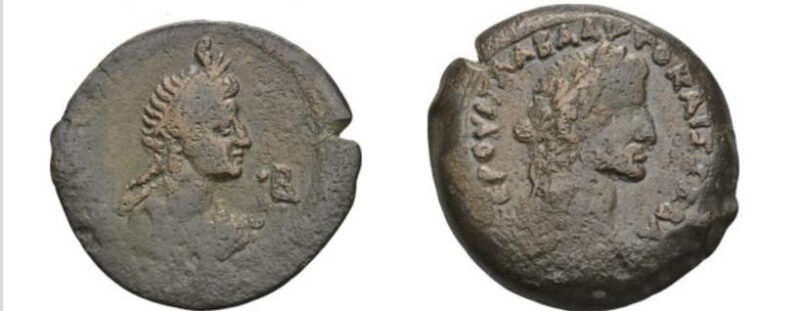
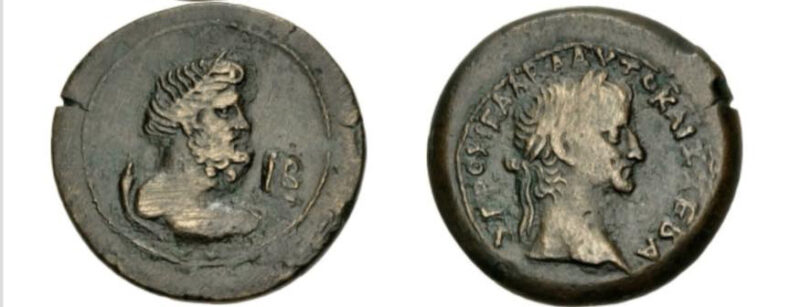
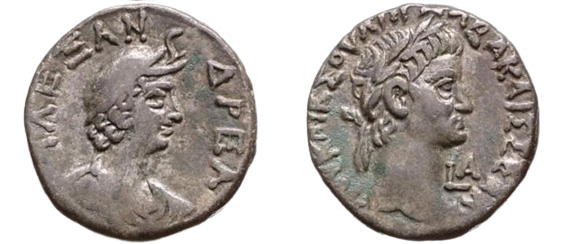
Alexandria, one of the most important coinage centers in the East, issued silver tetratrachmas and lower-value bronze coins bearing Greek inscriptions. The most distinctive feature of these coins was:
• The frontal view shows Jalpa's bare head, with sunken eyes and a prominent nose, accurately depicting his strong features.
• The reverse side often depicts ancient Egyptian gods, such as Isis, Nilus, Serapis, and even Osiris, represented by the canopic jars! .
• The inscriptions were written in Greek, reflecting the deep Hellenistic character of Egypt even under Roman rule.
Caesar of the Short Storm
Although Galba ruled for less than a year, his short tenure was full of crucial decisions, some of them fateful:
His refusal to bribe the Praetorian Guard, whom he had promised to secure the throne, deeply angered them. This act directly led to his downfall, as the Guard at that time held the power to decide the fate of emperors.
• Galba believed that the empire should be run by law and strictness, not by gifts and favoritism, which did not suit the turbulent political reality of Rome.
Amazing facts about Galba

1- He was seventy years old when he became emperor, which made him one of the oldest emperors to ascend the throne. He was an extremely wealthy man, but he was known for his extreme stinginess, to the point that it was said that his stinginess contributed to his assassination!
2- He believed in austerity and military discipline, which made him popular with the legion, but disliked by the Roman court.
3- The historian Suetonius described him as “a good fit for the empire, had he not become emperor.”
4- He adopted a young man named “Beso” as his successor, ensuring a legitimate and peaceful transfer of power, but this decision was met with anger from Otto, who aspired to rule, and who organized the plot to kill Galba in Rome’s arena.
5- He was assassinated by the forces of Otto, who succeeded him to the throne, after he lost the support of the Praetorian Guard.
6- He was killed in a tragic and humiliating way: While he was riding in his litter through the streets of Rome, angry soldiers approached him, and he shouted: “If you want my head, here it is!” His head was immediately cut off and paraded through the streets.
7- Despite his violent end, many historians considered him an example of Roman steadfastness and discipline, and he had a strong base of support among intellectuals and conservatives, even if the political reality betrayed him.
8- His busts that have come down to us today, especially those on display at the Louvre Museum, show a stern face, a furrowed brow, and eyes that gaze sternly, perfectly reflecting his disciplined and uncompromising personality.
Conclusion: Bringing together severity and bloodshed
Despite his short reign, Galba remains a symbol of one of the most important lessons of Roman history: that virtue alone is not enough to govern an empire driven by intrigue and force. He was a skilled military leader, strict in his pursuit of justice, but Roman politics was too volatile to accommodate his radical reforms.
For more similar topics, you can browse the Arab collector's website through the Link the next: