Ancient CoinsArabic CoinsIslamic CoinsHistoryNumismatics
Assassin coins
Over a year ago I wrote an article about currencies Assassins I didn't publish it because there was a particular dinar for which I searched extensively for a clear image but couldn't find one. I could have been content with the poor image I had, in addition to images of other common dinars, but fortunately I preferred to postpone the article until a clear image appeared. Now I remembered this article and reviewed it to discover how hasty I was in my conclusions! And how reckless I was in asserting what shouldn't be asserted! And how much I underestimated my ignorance and was arrogant about my knowledge!
In general, the old article must be buried, and I will leave the Assassins in Alamut to return to the history of the first Nizari state through dinars.
Where was she, I wonder?
Soon, God willing, the coins will tell us another forgotten story.
Assassin coins
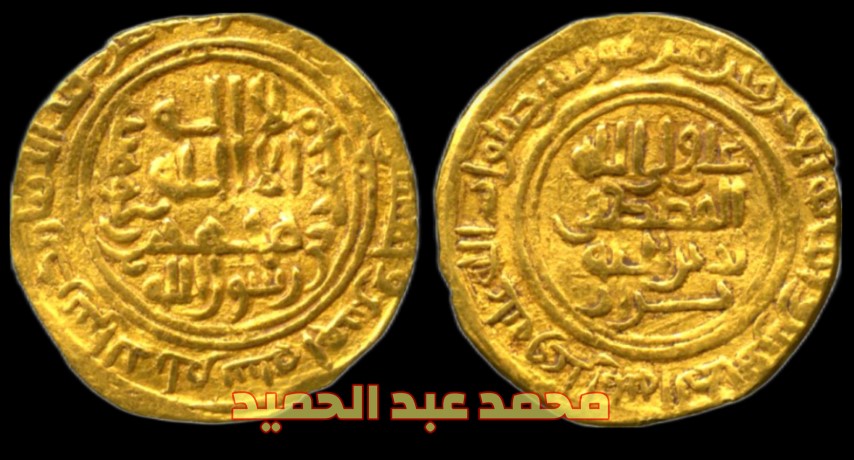
* The coin shown in the picture is a dinar – or perhaps a quarter dinar – of the Assassins, minted in “Kursi al-Daylam” in the year 555 AH, and it bears the name of “Muhammad ibn Buzurkumid,” the third lord of Alamut and the first to be mentioned on the coinage, according to what has reached us. It has been written inside a circle in the center of the reverse:
Ali Wali Allah
Al-Mustafa
For the religion of God
Nizar
It is worth noting that the Assassins were a Nizari Ismaili Shiite sect that broke away from the Fatimid Caliphate in the late 5th century AH/11th century CE to advocate for the imamate of Nizar al-Mustafa li-Din Allah and his descendants. They were prominent between the 5th and 7th centuries AH (11th and 13th centuries CE), with their main strongholds in Persia and the Levant after some of them migrated there from Iran. The sect was founded by Hassan ibn Sabbah, who established his center of operations at Alamut Castle in Persia to spread his teachings and consolidate his power.
For more similar topics, you can browse the Arab collector's website through the Link the next: