100 years since Egypt's independence
What were the political circumstances surrounding Egypt's independence? And how did this affect hobbies?
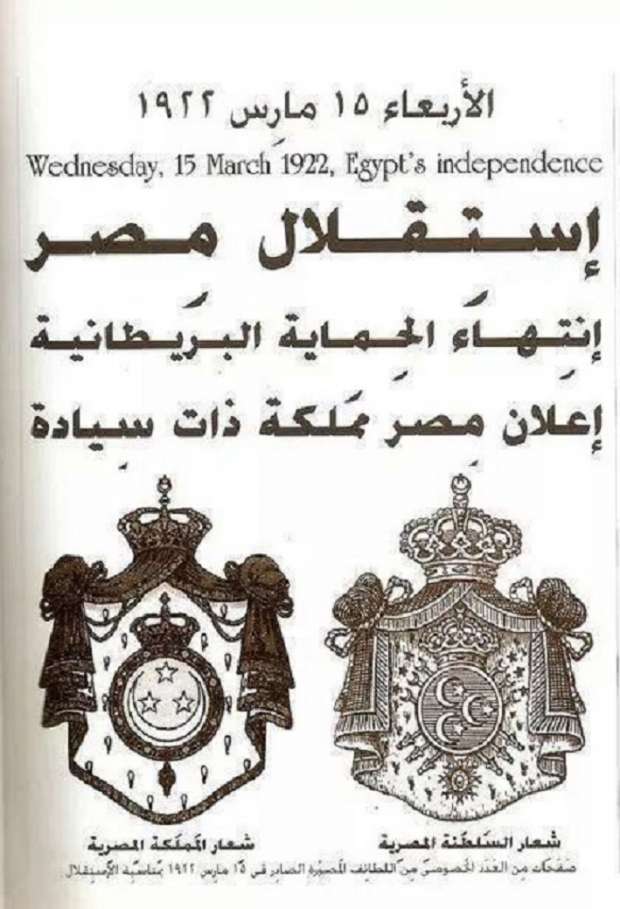
Historical background
 Today marks the centenary of Egypt's declaration of independence from the British protectorate, which was imposed on Egypt on December 18, 1914, following the outbreak of World War I and the declaration of the establishment of the United Kingdom. Kingdom of EgyptAfter the war ended, some nationalist movements emerged on the Egyptian scene, calling for an end to British protection and the declaration of Egypt as an independent state.
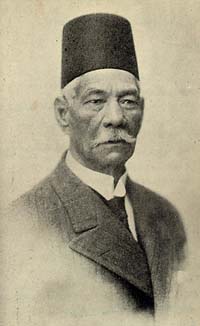
The most prominent of these movements was a series of popular protests against British policy, led by the Egyptian delegation headed by Saad Zaghloul and a large group of Egyptian politicians, which later became known as the 1919 Revolution. This sparked resistance movements against British soldiers stationed in camps in Egypt.
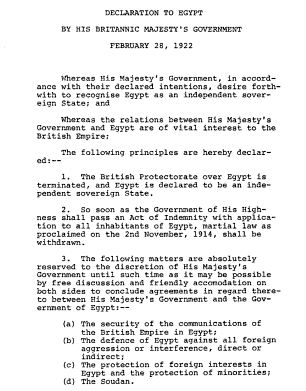
After numerous negotiations between the Egyptian and British governments, on February 28, 1922, Lord Allenby returned to Cairo carrying the declaration entitled “Declaration to Egypt,” which included the termination of the protectorate and the declaration of Egypt as an independent and sovereign state. Britain left some matters unchanged until an agreement was reached on them, namely: securing the communications of the British Empire; defending Egypt from all foreign interference; protecting foreign interests in Egypt and protecting minorities; and the Sudanese question.
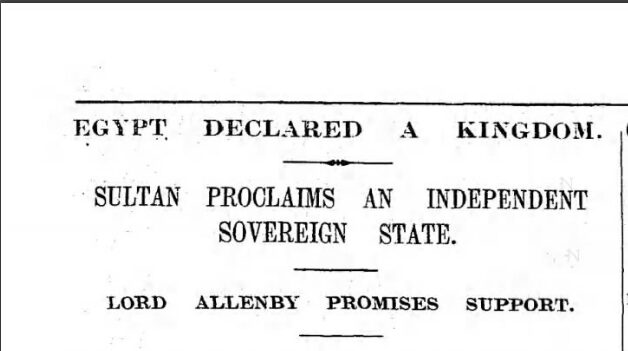
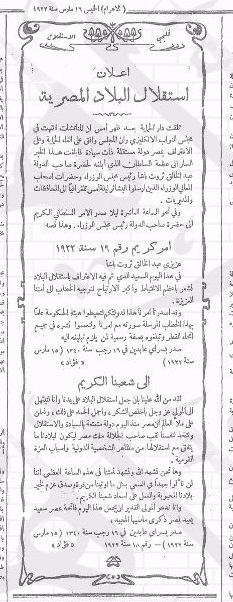
On March 15, Sultan Fuad I declared Egypt’s independence and took the title of King of Egypt. Abdel Khaleq Tharwat’s ministry was formed, and the day was considered a national holiday. The way was paved for the drafting and ratification of an Egyptian constitution, and a royal decree was issued on April 19, 1923, declaring Fuad King of Egypt, Sudan, and Lord of Nubia, Kordofan, and Darfur.
Postage stamps
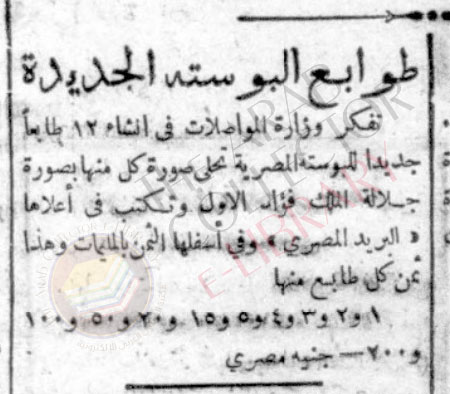
Egypt immediately began preparing a set of postage stamps to commemorate and document the event. The Ministry of Transportation proposed placing King Fuad's image on the stamps, inscribing them with "Egyptian Post" at the top and the price in millimes at the bottom. The denominations to be issued were 1, 2, 3, 4, 5, 15, 20, 50, 100, 200, and one Egyptian pound, according to a report published in Al-Ahram newspaper on August 3, 1922.
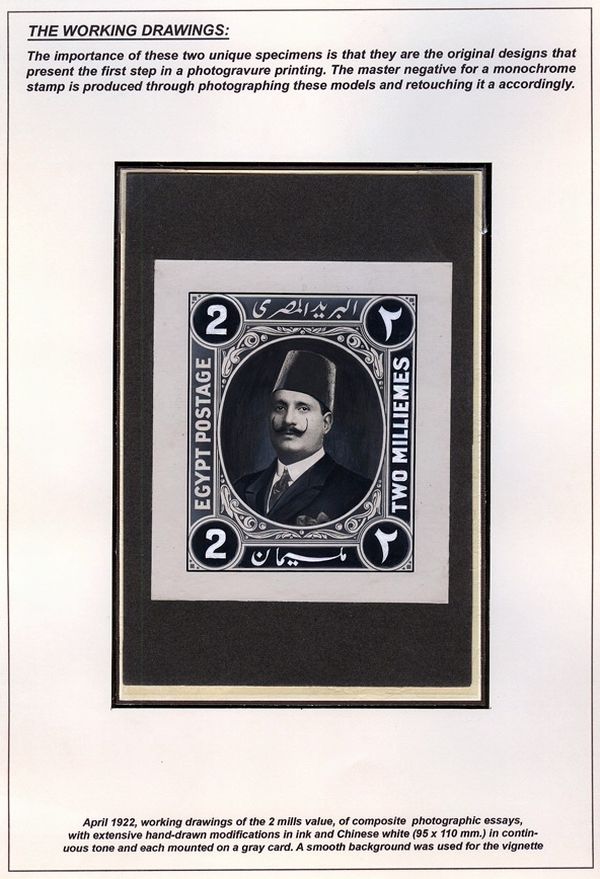
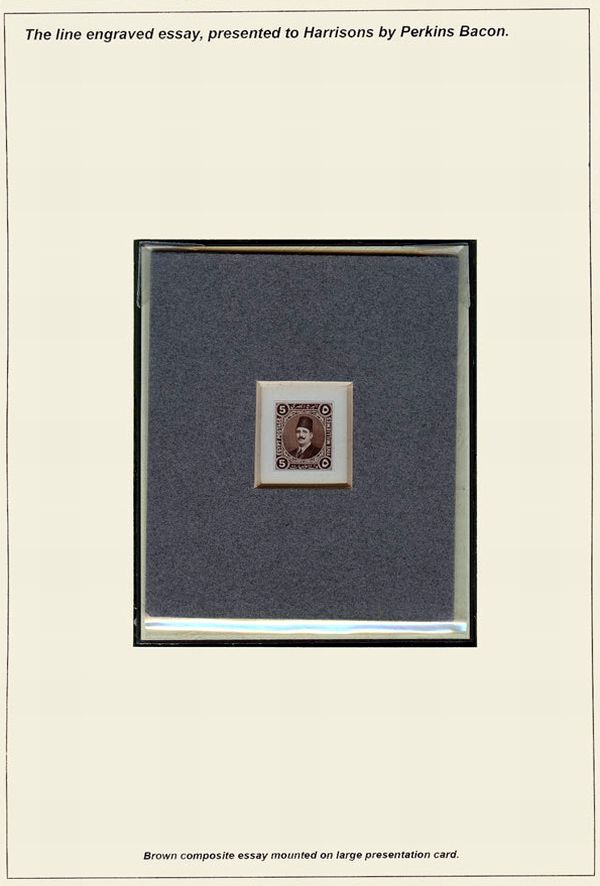
Various designs from that collection were later exhibited, and currently, a number of stamp collectors own large portions of the experimental collection of initial stamp designs. Parts of these designs are displayed at international stamp exhibitions, such as the designs shown below from the collection of Professor Hani Salam.
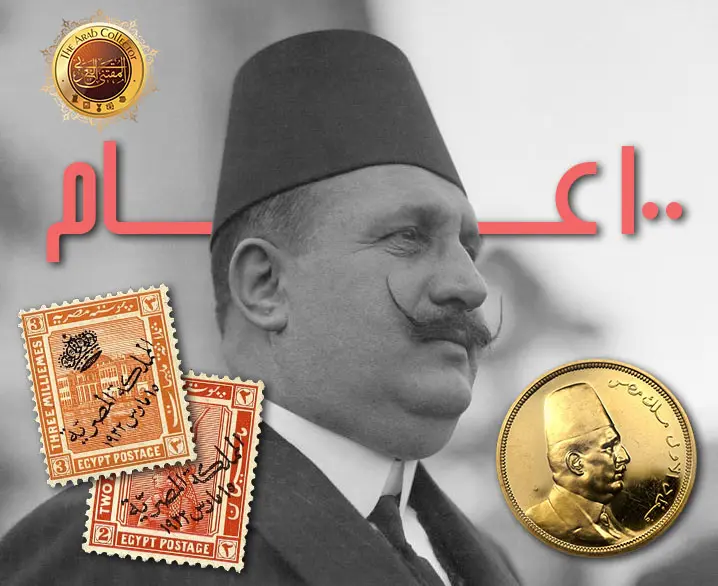
However, in October of the same year, the Egyptian Postal Authority announced that, since the printing of the stamps had not been completed up to that date, the Egyptian government decided to display the name of the Egyptian state on the existing stamps, so it printed on them a picture of the crown and below it the following words: ”The Kingdom of Egypt – March 15, 1922”, and began distributing them starting from October 9, 1922, on the occasion of the anniversary of the King’s accession, and the public began using them.
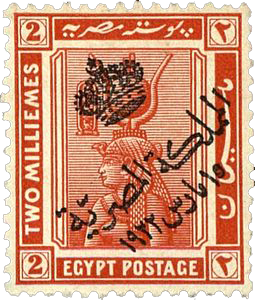
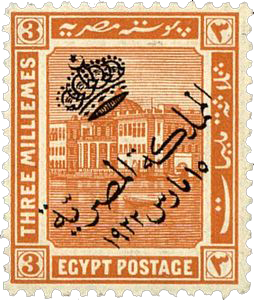
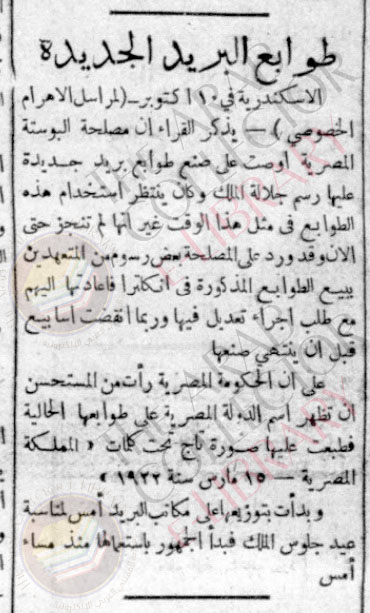
gold coins
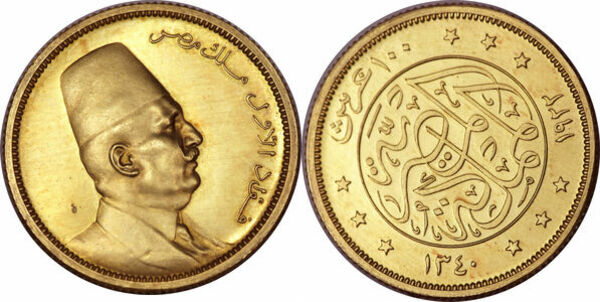
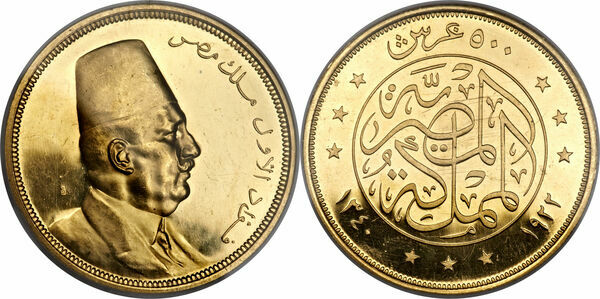
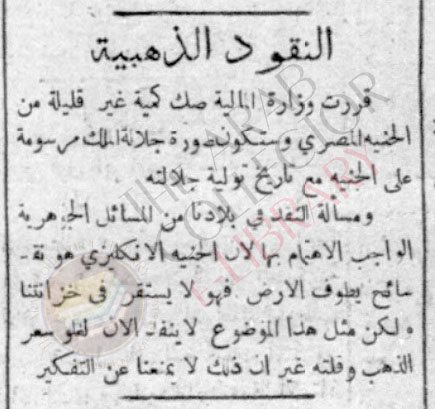
On the occasion of King Fuad’s accession to the throne on the occasion of Egypt’s independence, the Egyptian government decided to mint a number of gold coins of the one pound and five pounds denominations for this occasion, known as the first Egyptian commemorative coins that date the history of Egypt’s independence.
It featured a picture of King Fuad wearing the royal suit and looking to the right, and on the back were placed the Gregorian date 1922 and the Hijri date 1340.
Sources:
Al-Ahram newspaper archive
Arab Collector e-Library
Wikipedia website
Various sites
For more similar topics, you can browse the Arab collector's website. the Link the next:
Currency of the Year 2022 Competition