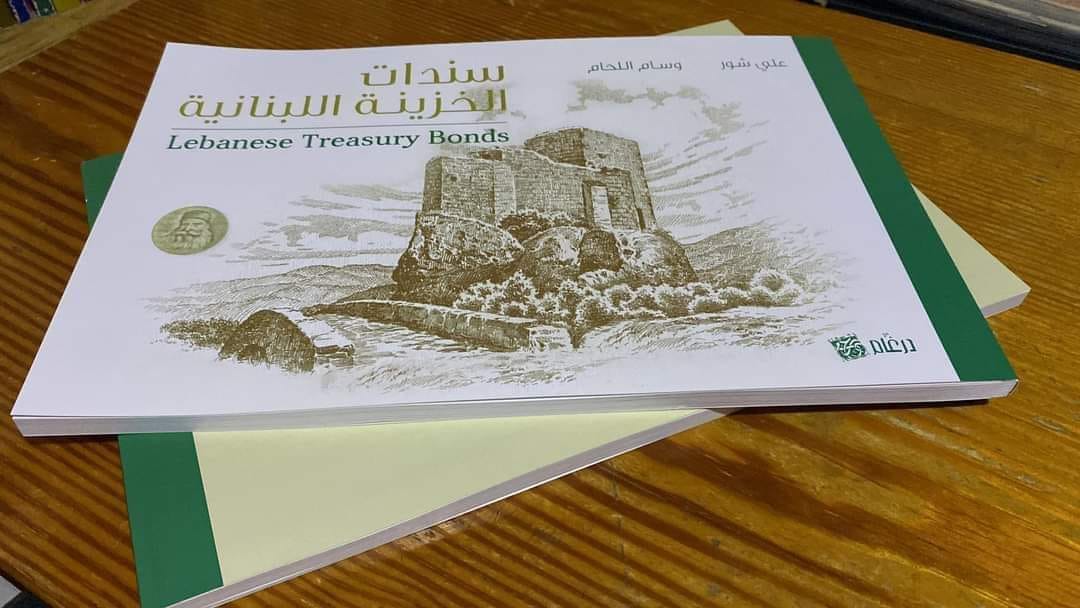
Lebanese Treasury Bonds Book
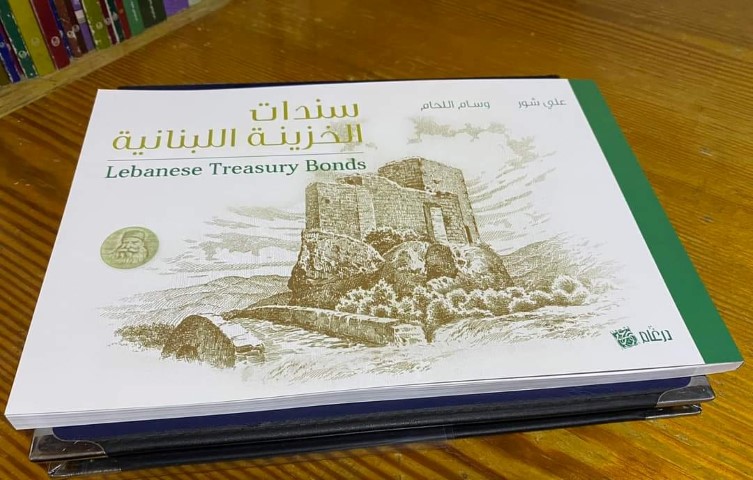
On January 31, 2023, Mr. Wissam Lahham and Mr. Ali Shour announced the release of a book entitled “Lebanese Treasury Bonds.” This book tells the story of how the Lebanese government raised funds through the sale of bonds.
The bonds known as “treasury bonds” date back to ancient times, when rulers borrowed money from bankers to help finance their governments. These bonds have become a symbol of Lebanon’s economic collapse due to the debt accumulated over many years. This book explores the physical history of treasury bonds, a topic often overlooked by researchers in the field.
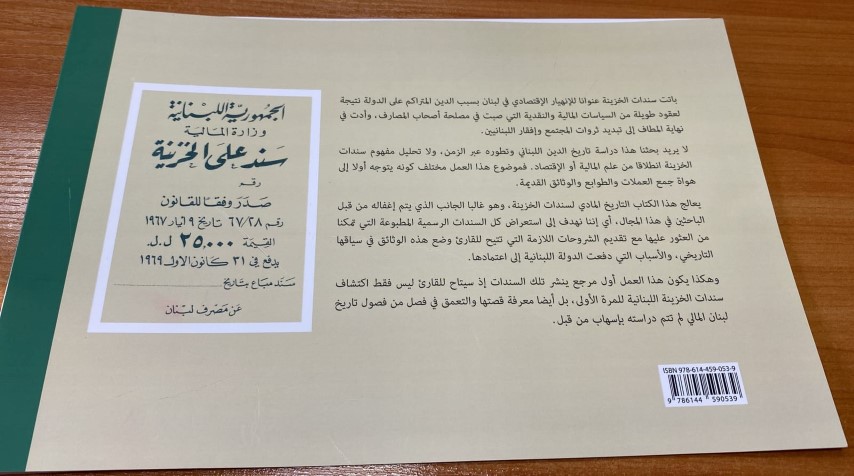
This book is a compilation of treasury bonds issued in 1949, 1967, and 1969, along with previously unseen images of Lebanese bonds. The book also provides a detailed introduction explaining the history behind these bonds.
The book contains 104 pages, each featuring a large image of a bond. A table of all known bond numbers from 1949 is also included. This allows you to determine the value of each bond, depending on its rarity.
This may help make your hobby more enjoyable and useful for researchers, as it contributes to understanding a neglected aspect of Lebanon’s financial history.
History of Lebanese Treasury Bonds
When Lebanon signed a monetary agreement with France in 1948, the country's currency became independent of the French franc. The agreement stipulated that the Lebanese pound would be worth 20 French francs. After the agreement, the pound's value was based on its gold content. During the French Mandate, the pound was worth 512 French francs, and after the agreement, it was decided that the pound was equal to 405 milligrams of gold. In other words, the Lebanese currency was pegged to gold.
The Lebanese currency, separate from both France and Syria, was officially liberalized on May 24, 1949. This was done to help strengthen economic independence between the two countries and increase the value of the Lebanese currency. The Lebanese currency is now backed by gold (coins and bullion) and treasury bonds.
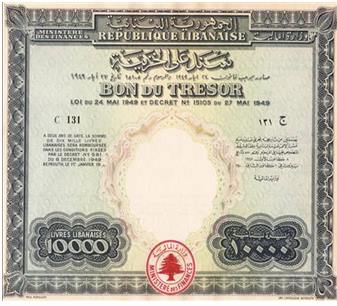
President Bechara El Khoury issued a decree authorizing the Ministry of Finance to issue treasury bonds. Article 1 of the decree stipulated that the bonds could be issued in the following denominations: 1,000 Lebanese pounds, 5,000 Lebanese pounds, 10,000 Lebanese pounds, 50,000 Lebanese pounds, 100,000 Lebanese pounds, and 500,000 Lebanese pounds. The decree also stipulated that the bonds could mature after one year with an interest rate of 1%, or after two years with an interest rate of 1.5%.
Lebanon has held a treasury of bonds since its first independence. One of the designers of these bonds was a Russian artist named Paul Korolev (as pictured), and these bonds were printed at the Catholic Press. (Quoted from a post by Mr./ Ahmed Haroun)
Information about the authors
Welder's Medal
Born in 1987, he is a professor at the Institute of Political Science at Saint Joseph University. He has published several works on the subject.
Constitutional law and the history of political thought
Ali Shour
Born on April 18, 1981 in Abidjan, Ivory Coast. Holds a Master's degree in Civil Engineering from the Lebanese University.
Author of the book Professional Catalogue of Lebanese Banknotes.
You can now purchase the book directly from Dar Dargham via the following link: www.dergham.com
For more similar topics, you can browse the Arab collector's website. the Link the next:
A currency with a history | The Lebanese lira
A commemorative stamp for the Louvre Abu Dhabi